
Northumbria — medieval kingdom of northern Britain
Northumbria was a powerful early medieval Anglian kingdom in northern England and southeast Scotland, noted for its church scholarship, shifting borders, Viking impact, and later integration into England.
Overview
The Kingdom of Northumbria was an early medieval polity formed by Anglian peoples. Its name comes from Old English and means the territory north of the River Humber. At its height it covered parts of what are now northern England and south‑east Scotland, and it played a central role in the conversion to Christianity and in the cultural life of early medieval Britain.
Image gallery
9 Images



Geography and political structure
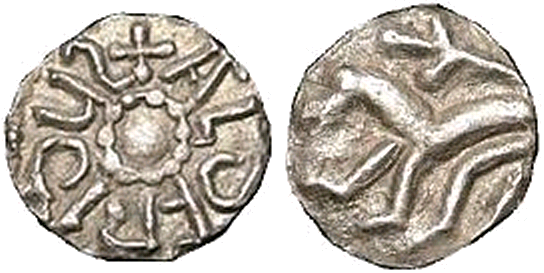
Northumbria was created from two earlier principalities, traditionally called Bernicia in the north and Deira in the south. Its important centers included the royal stronghold at Bamburgh (for Bernicia) and the city of York (often a political and ecclesiastical hub for Deira). Over time the kingdom's borders shifted under pressure from neighbouring powers, internal rivalries, and Scandinavian invaders. After the Viking period it came to be held sometimes as an earldom under the rulers of the wider Kingdom of England.
History and development
Northumbria emerged in the 6th–7th centuries as Anglian groups consolidated control. Several kings won lasting reputations for warfare, lawgiving and patronage of the church. Christian missionaries and monasteries established important religious centres that became sites of learning and manuscript production. Viking raids in the late 8th and 9th centuries altered the political landscape: Norse settlers conquered parts of the region and established new ruling centres. In the later Anglo‑Saxon period Northumbria's independence was reduced as southern kings extended authority northwards.
Culture, religion and learning
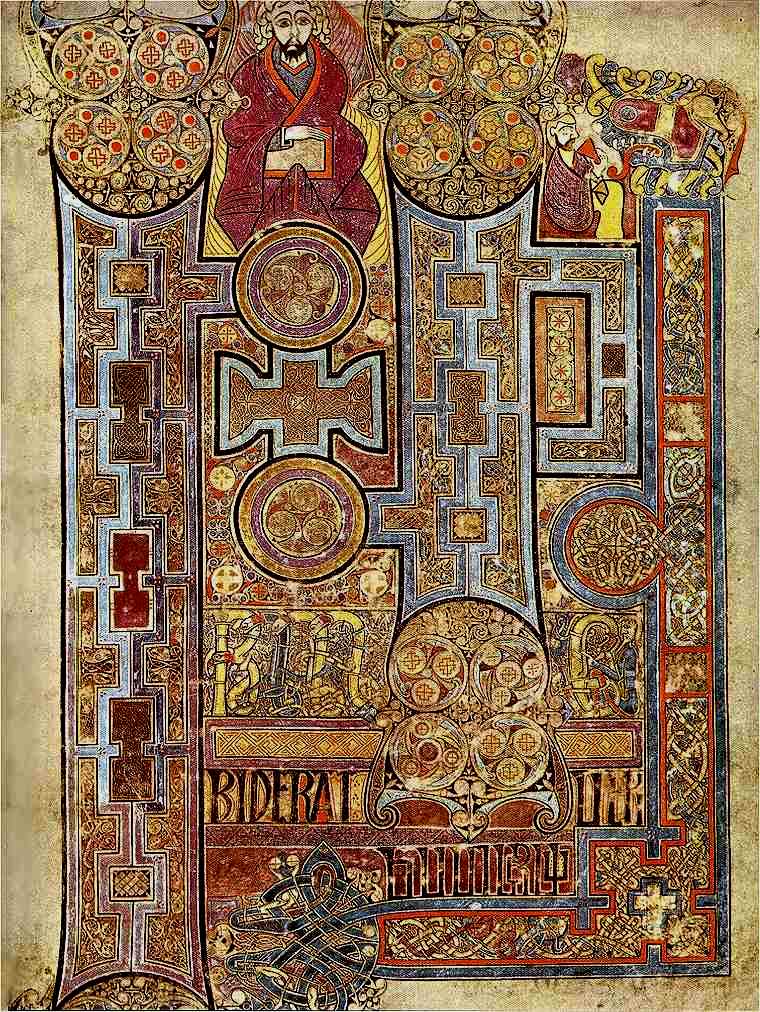
Northumbria was a major cultural and intellectual centre of early medieval Britain. Monasteries produced celebrated works of art and scholarship, and clergy from the region influenced Christian practice across the British Isles. The area is associated with important early medieval figures and artifacts that illustrate a distinctive fusion of insular, Germanic and Roman traditions.
Notable figures and legacies
- Royal leaders: several kings of Northumbria are remembered for consolidating territory and promoting the church.
- Clerical scholars: monastic communities fostered learning and manuscript illumination.
- Viking impact: Scandinavian settlement created new political arrangements and urban centres, particularly around York.
Why Northumbria matters
As an early medieval kingdom, Northumbria shaped the religious map of northern Britain, contributed to the literary and artistic achievements of the period, and served as a frontier between competing cultural and political spheres. Its story illustrates the fluidity of borders and identities in the early Middle Ages and the way regional powers were absorbed into larger medieval states dominated by Anglo‑Saxon and later English institutions.
For further introductions and sources, consult general works on early medieval Britain and specialised studies of the monastic and Viking periods (see Anglian history, regional archaeology and historic place studies) and regional surveys of Northumbrian archaeology and art. Local place histories and museum collections preserve many of the artefacts and manuscripts tied to this period of northern Britain’s past (earldom records and charters are useful starting points).
Research into Northumbria continues to refine our understanding of how early medieval kingdoms formed, interacted and transformed into the political map familiar in later medieval Britain. Archaeological discoveries and manuscript studies keep contributing to the picture of a dynamic, culturally rich region north of the Humber.
Questions and answers
Q: What was the Kingdom of Northumbria?
A: The Kingdom of Northumbria was a medieval kingdom of the Angles in northern England and southeast Scotland.
Q: What is the Old English name for the Kingdom of Northumbria?
A: The Old English name for the Kingdom of Northumbria was Norþhymbra rīce.
Q: What happened to the Kingdom of Northumbria later in its history?
A: The Kingdom of Northumbria later became an earldom in the Anglo-Saxon Kingdom of England.
Q: What does the name Northumbria reflect?
A: The name Northumbria reflects the southern limit to the kingdom's territory, the River Humber.
Q: When did the Kingdom of Northumbria exist?
A: The Kingdom of Northumbria existed during the medieval period.
Q: Where was the Kingdom of Northumbria located?
A: The Kingdom of Northumbria was located in what is now northern England and southeast Scotland.
Q: Who were the inhabitants of the Kingdom of Northumbria?
A: The inhabitants of the Kingdom of Northumbria were the Angles.
Related articles
Author
AlegsaOnline.com Northumbria — medieval kingdom of northern Britain Leandro Alegsa
URL: https://en.alegsaonline.com/art/71077