
Northern pike (Esox lucius): biology, range, and human interactions
Overview of the Northern pike (Esox lucius): appearance, distribution, behavior, ecological role, angling significance and management across its Holarctic range.
Overview
The Northern pike (Esox lucius) is a widely distributed freshwater predator known for its elongated body, sharp teeth and ambush hunting style. Often called pike, northern, jack or the "water wolf," it is the best-known member of the pike family and a popular species for recreational angling. Its combination of aggression, size and striking markings make it a conspicuous component of many temperate and subarctic freshwater systems.
Image gallery
10 Images


Identification and biology
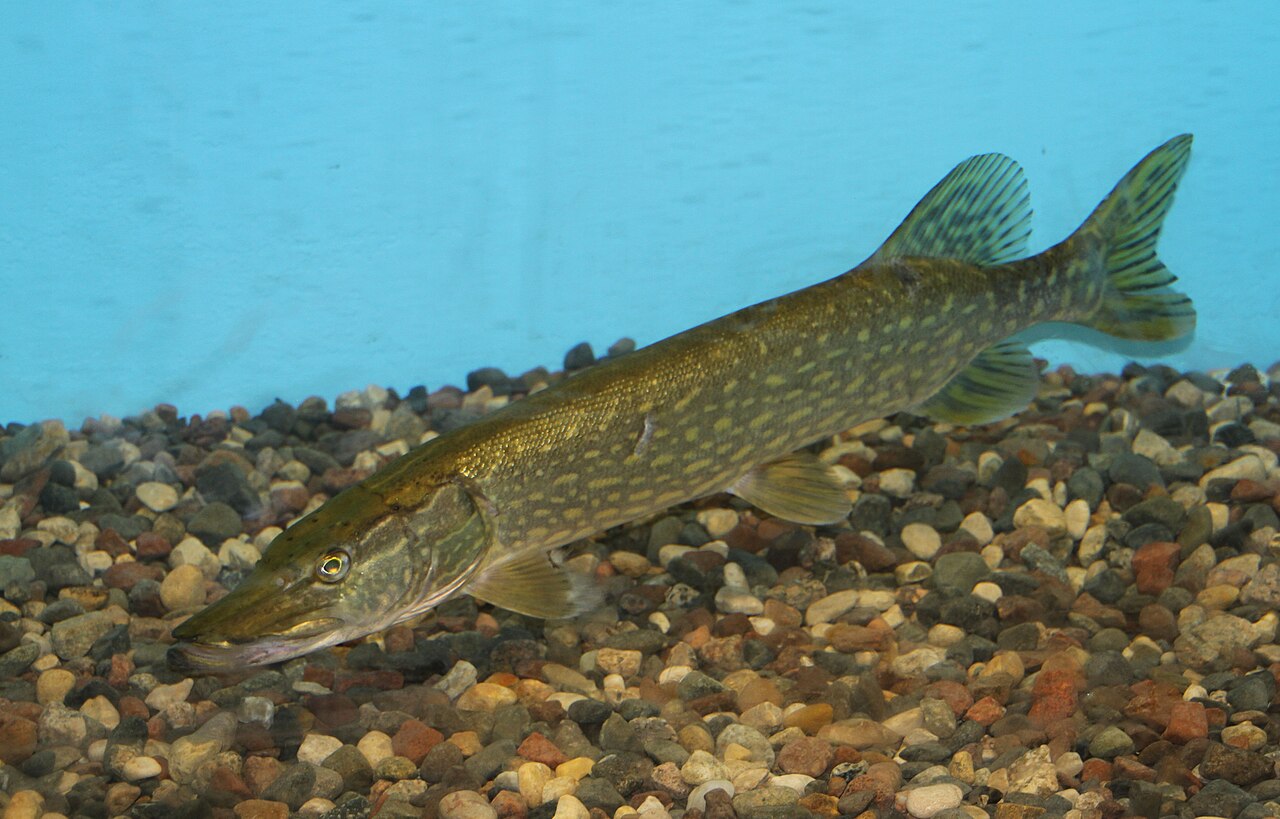
Northern pike are characterized by a long, torpedo-shaped head and body, a flattened snout and numerous needle-like teeth. Coloration typically consists of green to gray backgrounds with lighter, irregular vertical or horizontal markings, though patterning can vary by population and habitat. Key life-history traits include:
- Ambush predation using cover and sudden bursts of speed.
- Carnivorous diet composed mainly of fish, but also amphibians, small mammals and birds when available.
- Cold-water preference with seasonal activity patterns tied to temperature and daylight.
- Variable growth rates influenced by prey availability and population density.
Distribution and habitat
Northern pike have a Holarctic distribution. They are native in parts of North America, including regions of Alaska, much of Canada and the freshwater lakes and rivers of the Upper Midwestern United States. Their range also extends across much of Northern Europe and large areas of Asia. Within these areas they occupy a variety of lentic and slow-flowing lotic habitats, favoring vegetated shallows, weedbeds, submerged logs and channel margins where they can hide and strike.
Ecological role and population dynamics
As apex or near-apex predators in many freshwater systems, Northern pike influence fish community structure and trophic interactions. Because they are efficient consumers of smaller fishes, their presence can control prey populations but may also lead to effects such as reduced growth or stunting if prey are scarce or pike are overly abundant. Managers and ecologists often monitor pike numbers to maintain balanced fish communities and to prevent negative impacts on native species.
Human interactions: angling, culture and management
Northern pike are prized by anglers for their fighting ability and size, and they feature in recreational fisheries, catch-and-release programs and some subsistence fisheries. Their aggressive nature makes them responsive to a variety of lures, flies and bait techniques. However, anglers and managers must consider responsible practices: selective harvest, size limits and attention to invasive introductions. In some regions, pike have been introduced outside their native range, sometimes disrupting local ecosystems.
- Angling tips: fish near structure, use strong leaders and be prepared for sudden strikes.
- Management concerns: monitor for overpopulation, habitat degradation and nonnative introductions.
Notable facts and distinctions
Though commonly grouped with other pike species, Northern pike can be distinguished from relatives by their broad geographic reach and certain morphological traits. They are cold-water specialists compared with some close relatives and are often the largest and most ecologically influential pike in a given lake or river. The species' widespread distribution, cultural prominence in angling communities and its role as a freshwater predator make it a subject of ongoing ecological and fisheries research.
For region-specific information, consult authoritative resources on local fisheries and conservation: genus overview, North American range, Alaska, Canada, Upper Midwest, United States, species range notes, Northern Europe, Asia and population management.
Questions and answers
Q: What is the Northern pike?
A: The Northern pike is a freshwater game fish and the second largest member of the Esox (Pike) family.
Q: What are some nicknames for the Northern pike?
A: The Northern pike has several nicknames, such as 'Northern', 'Great northern pike', 'Pike', and 'Jack'.
Q: What does the name 'Northern pike' mean?
A: The name 'Northern pike' literally means 'water wolf'.
Q: Where are Northern pikes native to?
A: Northern pikes are native to Alaska, Canada, the Upper Midwestern United States, Northern Europe, and Asia.
Q: What kind of environment do Northern pikes do best in?
A: Northern pikes do best in deep lakes as they are a cold water fish.
Q: What do Northern pikes eat?
A: Northerns are voracious feeders that require large supplies of fish for steady growth.
Q: What happens to Northern pikes if they are overpopulated in a body of water?
A: If Northern pikes are overpopulated in a body of water, their growth rate is often stunted.
Related articles
Author
AlegsaOnline.com Northern pike (Esox lucius): biology, range, and human interactions Leandro Alegsa
URL: https://en.alegsaonline.com/art/71048
Sources
- dnr.state.mn.us : "Northern pike"
- dnr.state.mn.us : "Muskellunge"
- michigan.gov : "Northern Pike"
- dnr.state.mn.us : "Northern pike management"
- greatpikefishing.com : "Fishing for Pike and their natural habitat"