
North Sulawesi (Sulawesi Utara): geography, history and culture
North Sulawesi is an Indonesian province on the Minahasa Peninsula known for volcanic landscapes, rich colonial history, distinctive Minahasan culture, marine biodiversity and growing tourism around Manado and Bunaken.
Overview
North Sulawesi (Indonesian: Sulawesi Utara) is a province at the northeastern tip of the island of Sulawesi. Its territory sits on the Minahasa Peninsula (Minahasa Peninsula) and faces international waters and neighbours: it lies south of the Philippines and southeast of Sabah in Malaysia. The provincial capital and largest city is Manado, a regional centre for administration, commerce and transport. Other important urban centres include Tomohon and Bitung.
Image gallery
10 Images
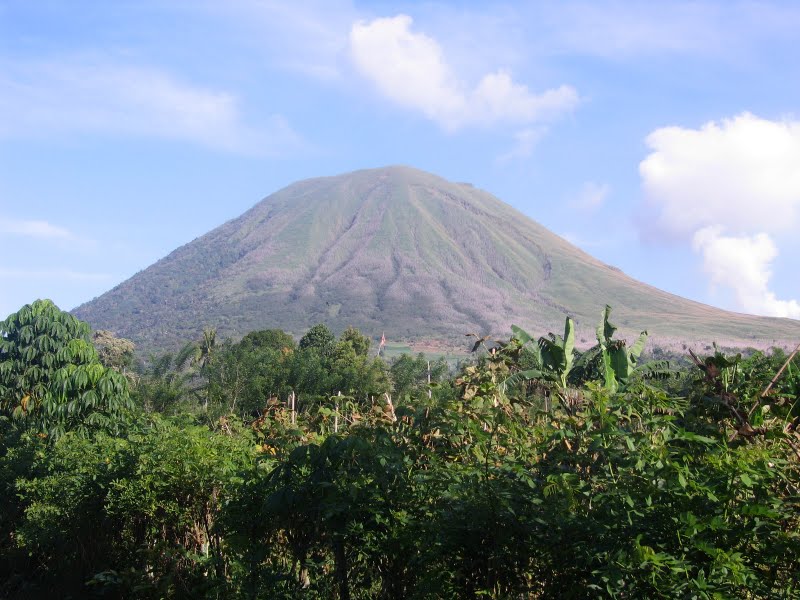

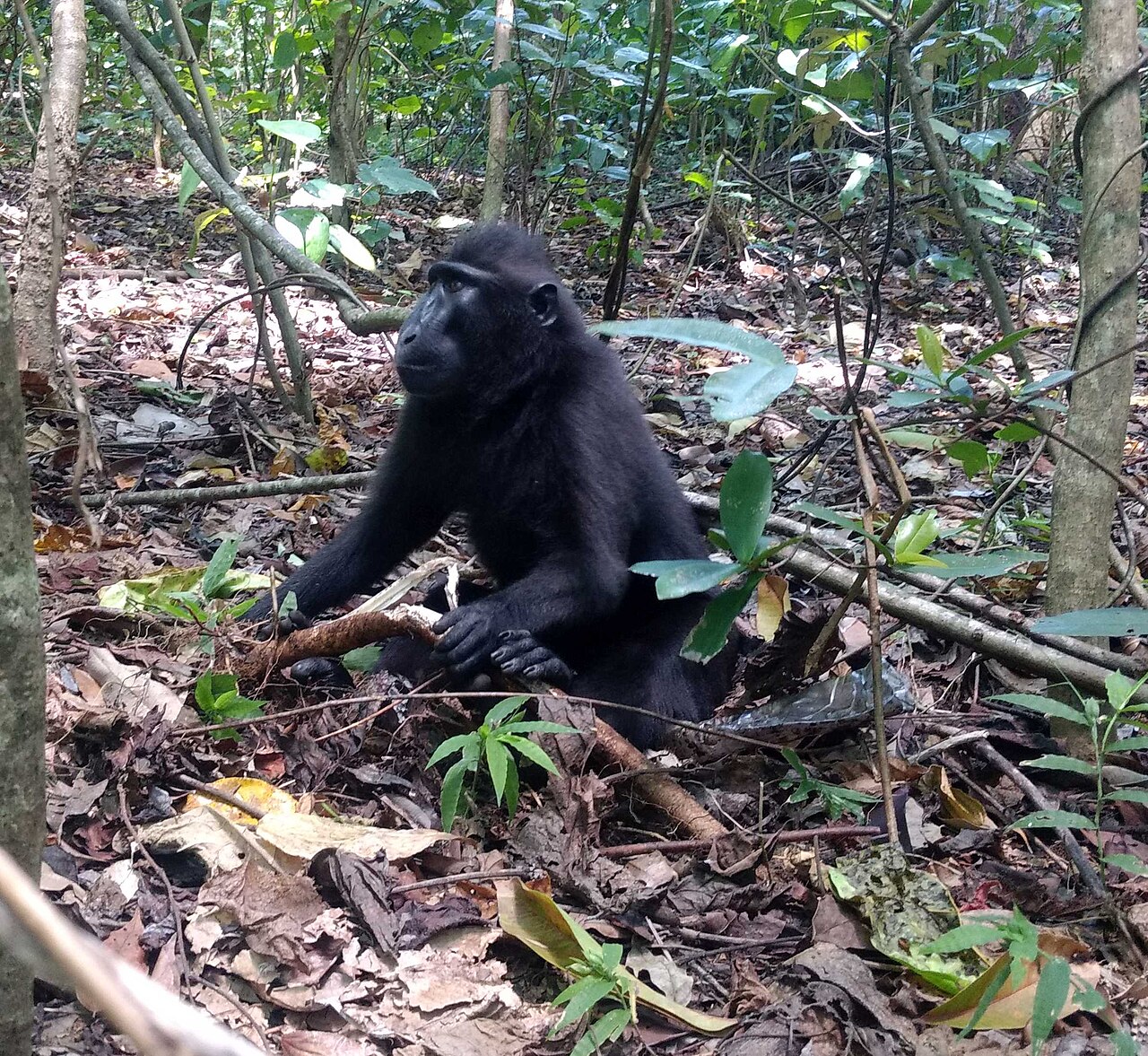


Geography and environment
North Sulawesi covers a largely mountainous and volcanic landscape with many cones and ridges that rise sharply from the coastline. It is a tectonically active area: volcanic features and geothermal phenomena are common, reflecting the province's position within the western Pacific's complex island-arc system (volcanic activity). The province is bounded by several seas and gulfs: the Celebes Sea to the west, the Maluku Sea to the east, and the Gulf of Tomini to the southwest; to its west is the province of Gorontalo on the same island. This mix of coastal, reef and montane habitats supports high biodiversity both on land and at sea.
History and historical influences
The Minahasa region has long been an axis for trade and cultural exchange between western and eastern islands of the archipelago. From the 16th century onwards European powers — beginning with the Portuguese — sought access to spices and other commodities. Spanish and Portuguese contact and rivalry gave way to increasing Dutch influence from the 17th century onward, with the Spanish and eventually the Dutch contesting the area. In World War II the Japanese occupation (Japanese) interrupted colonial control and after 1945 the political transition of the Indonesian archipelago led to the province becoming part of the newly independent Republic of Indonesia following the end of hostilities in World War II.
Population, culture and society
North Sulawesi's population is culturally diverse but features a distinct Minahasan identity in its language variants, customs and cuisine. Christianity is comparatively widespread here compared to many other parts of Indonesia, reflecting centuries of missionary activity during European contacts. Traditional crafts, music and ceremonies remain important in rural and urban communities alike, and local festivals often celebrate harvests, fishing seasons and community history.
Economy, resources and tourism
The regional economy combines agriculture (including rice and secondary crops), fisheries, forestry and increasingly tourism. Coastal waters and coral reefs attract divers and snorkellers; marine parks near Manado and other coastal hubs are renowned for coral biodiversity and diving infrastructure. Port facilities in Bitung support trade and shipping. Tourism development balances conservation priorities, since reefs and coastal ecosystems are sensitive to pollution and overuse.
Notable facts and distinctions
- Manado functions as the cultural and economic heart of the province with connectivity to other Indonesian islands and international destinations.
- Active volcanoes and steep relief make the area scenically dramatic but also pose geological risks; local authorities monitor volcanic and seismic activity closely.
- The province's strategic maritime location has shaped its long history of external connections and diverse cultural influences.
- Conservation efforts focus on protecting coral reefs and endemic species while promoting sustainable tourism and fisheries.
For further reading about administrative details, demographics and travel advisories, consult official provincial sources and regional studies (Philippine proximity, Sabah relations, Malaysia context). Additional geographic and historical background can be found through resources on the island of Sulawesi, the Minahasa Peninsula and neighbouring Gorontalo province. See also notes on marine environments (Celebes Sea) and regional volcanic systems (volcanism), plus historical overviews that mention European involvement (Spanish, Dutch) and the wartime period (Japanese occupation, WWII).
Questions and answers
Q: What is North Sulawesi?
A: North Sulawesi is a province of Indonesia located on the northeastern peninsula of the island of Sulawesi.
Q: Where is North Sulawesi located?
A: North Sulawesi is south of the Philippines and southeast of Sabah, Malaysia. The Maluku Sea is to the east, the Gorontalo and Celebes Sea is to the west, and the Gulf of Tomini is to the southwest.
Q: What are some major towns in North Sulawesi?
A: The major towns in North Sulawesi are Manado (the capital city), Tomohon, and Bitung.
Q: How large is North Sulawesi?
A: The province's area is 13851.64 sq.km.
Q: What religions were spread through trading routes in this region?
A: Christianity, Islam, and other religions were spread through trading routes in this region.
Q: Who first landed in this area during 16th century?
A: Portuguese explorers first landed in this area during 16th century.
Q: When did Dutch rule end over this region?
A: Dutch rule ended over this region at start of World War II when Japanese came into power until 1945 when they lost WWII; however Dutch controlled it again for a short time before leaving in 1949 following Round Table Conference where Dutch recognized newly created United States of Indonesia (RIS).
Related articles
Author
AlegsaOnline.com North Sulawesi (Sulawesi Utara): geography, history and culture Leandro Alegsa
URL: https://en.alegsaonline.com/art/70953
Sources
- sulut.bps.go.id : Penduduk – BPS Sulut
- nhcp.gov.ph : nhcp.gov.ph/?option=com_content&task=view&id=574
- sulut.bps.go.id : BPS · web.archive.org
- bappenas.go.id : Indeks-Pembangunan-Manusia-2014