
Atropates — Persian satrap and founder of Atropatene
Atropates was a Persian noble and satrap who served Darius III and Alexander the Great, then established the independent kingdom of Atropatene; his name survives in regional toponyms and classical sources.
Atropates was a Persian nobleman active in the late Achaemenid and early Hellenistic periods. He appears in classical Greek and Roman histories as a provincial governor (satrap) who navigated the collapse of the Achaemenid Empire, service under Alexander the Great, and the turbulent years that followed Alexander's death. By carving out a hereditary rule in the northwestern Iranian region historically associated with Media, he gave his name to the polity later called Atropatene.
Image gallery
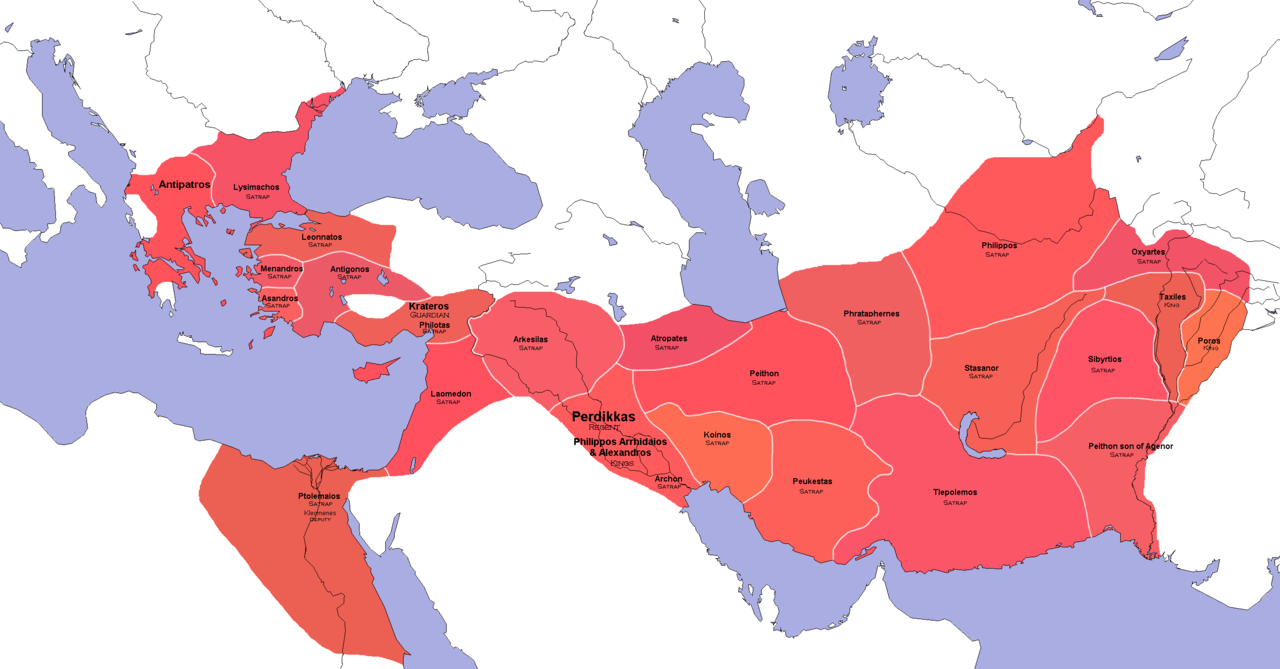
2 Images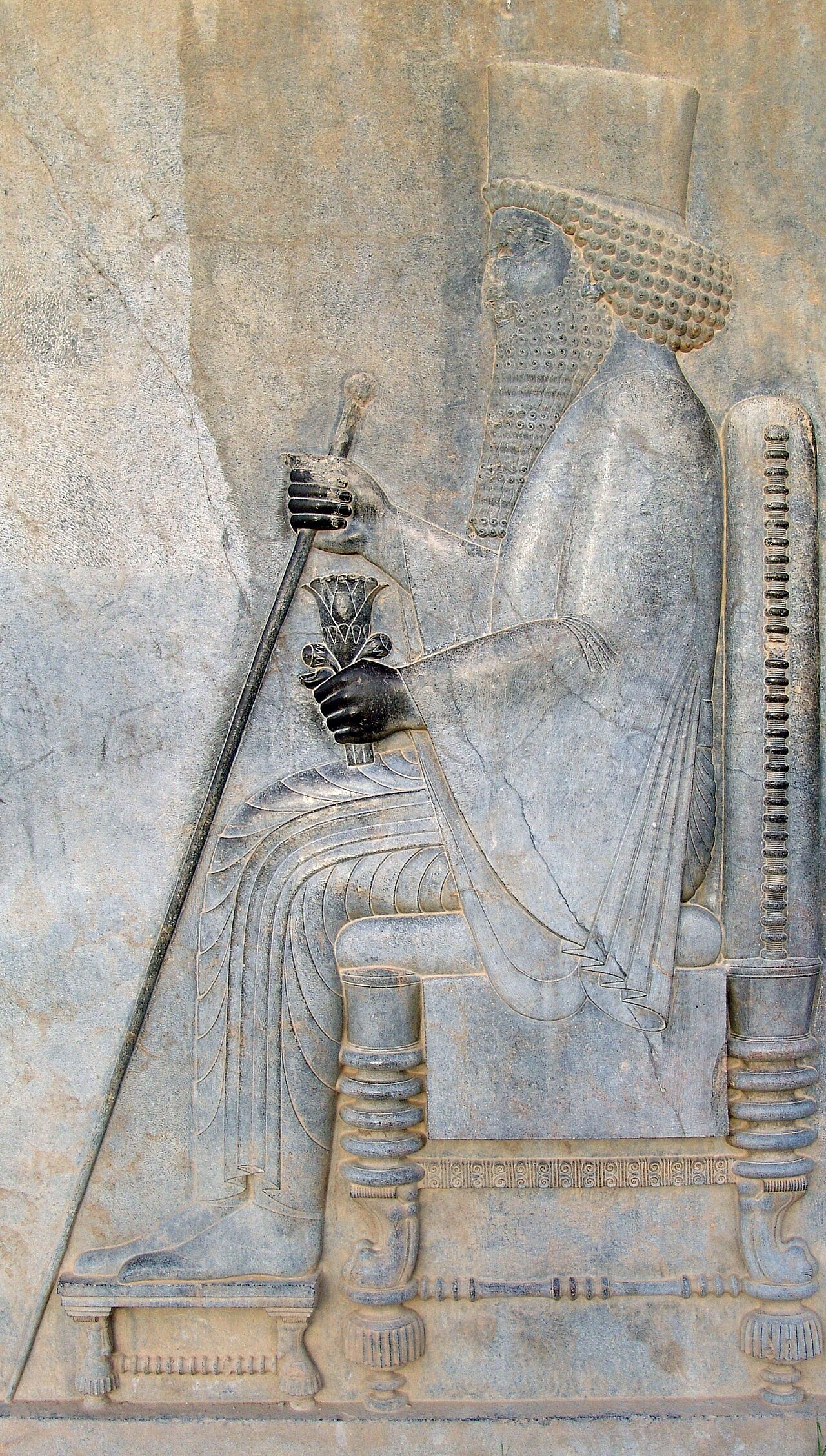
Career and rule
Originally a subordinate of Darius III, Atropates retained power as the imperial structure around him disintegrated. Like several other local rulers, he made a pragmatic accommodation with Macedonian power after Alexander's campaigns reached the Iranian plateau. In the years after Alexander's death (323 BC), when the Diadochi were dividing former Achaemenid territories, Atropates established an effectively independent dynasty in his satrapy. His rulership consolidated control over the mountainous districts north of the Iranian plateau and created a stable regional center of authority under his name.
Atropatene: territory and legacy
The polity founded by Atropates is commonly called Atropatene in classical sources. It occupied parts of what ancient writers called Media and lay in a zone that later historians associate with Azerbaijan and northwest Iran. Atropatene survived as a regional entity through subsequent centuries, sometimes as an independent kingdom and sometimes as a vassal to larger powers such as the Parthians. The name of the region is often cited by scholars as an important element in the historical development of the toponym that became "Azerbaijan".
Sources, name variants and historical reputation
Information about Atropates comes mainly from fragmentary classical accounts. Diodorus Siculus refers to him under a variant form of his name, and some later authors present different spellings or confuse him with other figures. For example, Diodorus calls him "Atrapes" while Quintus Curtius mistakenly uses the name "Arsaces" in one passage. Modern reconstructions rely on comparing these literary reports with regional history and numismatic and epigraphic evidence where available. For further reading on the primary classical testimonies, see ancient authors and editions: primary sources collection, historical summaries, and critical commentaries at reference work.
Importance and notable facts
- Atropates illustrates how local elites could preserve autonomy amid imperial collapse and successor conflicts.
- His dynasty established a political continuity in a mountainous frontier that proved resilient over centuries.
- Classical name-variants and occasional confusions in the sources highlight the difficulties in reconstructing provincial history from Greco-Roman narratives; see discussions in modern scholarship at scholarly overview and bibliographic guide.
Though details of Atropates' life remain sparse, his legacy is visible in the regional name and the survival of a local dynastic tradition that bridged the Achaemenid and post-Alexandrian eras. His career is a useful case study for the study of provincial governance, accommodation with conquering powers, and the formation of new regional polities in the early Hellenistic world.
Questions and answers
Q: Who was Atropates?
A: Atropates was a Persian nobleman who served under Darius III and later Alexander III of Macedon.
Q: What did Atropates do after serving under Alexander III of Macedon?
A: Atropates made an independent kingdom and a dynasty was named after him.
Q: What is the discrepancy between the names used by different historians to refer to Atropates?
A: Diodorus Siculus calls Atropates 'Atrapes' while Quintus Curtius wrongly names him 'Arsaces'.
Q: What is the time period when Atropates lived?
A: Atropates lived around 370 BC to after 321 BC.
Q: Who did Atropates serve as a nobleman?
A: Atropates served under both Darius III and Alexander III of Macedon.
Q: What legacy did Atropates leave behind?
A: Atropates left behind an independent kingdom and a dynasty named after him.
Q: What is significant about the name "Atropates"?
A: The name "Atropates" is significant in that it was used to name a dynasty after the Persian nobleman who made an independent kingdom.
Tags
Related articles
Author
AlegsaOnline.com Atropates — Persian satrap and founder of Atropatene Leandro Alegsa
URL: https://en.alegsaonline.com/art/7070
Sources
- livius.org : "Atropates (Biography)"
- iranicaonline.org : Azerbaijan: Pre-Islamic History
- iranicaonline.org : "Azerbaijan I: Geography"