
Nord N.2501 Noratlas
French post‑war twin‑engine transport aircraft with twin‑boom tail and rear cargo ramp; used by several air forces from the 1950s into the 1980s.
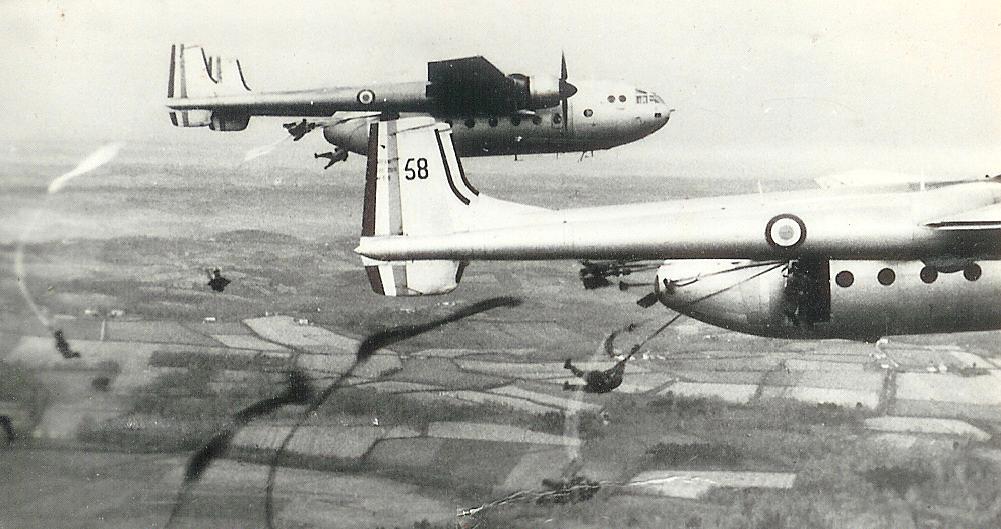
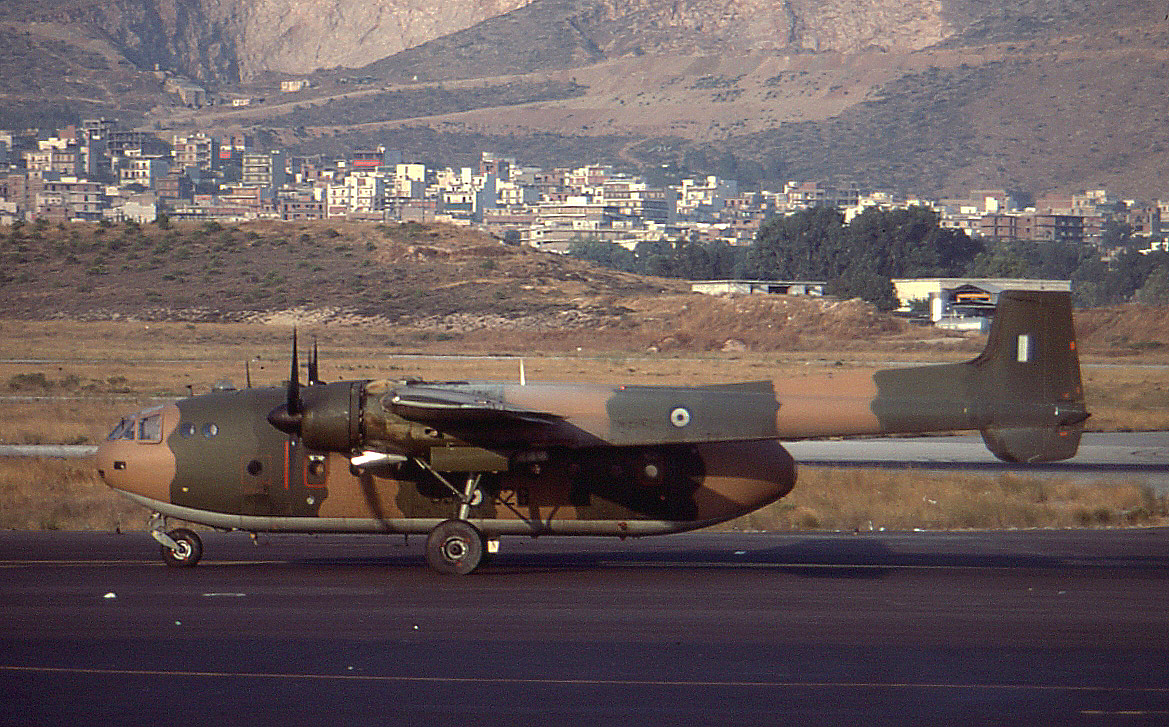
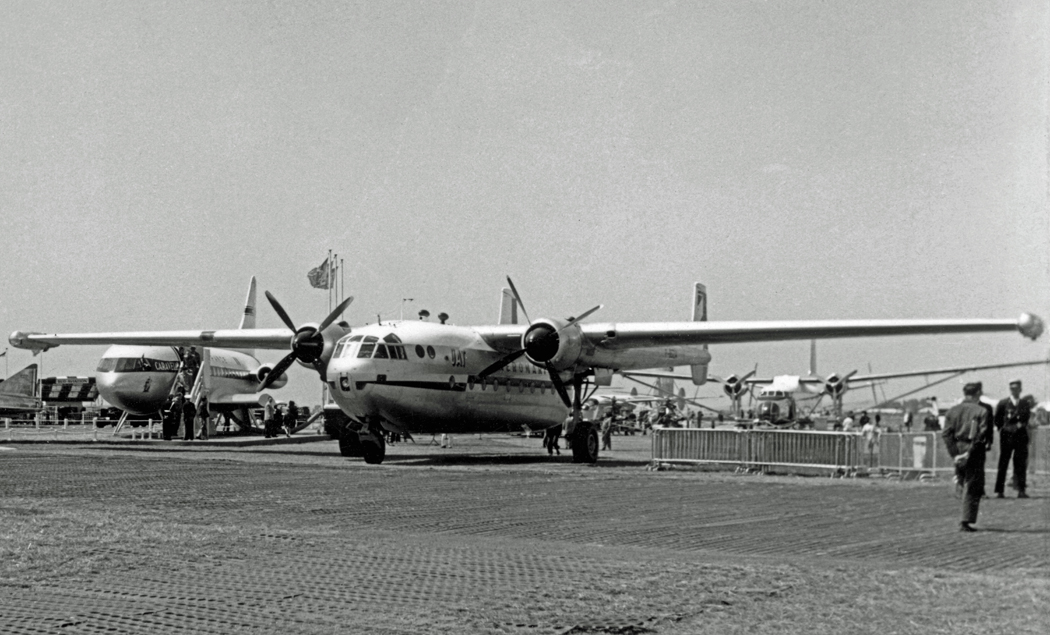
The SNCAN N.2501 Noratlas, commonly called the Noratlas, is a post‑war French French design built as a military transport platform. It combined a high wing and twin‑engine layout with a distinctive twin‑boom tail and a large rear cargo door, allowing rapid loading and parachute operations. The type is often remembered for its boxy fuselage optimized for cargo and troop movement and for service with multiple European and Middle Eastern air arms.
Image gallery
10 Images




Design and characteristics
The Noratlas was a twin‑engine, high‑wing transport featuring a twin‑boom empennage and a rear loading ramp that gave it good short‑field and tactical utility. As a dedicated transport aircraft, internal arrangements emphasized a clear cargo bay that could accommodate pallets, vehicles, or paratroops. Its simple, robust construction made it well suited to austere airfields and frequent operational sorties.
Development and production
Work on the N.2501 began in the late 1940s under Société Nationale de Construction Aéronautique du Nord. The prototype conducted its maiden flight in September 1949, and the type entered squadron service in 1953. Production was not limited to France: a number of airframes were assembled under licence, including manufacture carried out in Germany, reflecting demand among NATO and other allied operators.
Operators and operational use
The Noratlas saw service with several air forces worldwide. Notable operators included the French Armée de l'Air, the German Luftwaffe, and the Israeli Air Force, among others. It performed a range of roles: tactical airlift, paratroop deployment, medical evacuation and general logistical support. Its ability to operate from short or semi-prepared strips made it valuable during the early Cold War period.
Variants, retirement and legacy
Several production variants adapted the basic airframe for different payloads and mission equipment. By the 1960s and 1970s newer transports with greater speed, range and payload gradually supplanted the Noratlas in many services. France retired its last Noratlas in 1984. The type is remembered for its practical layout and the characteristic twin‑boom silhouette, and it influenced later medium tactical airlifters.
Notable facts
- The Noratlas combined tactical versatility with straightforward maintenance, making it a workhorse for decades.
- Its rear ramp and spacious cargo compartment simplified loading of bulky equipment and rapid paratroop exits.
- Licensing and international sales helped spread the design across NATO and allied air arms during the 1950s and 1960s.
For general reference and archival material about the Noratlas, see contemporary accounts and specialized aviation histories; surviving airframes are exhibited by several museums and historic flight groups. For additional online resources, consult manufacturer histories and operator records via archival links such as manufacturer pages or operator summaries at aircraft registries.
Questions and answers
Q: What is the Nord N.2501 Noratlas?
A: The Nord N.2501 Noratlas is a French transport aircraft designed by the Société Nationale de Construction Aéronautique du Nord.
Q: Which air forces used the Noratlas?
A: The Noratlas was used by several air forces, including the Armée de l'Air, Luftwaffe, and Israeli Air Force.
Q: When did the Noratlas first fly?
A: The Noratlas first flew in September 1949.
Q: When was the Noratlas introduced?
A: The Noratlas was introduced in 1953.
Q: When did France retire its last Noratlas?
A: France retired its last Noratlas in 1984.
Q: Was the Noratlas built under license in Germany?
A: Yes, the Noratlas was built under license in Germany.
Q: Who designed and built the Noratlas?
A: The Noratlas was designed and built by the Société Nationale de Construction Aéronautique du Nord.
Related articles
Author
AlegsaOnline.com Nord N.2501 Noratlas Leandro Alegsa
URL: https://en.alegsaonline.com/art/70665
Sources
- avionslegendaires.net : avionslegendaires.net/avion-militaire/nord-n-2501-noratlas/
- aviastar.org : "Nord 2500 Noratlas - transport"
- aviationsmilitaires.net : aviationsmilitaires.net/v3/kb/aircraft/show/1277/nord-aviation-nord-2501-noratlas
- escadrilles.org : escadrilles.org/histoire-et-histoires/histoire-de-grises-2/
- avions-de-la-guerre-d-algerie.over-blog.com : avions-de-la-guerre-d-algerie.over-blog.com/article-19017012.html