
Nord-Est Department (Haiti)
Nord-Est is Haiti's northeastern department bordering the Dominican Republic. Its capital is Fort-Liberté. The region features coastal plains, historic forts, agriculture, fishing and cross-border trade.
Nord-Est (English North-East) is one of the ten administrative departments (departments) of the Republic of Haiti. It occupies the northeastern corner of the island of Hispaniola and shares an international land border with the Dominican Republic (Dominican Republic). The departmental capital is Fort-Liberté (Fort-Liberté), a coastal town noted for colonial-era fortifications and local markets.
Image gallery
2 Images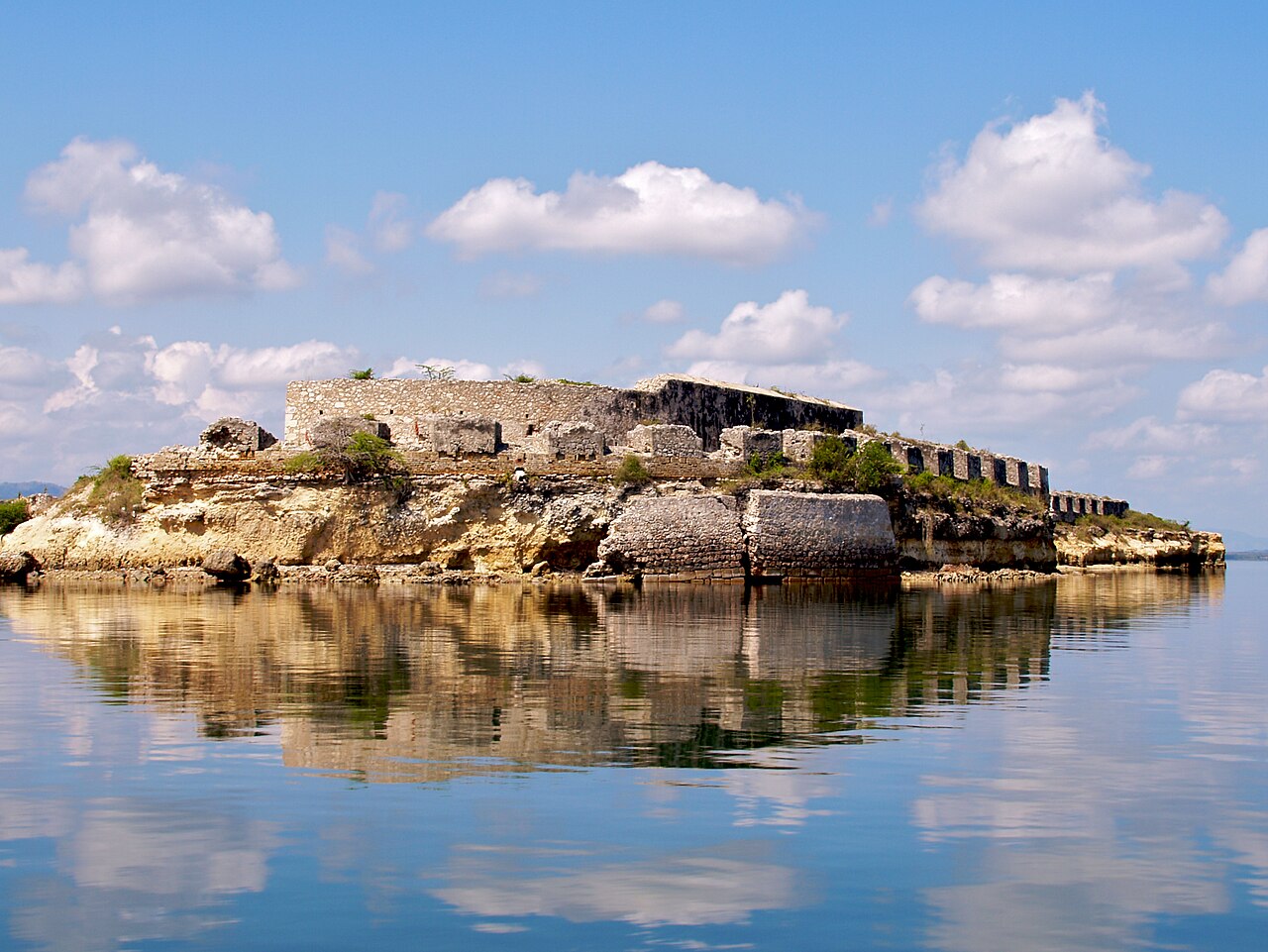

Geography and climate
The department's landscape includes low coastal plains, mangrove-lined bays, small offshore reefs and higher inland areas. Its coastal location supports fishing and small ports, while interior valleys are used for agriculture where soils and water permit. The climate is tropical; a wet season brings heavy rains and the island is periodically affected by tropical storms and hurricanes. Coastal erosion, mangrove loss and hillside deforestation are among the environmental pressures that affect local livelihoods and infrastructure.
History
Nord-Est's history reflects the wider colonial and post‑colonial history of Hispaniola. Fortifications around Fort-Liberté and other sites testify to colonial military contest and later national developments. After independence Haiti was initially divided into a few large departments; Nord-Est was historically part of the larger northern division, the Nord region, before later administrative reorganizations created the present department. Local histories combine accounts of plantation-era economy, revolutionary activity and nineteenth-century state formation.
Administration and settlements
As with other departments, Nord-Est is subdivided into arrondissements and communes that provide local administration and services. Settlements range from the departmental capital to smaller coastal towns and rural villages. Local authorities manage markets, basic education and limited health facilities, often with support from national programs and non-governmental organizations.
Economy
The economy is mixed and largely rural. Subsistence and small-scale commercial agriculture, artisanal fishing and cross-border trade with neighboring Dominican towns are important sources of income. Common crops include coffee and a variety of fruits and staples; seasonal markets and informal trade along the border are central to many households. Opportunities for developing heritage and eco‑tourism are noted by regional planners, building on coastal scenery and historic sites.
Transport and infrastructure
Transport links are based on regional roads that connect the capital, coastal communities and frontier crossings to national routes. Local ports and small harbors serve fishing fleets and interlocal transport. Infrastructure in parts of the department is limited, with challenges in road maintenance, water supply and power access that affect economic activity and emergency response.
Culture and society
Cultural life in Nord-Est blends rural Haitian traditions, coastal livelihoods and influences from cross-border contact. Haitian Creole and French are used in everyday life and administration (French administrative terms appear in many local records; see the French term départment). Religious festivals, market days and community ceremonies remain important social anchors.
Environment and development challenges
The department faces common development challenges: limited infrastructure, vulnerability to storms and floods, land degradation and pressure on forests. Conservation of mangroves and coastal reefs, sustainable agricultural practices and improved disaster preparedness are priorities for local and national efforts. At the same time, fortifications, coastal scenery and border markets represent potential assets for careful, community-based tourism and cross-border economic initiatives.
- Key features: coastal bays and mangroves; colonial forts near Fort-Liberté; agricultural valleys; international border crossings.
- Languages: Haitian Creole and French (administrative use).
- Main activities: smallholder agriculture, fishing, informal and formal cross-border trade.
Readers seeking administrative context and further background can consult general overviews of Haiti's departments (departments) and country profiles (Haiti). Historical summaries and regional studies provide more on colonial forts and frontier dynamics, while language and administrative glossaries can clarify French terminology (départment). For information on cross-border relations and the neighbouring state see material relating to the Dominican Republic. Additional local detail and maps are often available through national records and publications linked to Fort-Liberté (Fort-Liberté) and broader northern Haiti research (Nord).
Questions and answers
Q: What is Nord-Est department?
A: Nord-Est (English: North-East) department is one of the ten departments of Haiti.
Q: Where is Nord-Est department located?
A: Nord-Est department is located in the northeastern corner of the country, along the border with the Dominican Republic.
Q: What is the capital of Nord-Est department?
A: The capital of Nord-Est department is Fort-Liberté.
Q: How many departments were there in Haiti after the Haitian Revolution?
A: After the Haitian Revolution, there were three departments in Haiti: Nord, Ouest and Sud.
Q: Was Nord-Est department a part of the Nord department?
A: Yes, Nord-Est department was a part of the Nord department.
Q: How did the country of Haiti come into existence?
A: The country of Haiti came into existence after the Haitian Revolution.
Q: When was the country of Haiti divided into three departments?
A: The country of Haiti was divided into three departments after the Haitian Revolution.
Related articles
Author
AlegsaOnline.com Nord-Est Department (Haiti) Leandro Alegsa
URL: https://en.alegsaonline.com/art/70663
Sources
- ihsi.ht : ihsi.ht/pdf/projection/Estimat_PopTotal_18ans_Menag2015.pdf
- haiti-reference.com : "Départments géographiques d'Haïti"
- ihsi.ht : "Le 4ième Recensement Géneral de la Population et de l'Habitat"