
No Me Queda Más — Selena’s signature Spanish-language ballad
Comprehensive encyclopedia entry on “No Me Queda Más,” the 1994 Spanish-language ballad by Selena: its origins, writing, production, chart success, video, critical reception and lasting cultural legacy.
Overview
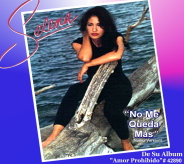
Selena recorded "No Me Queda Más" for her fourth studio album, Amor Prohibido (1994). The song is a Spanish-language ballad that became one of the singer’s best-known recordings and a staple of Latin pop and Tejano repertoires. It is often cited as an example of Selena’s ability to interpret romantic material with clarity and emotional restraint.
Image gallery
3 Images
Background and inspiration
The piece was written by keyboardist Ricky Vela, who drew on personal experience to compose the lyrics. Vela’s unrequited feelings toward a woman close to Selena’s circle informed the song’s theme of acceptance and quiet resignation. The narrative voice of the lyrics emphasizes dignity in loss and a refusal to fight for a love that will not be returned, which resonated widely with listeners.
Writing and production
Selena’s brother and longtime producer, A.B. Quintanilla III, supported turning Vela’s lyrics into a single for the album. The track was co-produced and arranged with the assistance of Bebu Silvetti, whose contributions gave the recording a lush, orchestral ballad texture. Recording sessions focused on highlighting Selena’s vocal phrasing and the song’s string arrangements while keeping instrumentation understated to preserve intimacy.
Musical characteristics
Performed in Spanish, "No Me Queda Más" features piano, string lines and gentle percussion that support Selena’s lead vocal. The melody uses expressive inflections characteristic of Latin pop balladry, and the arrangement balances contemporary studio polish with elements of classic romantic orchestration. The result foregrounds the emotional content of the lyrics without overwhelming the singer’s delivery.
Release and chart performance
The song was released as a single in the United States and Mexico and quickly gained radio play across Latin formats. It reached number one on the Billboard Hot Latin Tracks chart and remained a dominant title for several weeks, helping to make it one of the most commercially successful Latin singles in the period following the album’s release. It also placed highly on year-end listings and contributed to Selena's commercial peak in the mid-1990s.
Critical reception and awards
Music reviewers commended the song for its emotional sincerity and Selena’s nuanced vocal performance. Industry organizations recognized the composition and recording: it was nominated for songwriting and radio performance awards at Latin music ceremonies and received honors for its music video. Critics often highlighted the track as a standout on Amor Prohibido and within Selena’s catalog.
Music video and visual presentation
The music video for "No Me Queda Más" was filmed in Texas and includes scenes shot at the Houston Amtrak station and locations in San Antonio. The visual treatment emphasizes themes of longing and departure, using train imagery and urban settings to underscore the song’s mood. The video received airplay on music television outlets and won recognition at major Latin music award shows.
Live performance and posthumous prominence
Although the recording is a studio ballad, Selena performed the song live on selected television and concert appearances, often receiving strong audience response. After her death, the song remained a central piece in tributes and retrospectives, and it has been included in numerous compilations and greatest-hits collections that celebrate her career.
Covers, reinterpretations and cultural impact
"No Me Queda Más" has been widely covered and reinterpreted by artists across genres, from acoustic solo renditions to orchestral tributes. Its popularity among listeners and performers has helped maintain its presence on radio, streaming playlists and at memorial concerts. The song's themes of unreturned love and acceptance are broadly relatable, which contributes to its continued relevance in Latin popular culture.
Legacy
Critics and fans alike regard "No Me Queda Más" as one of Selena’s signature ballads. It exemplifies the blend of pop sensibility and traditional romantic expression that characterized much of her work. The track’s commercial success, critical praise, award recognition and enduring covers have cemented its status as a lasting element of her artistic legacy.
Key points
- Written by Ricky Vela and produced in collaboration with A.B. Quintanilla III and Bebu Silvetti.
- Recorded by Selena for the album Amor Prohibido (1994).
- Performed in Spanish as a romantic ballad.
- Reached number one on Hot Latin Tracks and earned year-end distinctions on Billboard charts.
- Music video filmed in Texas, including an Amtrak station; video and single won industry awards.
- Praised by music critics and frequently covered by other artists.
- Remains a defining selection in Selena’s catalog and a cultural touchstone in Latin pop music.
For further reading on the artist’s broader career, production credits, and the song’s place within 1990s Latin pop, consult artist biographies and chart archives that document the era and its major releases. Additional contextual analysis of the song’s musical structure and arrangement can be found in studies of contemporary Latin balladry and Tejano music history.
Related resources: Selena biography, songwriter profile Ricky Vela, producer notes A.B. Quintanilla III, album page Amor Prohibido, language context Spanish-language pop, genre overview ballad traditions, chart context at Billboard and the Hot Latin Tracks archive, critical reception summaries at music criticism outlets, the song’s music video, filming sites including the Amtrak station, and notable covers and tributes.
Questions and answers
Q: Who wrote the song "No Me Queda Más"?
A: The song was written by Ricky Vela.
Q: What inspired the lyrics of the song?
A: The lyrics were inspired by Ricky Vela's unreturned love for Selena's sister, Suzette Quintanilla.
Q: Who co-produced the song?
A: The song was co-produced by Bebu Silvetti.
Q: On which album was "No Me Queda Más" released?
A: It was released on Selena's fourth album Amor Prohibido (1994).
Q: How successful was the single in terms of chart performance?
A: The single reached number one on the US Billboard Hot Latin Tracks for seven weeks and it became the number-one song on the Billboard Top Latin Songs Year-End Chart and also became the best-selling Latin single for 1995 in the United States.
Q: What awards did "No Me Queda Más" receive?
A: It received a nomination for "Song of the Year" at Broadcast Music Latin Awards and won a 1995 Billboard Latin Music Award for its music video.
Q: Where did they shoot its music video?
A: The music video was shot at Houston, Texas Amtrak station and other locations in San Antonio, Texas.
Related articles
Author
AlegsaOnline.com No Me Queda Más — Selena’s signature Spanish-language ballad Leandro Alegsa
URL: https://en.alegsaonline.com/art/70436
Sources
- books.google.com : Como La Flor
- books.google.com : Mapping Tejana epistemologies: Contemporary (re)constructions of Tejana identity in literature, film and popular culture
- books.google.com : Encyclopedia of recorded sound
- books.google.com : "The Chart Toppers"
- books.google.com : The world music CD listener's guide
- nl.newsbank.com : "Selena: ¡Vive!, Celebrates A Musical Legacy"
- books.google.com : Encyclopedia Latina : history, culture, and society in the United States
- nl.newsbank.com : "Selena clip named top video Early Tejano Music Awards hint at those to be named"
- books.google.com : Meditaciones Para Lograr Su Primer Millon Meditations for Making Your First Million
- muzyka.onet.pl : "16. rocznica śmierci Seleny"
- pqasb.pqarchiver.com : "A Postmortem Star In death, Selena is a crossover success"
- nl.newsbank.com : "Buzz: 'Selena' reopens as benefit show"
- nl.newsbank.com : "Dreaming of Selena A new album celebrates what she was but only hints at what she could have become"
- pqasb.pqarchiver.com : "Music Star crossed Selena's dream of mainstream acceptance is alive and well"