
Nisei: second-generation Japanese immigrants
Nisei are the U.S., Canadian, and Latin American children of Japanese-born immigrants. This article explains the term, historical context, cultural traits, wartime experiences, and generational differences.
Definition and terminology
The Japanese-language word Nisei (二世, literally "second generation") denotes people born in a new country to parents who emigrated from Japan. The term is commonly used in communities across North America and South America, where large Japanese immigrant populations settled. Parents who were born in Japan are called Issei, while their grandchildren are known as Sansei.
Image gallery
2 Images
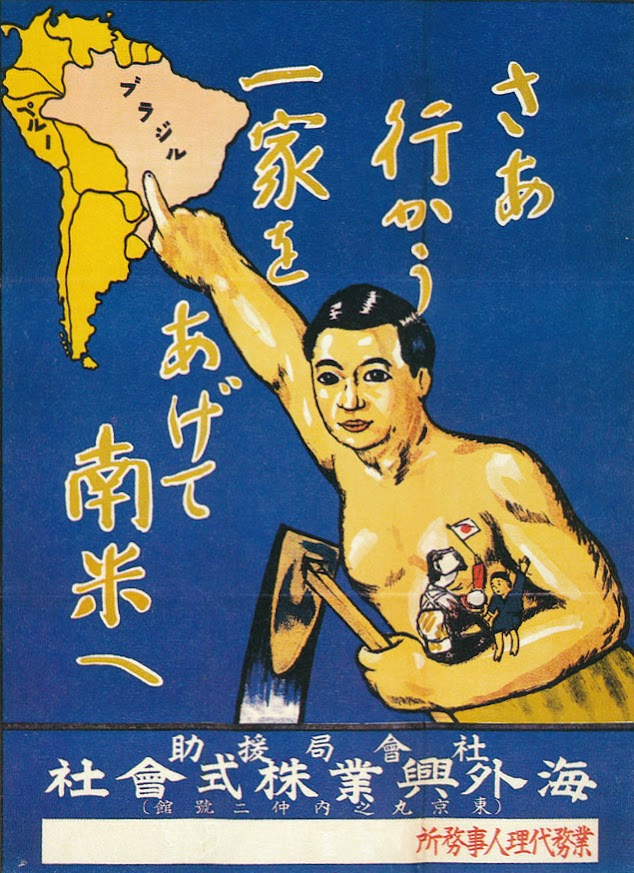
Historical background
Immigration from Japan began in earnest in the late nineteenth and early twentieth centuries. Those who left Japan are often described as emigrants, and those who arrived in host countries are referred to as immigrants. Nisei were typically born into households shaped by Issei cultural practices but in environments influenced by the laws, language, and institutions of their birth countries.
Cultural characteristics
Nisei communities developed distinctive patterns that blended Japanese and local traditions. Common features included bilingualism or bicultural fluency, family structures combining Japanese and local expectations, and participation in religious or civic organizations adapted to the new setting. Many Nisei pursued education and employment in the mainstream society while maintaining ties to ethnic institutions.
- Language: a shift toward the host country language while retaining some Japanese.
- Identity: negotiation between parental heritage and local belonging.
- Community life: social clubs, religious groups, and cultural schools.
Experience during World War II
In several host countries, Nisei faced intense scrutiny and discrimination during World War II. In North America this included forced removals, confinement, loss of property, and restrictions on civil liberties for people of Japanese descent. At the same time, many Nisei demonstrated loyalty to their countries by serving in the armed forces or engaging in civic efforts, a history that shaped later civil-rights and redress movements.
Postwar transition and contributions
After the war and into the late twentieth century, Nisei often played important roles in rebuilding community institutions, pursuing higher education, and entering professions and business. Their experiences contributed to broader discussions about citizenship, multiculturalism, and minority rights. In several countries, later generations such as the Sansei pursued integration in different ways, reflecting generational changes.
Distinctions and notable facts
Understanding Nisei involves distinguishing generational labels and recognizing variation by country and period. Issei, Nisei, and Sansei labels signal relative placement in immigrant family history rather than uniform behavior. Contemporary Nisei — and their descendants — are a diverse group: some emphasize ancestral language and customs, others identify primarily with the national culture of their birth. For further linguistic or demographic context see general resources on the term and migration history: Japanese background and community studies in North America and South America provide broader reading.
Questions and answers
Q: What is the meaning of the term "Nisei"?
A: "Nisei" is a Japanese language term used to name the children born to Japanese people who immigrated to countries in North America and South America.
Q: What does the term "Issei" refer to?
A: The term "Issei" refers to emigrants or immigrants who were born in Japan.
Q: Who are called Nisei?
A: The children of Issei who were born in the new country are called Nisei.
Q: What do you call the grandchildren of Issei?
A: The grandchildren of Issei are called Sansei.
Q: What is recognized about the character and uniqueness of the Nisei?
A: The character and uniqueness of the Nisei is recognized in its social history.
Q: What countries use the term "Nisei"?
A: The term "Nisei" is used in countries in North America and South America.
Q: What is the literal meaning of "Nisei" in English?
A: The literal meaning of "Nisei" in English is "second generation".
Related articles
Author
AlegsaOnline.com Nisei: second-generation Japanese immigrants Leandro Alegsa
URL: https://en.alegsaonline.com/art/70340
Sources
- books.google.com : American Buddhists in Social Context, p. 110
- mofa.go.jp : Japan-Mexico Foreign Relations
- mofa.go.jp : "Japan-Brazil Relations"
- books.google.com : Many Petals of the Lotus: Five Asian Buddhist Communities in Toronto, p. 36.
- news.bbc.co.uk : "Fujimori Secures Japanese Haven,"
- discovernikkei.org : "What is Nikkei?"
- americanart.si.edu : "The Art of Gaman: Arts and Crafts from the Japanese American Internment Camps, 1942 - 1946", Yoshitsuchi Ikemoto
- books.google.com : Rising Sons: The Japanese American GIs Who Fought for the United States in World War II, p. xv.
- encyclopedia.densho.org : "Issei"
- discovernikkei.org : "Voices of Chicago: Day of Remembrance 2006,"
- books.google.com : p. 59
- discovernikkei.org : Fujimori bio
- japantimes.co.jp : "Son of conservative Japanese a star in Brazil's new leftist administration,"
- senate.gov : "Hajiro, Barney F.," p. 8-9 [PDF 12-13 of 44]