
Nilgiris district (Tamil Nadu) — geography, nature, towns and tourism
Nilgiris district in western Tamil Nadu is a hilly, biologically rich region centered on the Nilgiri Hills. Known for Ooty, tea plantations, the Nilgiri Biosphere and unique highland ecosystems.
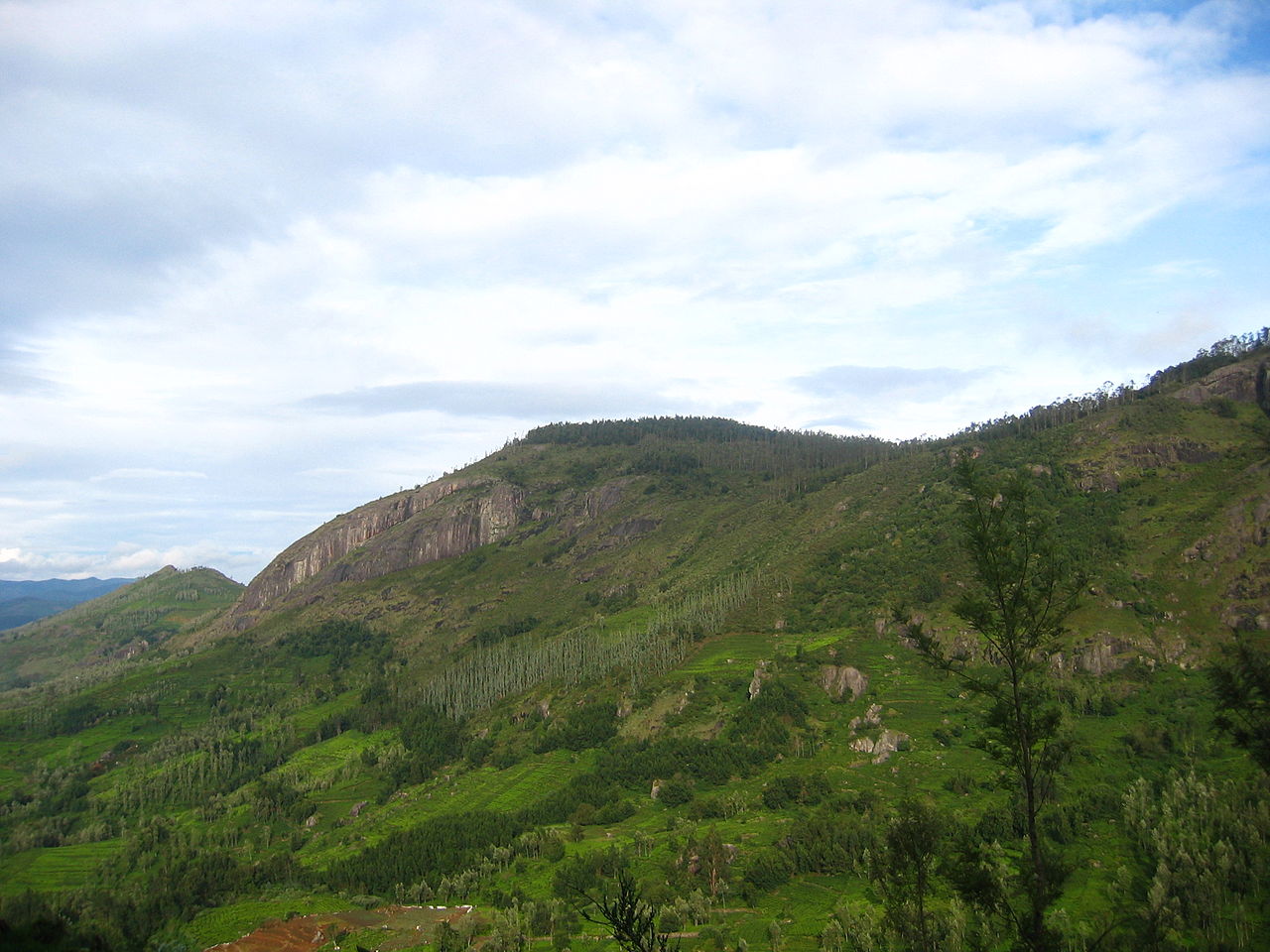
The Nilgiris district occupies a compact highland region in the western part of the Indian state of Tamil Nadu. The district gets its name from the Nilgiri Hills, a segment of the Western Ghats that rises above the surrounding plains. Its administrative centre is the town commonly called Ooty (Udhagamandalam), a historic hill station. The range includes the state’s highest summit, Doddabetta, and the district contains what is widely recognised as the highest terrain in Tamil Nadu.
Image gallery
10 Images





Geography and major towns
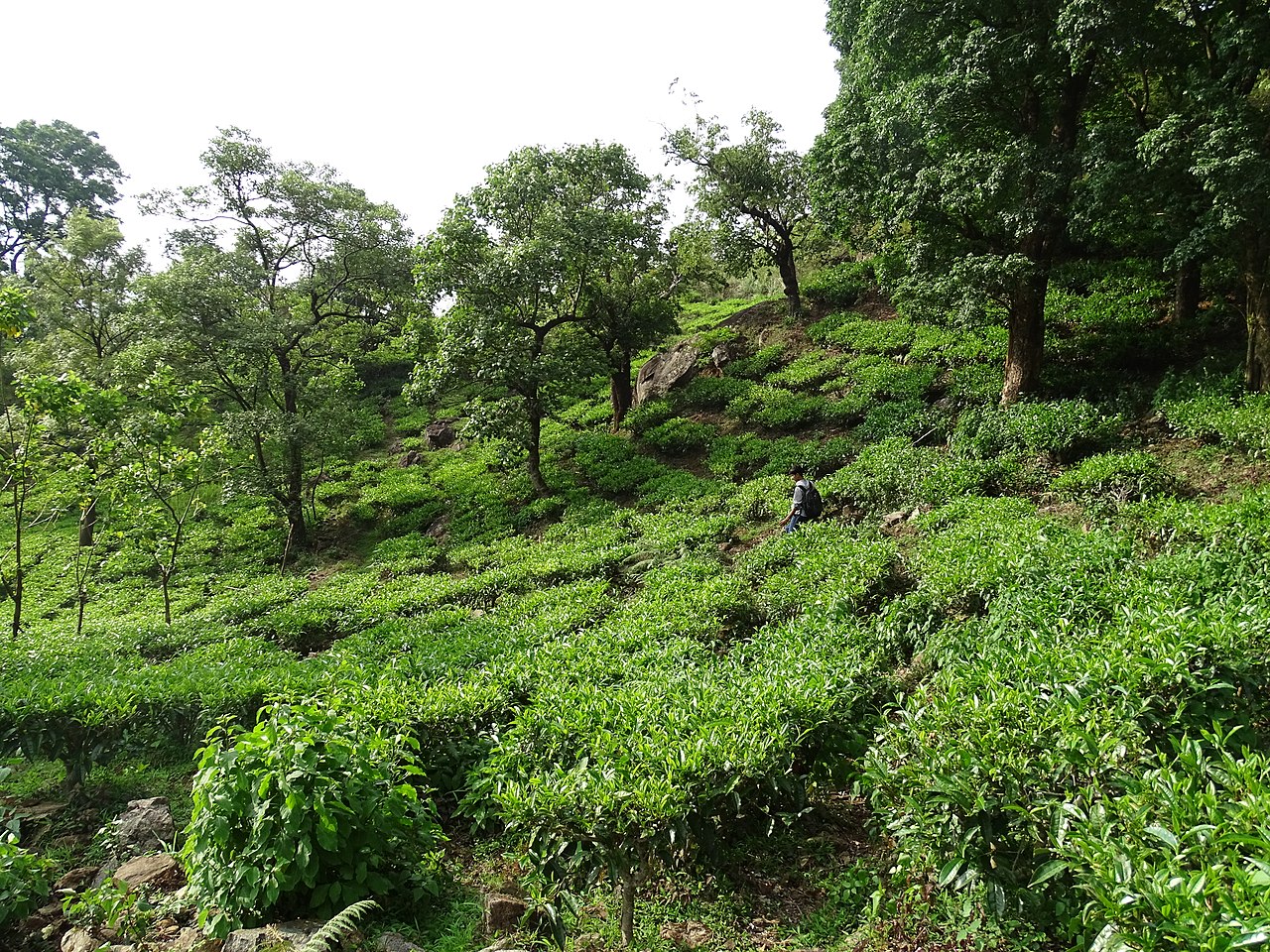
Altitude in the Nilgiris varies from low-elevation valleys to cool highland plateaus and peaks. The terrain supports a mosaic of evergreen montane forests, grasslands and cultivated slopes. Major urban centres include Ooty, Coonoor, Kotagiri and Gudalur, each serving as a base for administration, commerce and tourism. Winding roads and a celebrated mountain railway connect the towns with the plains below.
Flora, fauna and communities
The district forms part of a biodiversity hotspot. Montane "shola" forests and rolling grasslands shelter many endemic plants and animals, such as the Nilgiri tahr and a variety of amphibians, birds and butterflies. Larger mammals, including elephants and leopards, use the forest corridors here. The Nilgiris are also home to several indigenous communities, whose traditional knowledge and cultural practices remain visible in local crafts and festivals.
History and land use
The Nilgiris developed as a hill-station region during the colonial period, when Europeans established summer retreats and large plantations. Tea, coffee and spice cultivation expanded on cleared slopes and terraces, shaping much of the present-day landscape. Settlements grew around the plantation economy, while conservation awareness later led to the establishment of protected areas and biosphere management initiatives.
Economy, tourism and transport
Today the local economy mixes agriculture (notably tea and horticulture), forestry-related livelihoods and a substantial tourism sector. Ooty and Coonoor attract domestic and international visitors for scenic views, botanical gardens and hill walks. The historic Nilgiri Mountain Railway, a rack-and-pinion line climbing from the plains to Ooty, is internationally recognised for its engineering and landscapes.
Protection, importance and notable facts
Parts of the district fall within larger conservation frameworks, including reserve forests, wildlife sanctuaries and the Nilgiri Biosphere, which aim to balance human use with the protection of endemic species and watershed values. The combination of distinctive ecosystems, cultural communities and hill-station heritage makes the Nilgiris a region of both ecological significance and touristic appeal.
- Key natural features: shola forests, montane grasslands, escarpments.
- Notable transport link: Nilgiri Mountain Railway and scenic hill roads.
- Main towns: Ooty, Coonoor, Kotagiri, Gudalur.
For further reading on the landscape and conservation of this region, consult reliable regional guides and protected-area resources linked from local authorities and environmental organisations.
Questions and answers
Q: What is Nilgiris district?
A: Nilgiris district is a district in Tamil Nadu, India.
Q: Where is Nilgiris district located?
A: The district mainly lies in the Nilgiri Hills which gives the district its name.
Q: What is the capital of Nilgiris district?
A: The capital of Nilgiris district is the town of Ootacamund (Ooty).
Q: What is the highest point of Tamil Nadu?
A: The highest point of Tamil Nadu is Doddabetta peak which is located in Nilgiris district.
Q: Is Nilgiris district known for its hilly terrain?
A: Yes, Nilgiris district is known for its hilly terrain as it lies in the Nilgiri Hills.
Q: What are the major attractions of Nilgiris district?
A: Some of the major attractions of Nilgiris district are Doddabetta peak, Ooty Lake, Mudumalai National Park, and botanical gardens.
Q: Is Nilgiris district a popular tourist destination?
A: Yes, Nilgiris district is a popular tourist destination known for its scenic beauty, pleasant climate, and tea plantations.
Related articles
Author
AlegsaOnline.com Nilgiris district (Tamil Nadu) — geography, nature, towns and tourism Leandro Alegsa
URL: https://en.alegsaonline.com/art/70220