
Niamey: capital and largest city of Niger
Niamey is the capital and largest city of Niger, on the Niger River. It serves as the administrative, cultural and economic center, with markets, light industry, riverfront districts and educational institutions.
Overview
Niamey is the capital and principal city of the West African state of Niger (Niger). Situated on the banks of the Niger River, the city functions as the national administrative, cultural and economic hub. Its population has grown rapidly in recent decades; older estimates put it at roughly 675,000 residents, while current figures are higher as the urban area expands.
Image gallery
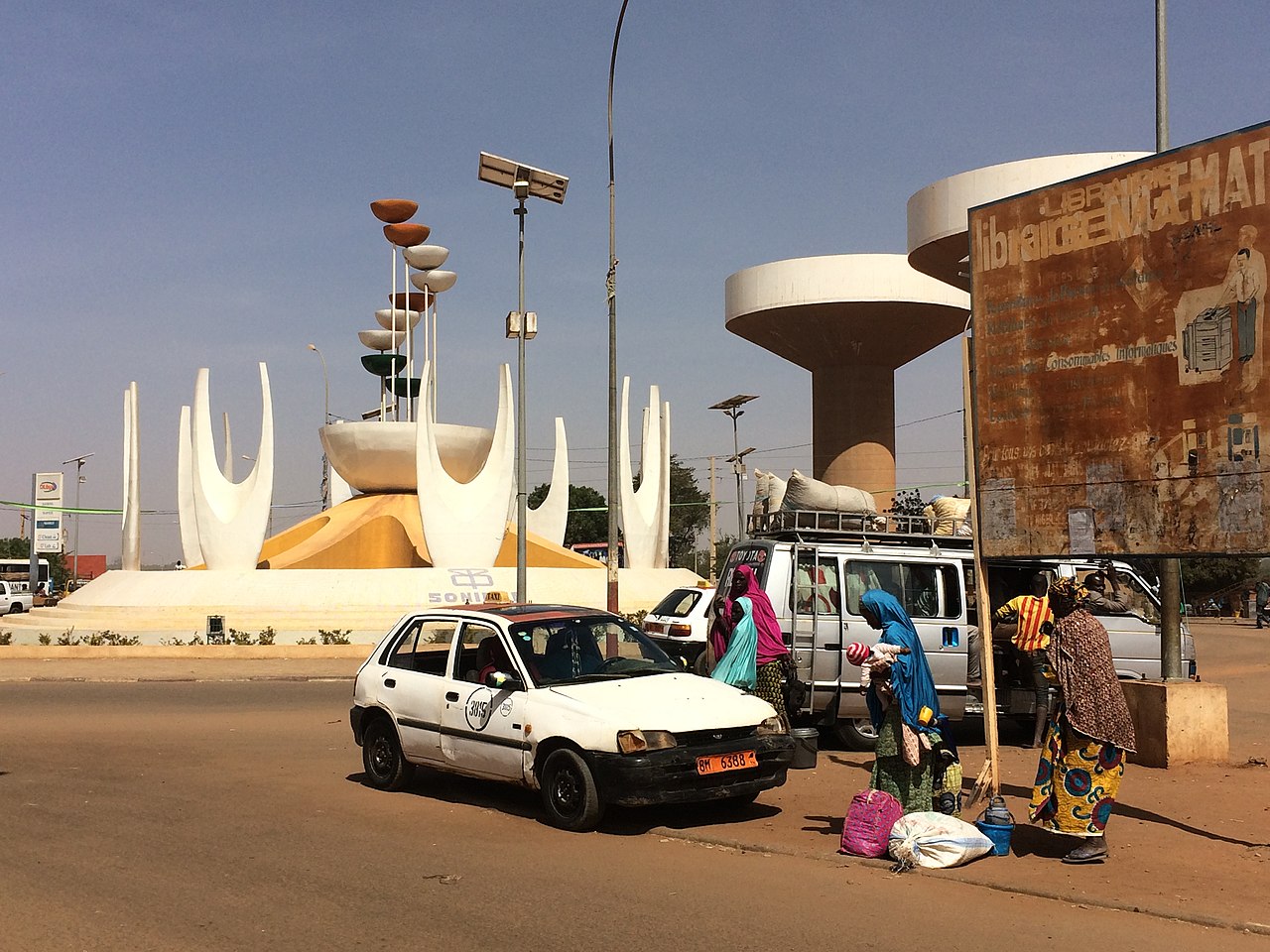
10 Images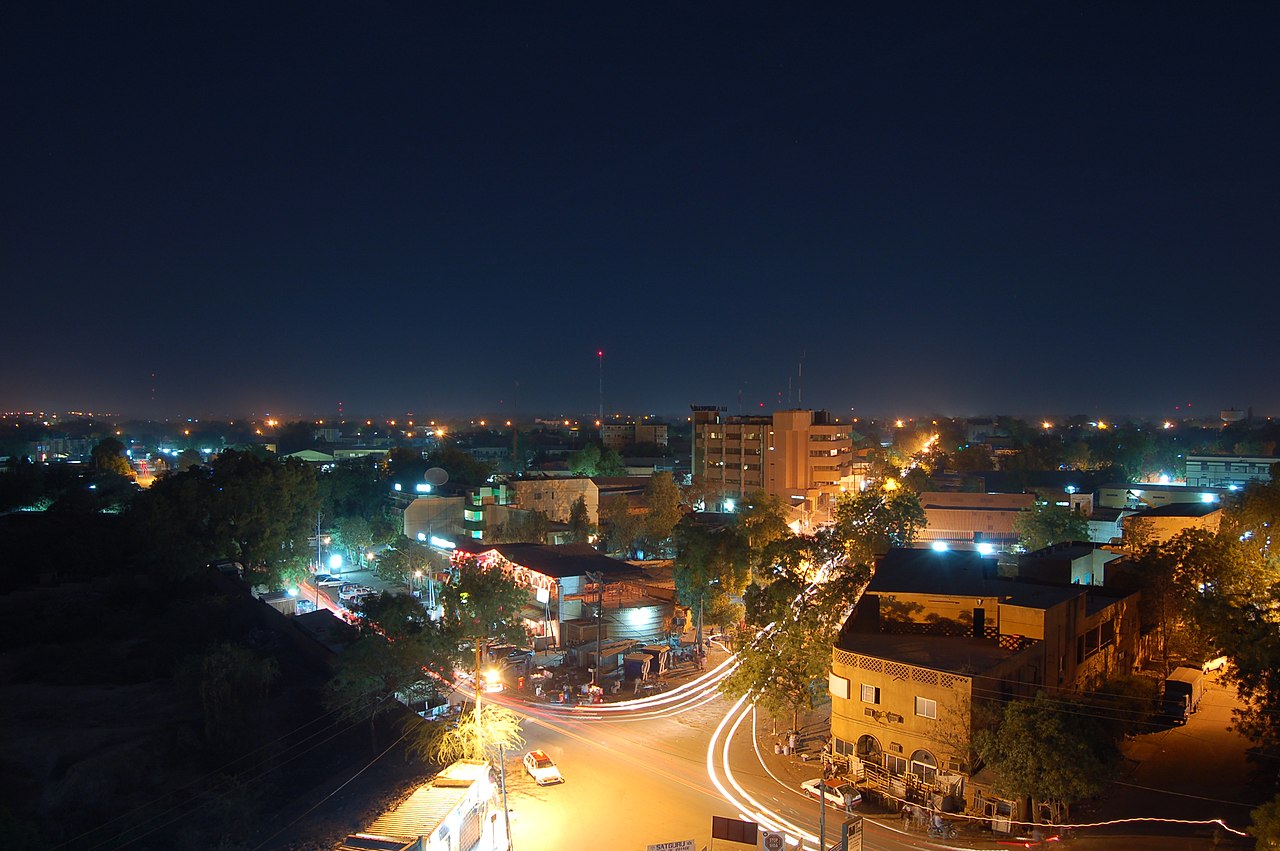



Geography and urban character
Niamey lies in the southern part of the country where the Sahel transitions toward more fertile riverine land. The river shapes the city’s layout: markets and neighborhoods concentrate along the riverfront, while administrative districts and newer residential suburbs spread outward. The climate is semi-arid with a short rainy season that supports small-scale agriculture and market gardening around the city.
Economy and industries
The city's economy blends public administration, services, trade and light manufacturing. Local commerce is centered on markets that handle grain, livestock and consumer goods. Manufacturing in Niamey includes a range of small and medium enterprises; notable sectors are manufacturing of building materials and crafts, especially bricks, ceramic goods, cement-related products, and textile weaving.
History and development
Originally a riverside settlement, Niamey expanded under French colonial rule when it was linked into administrative networks and transport routes. After Niger’s independence, the city developed as the seat of national government and attracted migration from rural areas. Infrastructure—roads, an international airport and public institutions—has grown unevenly with the pace of urban expansion.
Culture, institutions and significance
Niamey hosts national museums, cultural centers, universities and government ministries, making it the focal point for political life and cultural exchange. Regular markets, festivals and riverbank social life reflect Niger’s ethnic diversity. As the country’s major transport and economic node, Niamey plays a central role in national policy, commerce and education.
Notable facts and challenges
- The city’s riverside position gives it a strategic role in regional trade along the Niger River.
- Urban growth presents challenges in housing, basic services and sustainable water management.
- Efforts to develop local industry, such as bricks and ceramics, aim to boost employment and reduce dependence on imports.
For more detailed administrative, cultural or travel information, consult specialized sources and local government publications via official portals and regional guides (region, country, city references).
Questions and answers
Q: What is Niamey?
A: Niamey is the capital city of the African country of Niger.
Q: What is the population of Niamey?
A: The population of Niamey is 674,950 people.
Q: Where is Niamey located?
A: Niamey is located in Niger and it is on the Niger River.
Q: What is the significance of Niamey in Niger?
A: Niamey is the administrative, cultural and economic center of the country.
Q: What types of industries are present in Niamey?
A: Manufacturing industries in Niamey include bricks, ceramic goods, cement and weaving.
Q: Does Niamey produce any crops?
A: Yes, Niamey is located in a pearl millet growing region.
Q: What is the size of Niamey compared to other cities in Niger?
A: Niamey is the largest city in Niger.
Related articles
Author
AlegsaOnline.com Niamey: capital and largest city of Niger Leandro Alegsa
URL: https://en.alegsaonline.com/art/69914
Sources
- lesahel.org : Installation du Conseil de ville de Niamey et élection des membres : M. Oumarou Dogari Moumouni, élu maire de la ville de Niamey
- vrm.ca : Parcours migratoire des citadins et problème du logement à Niamey
- education.arm.gov : African researcher visits Oklahoma
- commons.wikimedia.org : Niamey