
Newgrange: Neolithic Passage Tomb, County Meath, Ireland
Newgrange is a Neolithic passage tomb in County Meath, Ireland, built c. 3200 BC. It is noted for its corbelled chamber, carved kerbstones, and winter solstice illumination, and forms part of the Brú na Bóinne complex.
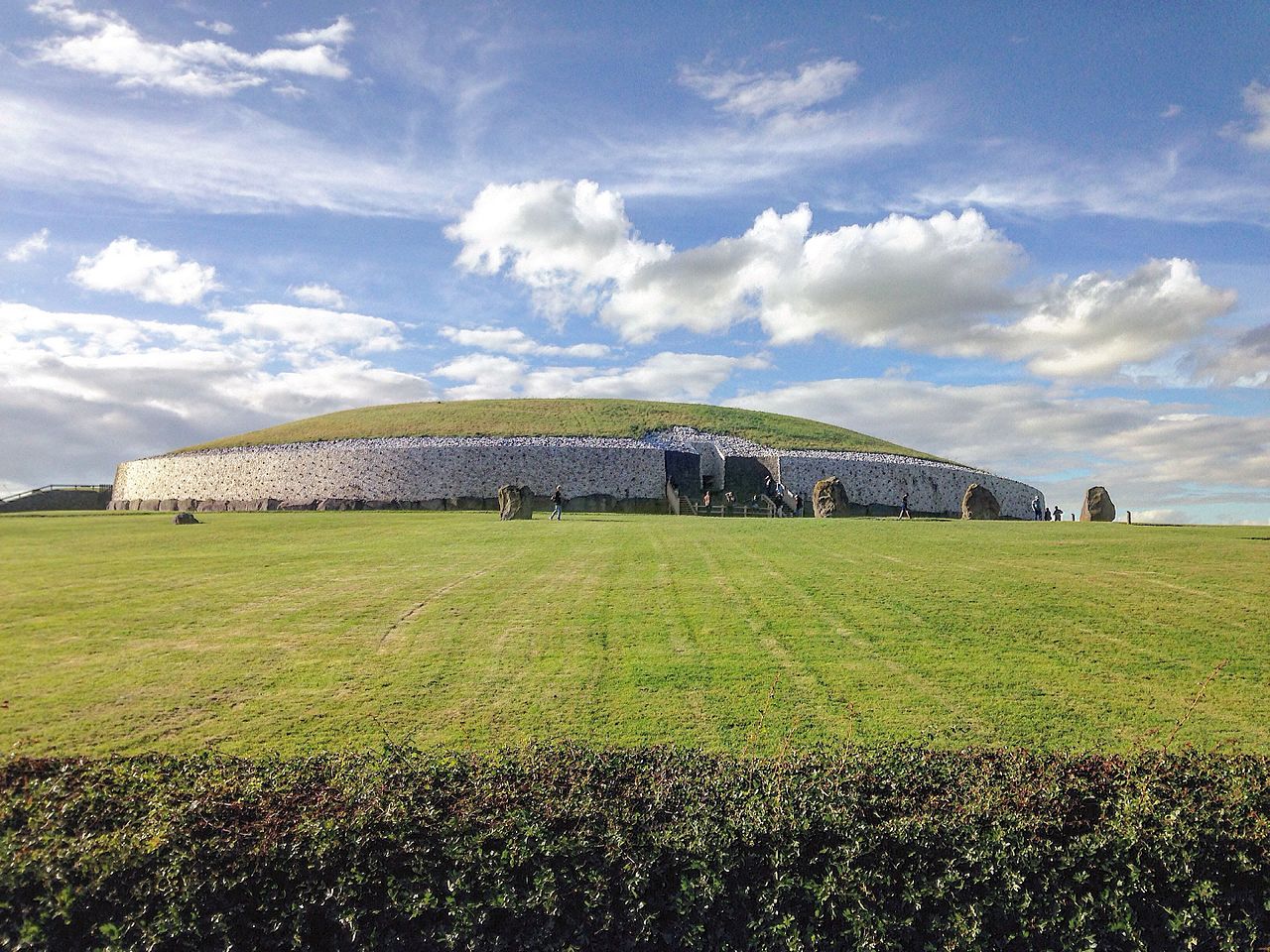
Newgrange is a major Neolithic passage tomb situated in County Meath in the Republic of Ireland. Built around 3200 BC, its large mound and internal stone chamber predate the principal phases of both Stonehenge and the Egyptian pyramids. The monument forms the most famous part of the Brú na Bóinne complex, a concentrated ritual landscape of tombs, henges and related features that is recognised as a UNESCO World Heritage Site.
Image gallery
10 Images



Location and landscape context
Newgrange stands on the north bank of the River Boyne within an extensive prehistoric landscape where multiple passage tombs and ancillary monuments cluster together. The siting of Newgrange takes advantage of the local topography and a broad river valley that would have been significant to the communities who built and used it. Surrounding monuments and earthworks indicate the site was part of long-term ritual and funerary activity in the Neolithic period.
Design, size and principal features
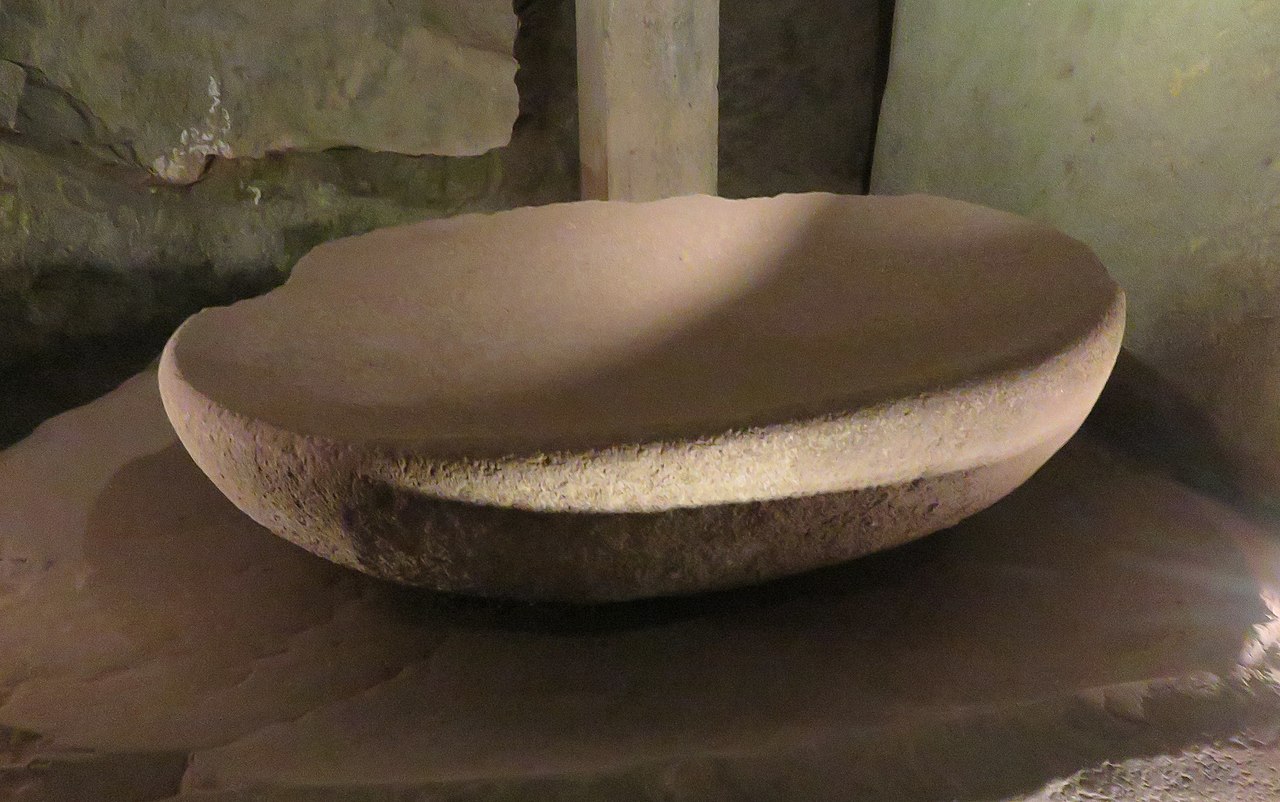
The mound is a distinctive, kidney-shaped earthen bank covering an area in excess of one acre and is encircled by 97 kerbstones. A straight passage about 19 metres long leads to a cruciform chamber with a corbelled stone roof that rises above ground level; the roofing technique produces a high, dry interior without mortar and has proved remarkably durable. Many of the large kerbstones and internal slabs are carved with abstract motifs such as spirals, lozenges and arcs, representative examples of prehistoric megalithic art.
Construction and organisation
Construction required transporting and setting large stones, shaping timber and earth, and arranging a precise internal plan; archaeologists infer a well-organised and sustained communal effort. Estimates of labour vary, but the scale of the work implies planning, technical skill and social coordination across generations. The preserved structural solutions demonstrate a sophisticated understanding of stone fitting, drainage and long-term stability.
Burial practice and archaeological finds
Excavations have shown that Newgrange was used for burial and ritual deposition. Excavators recovered cremated human remains and associated grave goods in the chamber and surrounding contexts, though the exact funerary practices remain a subject of interpretation. Finds of pottery, polished stone tools and traces of domestic activity in nearby enclosures help situate the tomb within a wider social and ceremonial landscape.
Solar alignment and the winter solstice
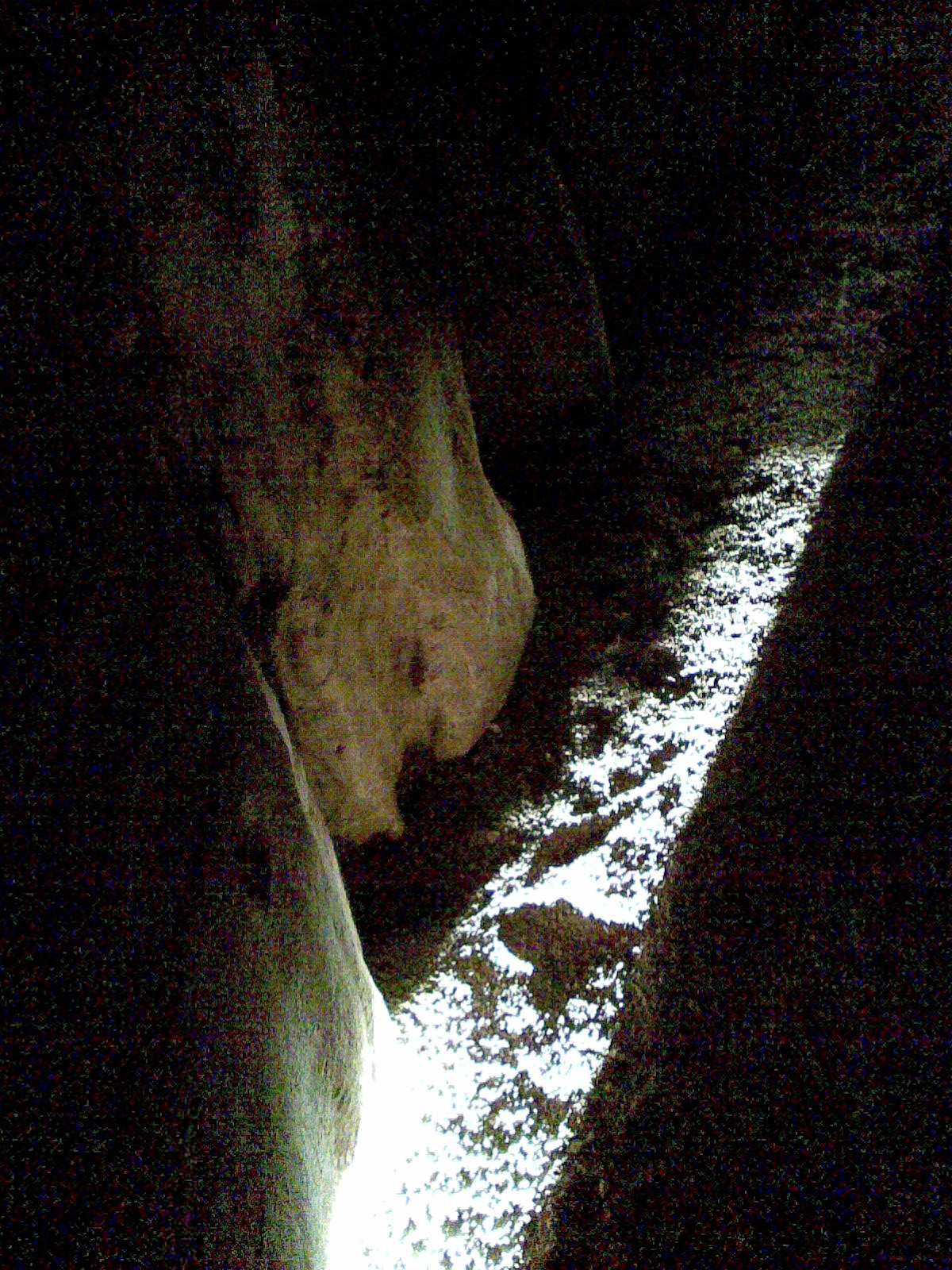
Newgrange is internationally known for its precise alignment with the rising sun at the winter solstice. A small opening, or roofbox, above the entrance admits a beam of sunlight that penetrates the passage and briefly illuminates the inner chamber at dawn around the shortest day of the year. The phenomenon lasts only a few minutes on the solstice and for a small number of mornings either side, and it has been the focus of modern visitor interest and longstanding cultural interpretation.
Conservation and public access
Conservation and visitor management aim to protect the fragile carved stones and the monument’s fabric while allowing public access and interpretation. The site is open to visitors by guided tour from the visitor centre; public access to stand inside the chamber at the winter solstice is limited and allocated by lottery each year via the Brú na Bóinne Visitor Centre. This arrangement helps minimise damage from footfall and preserves the site for future research.
Cultural significance and comparisons
Newgrange remains a prominent symbol of European prehistory and is often cited in discussions of Neolithic cosmology, art and social organisation. Its carved stones are considered some of the finest surviving examples of megalithic decoration in Ireland and beyond. In scale and complexity it is comparable to other major passage tombs in the region, and together they form an archaeological ensemble that provides insight into ritual life more than five millennia ago.
Visiting and further information
Practical details for visitors, guided tours and research resources are available through official channels and interpretation at the site. For orientation and local context, the visitor facilities provide information about opening hours, conservation measures and the lottery process for solstice access. For readers seeking additional background materials and site management information, consult published surveys, archaeological reports and the resources provided at the visitor centre and heritage authorities.
- Noted features: corbelled chamber, passage alignment, decorated kerbstones.
- Part of the Brú na Bóinne World Heritage Site and a key monument for Neolithic studies.
- Visitor access to the inner chamber at the winter solstice is limited and organised by lottery; practical details are managed by the site visitor centre (information and applications).
Questions and answers
Q: What is Newgrange?
A: Newgrange is a Megalithic Passage Tomb located in County Meath, Republic of Ireland.
Q: When was Newgrange built?
A: Newgrange was built about 3200 BC.
Q: What is the size of the kidney shaped mound at Newgrange?
A: The kidney shaped mound at Newgrange covers an area of over one acre.
Q: How many kerbstones surround the mound at Newgrange?
A: The mound at Newgrange is surrounded by 97 kerbstones.
Q: What happens during the winter solstice at Newgrange?
A: During the winter solstice at Newgrange, a shaft of sunlight shines through the roof box over the entrance and penetrates the passage to light up the chamber.
Q: How do people gain admission to the Newgrange chamber for the winter solstice sunrise?
A: Admission to the Newgrange chamber for the winter solstice sunrise is by lottery, and application forms are available at the Brú na Bóinne Visitor Centre.
Q: How many applications were submitted for the winter solstice sunrise at Newgrange in 2007?
A: For the 2007 draw, 28,106 applications were submitted.
Related articles
Author
AlegsaOnline.com Newgrange: Neolithic Passage Tomb, County Meath, Ireland Leandro Alegsa
URL: https://en.alegsaonline.com/art/69746
Sources
- knowth.com : "Knowth"