
New York City Hall
Historic seat of New York City government in Lower Manhattan. Built 1810–1812, it houses the Mayor's Office and City Council chambers and is a designated National Historic Landmark and city landmark.
Overview
New York City Hall stands at the heart of City Hall Park in the Civic Center of Lower Manhattan, serving as the symbolic and functional center of the city's municipal government. The building continues to host the office of the Mayor and the legislative chamber of the City Council, while other municipal agencies occupy nearby municipal buildings. Its continuous governmental role distinguishes it among American city halls as one of the oldest still used for its original purpose location details.
Image gallery
10 Images




Architecture and layout
The structure dates to the early 19th century and reflects period design principles adapted for an urban public building. The exterior presents a formal, balanced façade and a prominent central feature that anchors its appearance in the park setting. Inside, the building contains ceremonial rooms, offices for the mayor and other officials, and the council chamber where municipal legislation is debated. The combination of public spaces and working offices illustrates how a single civic building can serve representative, administrative, and ceremonial functions.
History and development
Constructed between 1810 and 1812, City Hall was erected during a time when New York was expanding rapidly as a commercial and political center. From its earliest years it was intended to be the seat of municipal authority. Over the centuries the building has survived alterations and restorations that attempted to preserve its historic appearance while accommodating the practical needs of a growing city. It is widely recognized for its longevity and continuous use as the city's municipal headquarters and is often cited as the oldest city hall in the United States still performing its original governmental functions historical note.
Use, organization, and nearby facilities
City Hall houses the Mayor's formal office and many of the chambers associated with city government. For practical reasons, much of the day-to-day staff from mayoral agencies are located in larger adjacent buildings such as the Manhattan Municipal Building, where administrative and operational teams are concentrated. The building therefore combines visible executive and legislative presences with a network of nearby municipal facilities that support governance Mayor's Office and governmental functions.
Protection and recognition
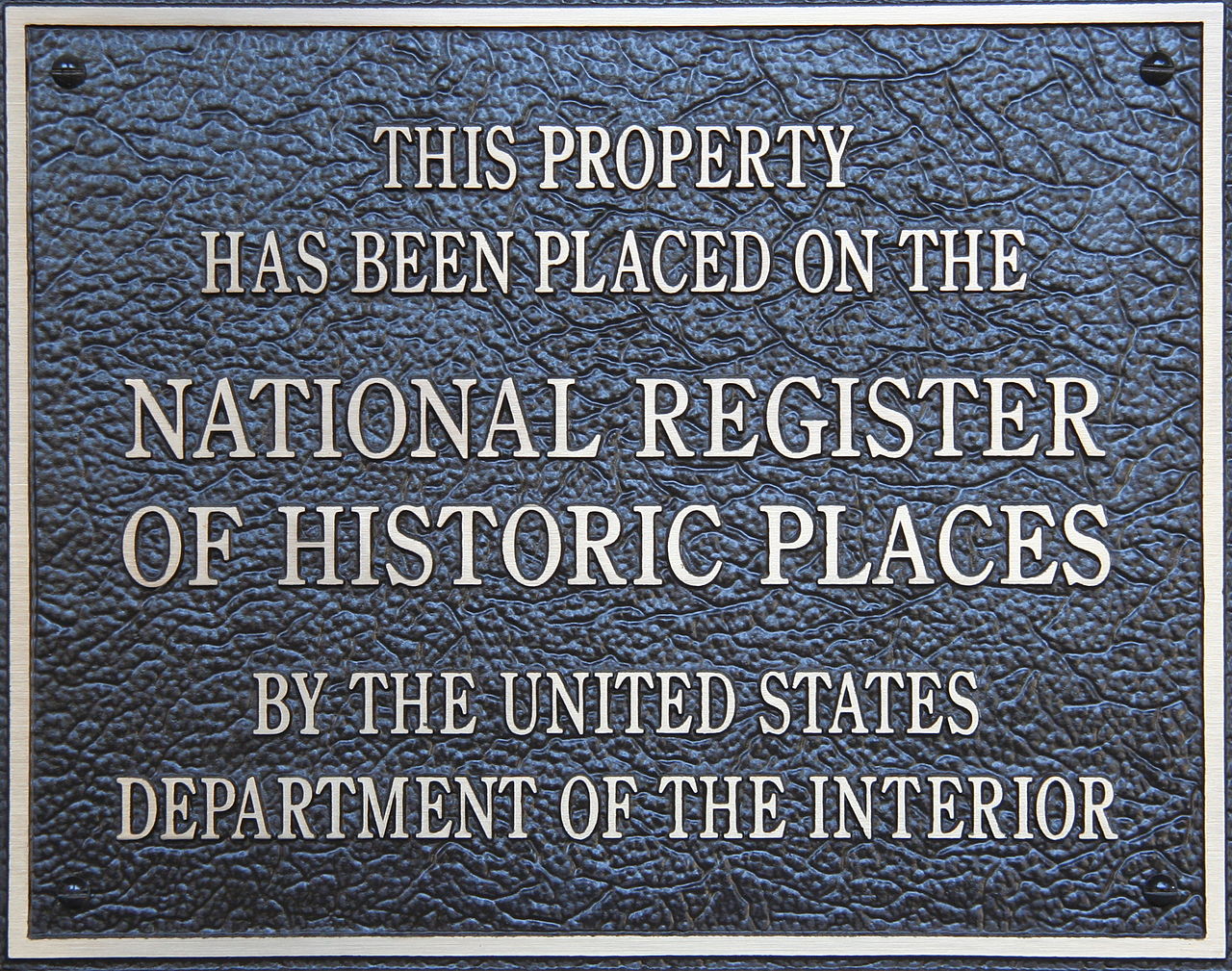
Because of its architectural and historical importance, the building has received multiple preservation designations. It is listed on the National Register of Historic Places and has been recognized as a National Historic Landmark, reflecting its value to the nation's built heritage. At the city level, both the exterior and the interior have been formally landmarked to safeguard character-defining features from unsympathetic alteration National Historic Landmark and NRHP listing.
Significance and notable facts
- The building's continuous use for municipal government makes it a rare example of preserved civic architecture in active public service notable status.
- It sits prominently within an urban park that frames the building and provides public open space in Lower Manhattan park location.
- While ceremonial offices remain inside, many supporting municipal staff work in larger adjacent facilities to meet modern operational needs Mayoral context.
- Its landmark protections at local and national levels help guide restoration and public-access decisions landmark status, official register.
New York City Hall combines historical resonance with ongoing civic use. As an architectural landmark and active seat of municipal authority, it remains both a tangible link to the city's past and a working center for contemporary government.
Questions and answers
Q: Where is New York City Hall located?
A: New York City Hall is located in the Civic Center area of Lower Manhattan at the center of City Hall Park.
Q: Is New York City Hall the oldest city hall in the United States?
A: Yes, New York City Hall is the oldest city hall in the United States that still houses its original governmental functions.
Q: What are some of the functions of New York City Hall?
A: New York City Hall has the office of the Mayor of New York City and the chambers of the New York City Council.
Q: Where are the staff of thirteen municipal agencies under mayoral control located?
A: The staff of thirteen municipal agencies under mayoral control are located in the nearby Manhattan Municipal Building.
Q: When was New York City Hall built?
A: New York City Hall was built from 1810 to 1812.
Q: Is New York City Hall a National Historic Landmark?
A: Yes, New York City Hall is a National Historic Landmark.
Q: Is New York City Hall listed on the National Register of Historic Places?
A: Yes, New York City Hall is listed on the National Register of Historic Places.
Related articles
Author
AlegsaOnline.com New York City Hall Leandro Alegsa
URL: https://en.alegsaonline.com/art/69647
Sources
- nytimes.com : "The Reporters of City Hall Return to Their Old Perch"
- npgallery.nps.gov : "National Survey of Historic Sites and Buildings: New York City Hall"