
New Musical Express (NME)
New Musical Express (NME) is a British music publication founded in 1952, known for charts, reviews, artist coverage and influence on indie, rock and pop culture; it now operates mainly online.
Overview
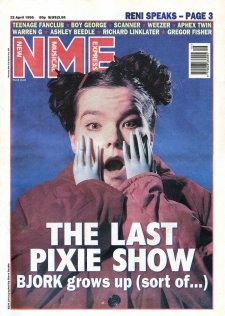
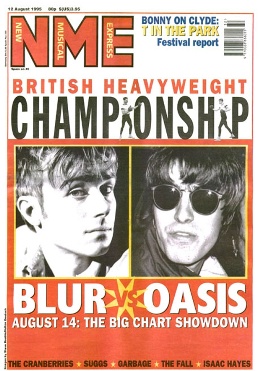
New Musical Express, widely known by its abbreviation NME, is a British music publication that rose to prominence for its coverage of popular, rock and independent scenes. Launched in 1952 as a weekly title, it combined news, reviews and photography to chronicle developments across the music world. The magazine played a notable role in promoting emerging acts and shaping public conversations around popular culture.
Image gallery
5 Images


Format and content
NME has historically offered a mix of features: news briefs, album and single reviews, long-form interviews, columns, and photo spreads. It also produced charts and lists that tracked record sales and popularity. Its editorial emphasis often leaned toward the alternative and independent music scenes while remaining engaged with mainstream pop and rock. The publication is commonly referred to as a magazine though its presentation and frequency have changed over time.
History and development
From its foundation in the early 1950s, NME distinguished itself by publishing a singles chart and by providing timely coverage of British and international acts. Over the decades it adapted to changing media landscapes: maintaining a weekly printed edition for many years, experimenting with free distribution and, in the 2010s, shifting much of its focus to digital publishing and social platforms while continuing special print projects.
Influence and notable activities
NME helped launch and sustain careers by offering early exposure to new artists and by setting critical agendas. It ran cultural events and awards that celebrated both popular and alternative talent. Critics and readers have often looked to NME for influential lists, end-of-year roundups and investigative pieces about the music industry.
Distinctions and legacy
- One of the first British outlets to publish a singles chart, helping standardize how popularity was measured.
- Served as a platform for music journalism that mixed consumer interest with cultural criticism.
- Adapted from a traditional weekly print title in the United Kingdom to a modern multimedia brand with a strong online presence.
Today NME remains a reference point in music coverage: its archives document decades of change in sounds, business models and fandoms, while its contemporary output focuses on new talent, features, reviews and multimedia storytelling.
Questions and answers
Q: What is the New Musical Express?
A: The New Musical Express (NME) is a music magazine in the United Kingdom that mainly covers Indie and pop music.
Q: How long has the NME been publishing?
A: The NME has been publishing every week since March 1952.
Q: Was the NME the first British magazine to publish a singles chart?
A: Yes, the NME was the first British magazine to include a singles chart.
Q: Which genres of music does the NME specialize in?
A: The NME primarily focuses on Indie and pop music.
Q: What type of publication is the NME?
A: The NME is a weekly music magazine that covers music news, reviews, interviews, and features.
Q: How long has the NME been in existence?
A: The NME has been in existence for over 60 years, since it was first published in March 1952.
Q: What is the significance of the NME including a singles chart?
A: The NME was the first British magazine to include a singles chart, which made it an important publication in the music industry and helped to shape the industry as we know it today.
Related articles
Author
AlegsaOnline.com New Musical Express (NME) Leandro Alegsa
URL: https://en.alegsaonline.com/art/69576