
New General Catalogue (NGC): Catalogue of Nebulae, Star Clusters and Galaxies
A comprehensive overview of the New General Catalogue (NGC): its purpose, contents, history, common uses, and the known errors and revisions that shaped modern deep‑sky identification.
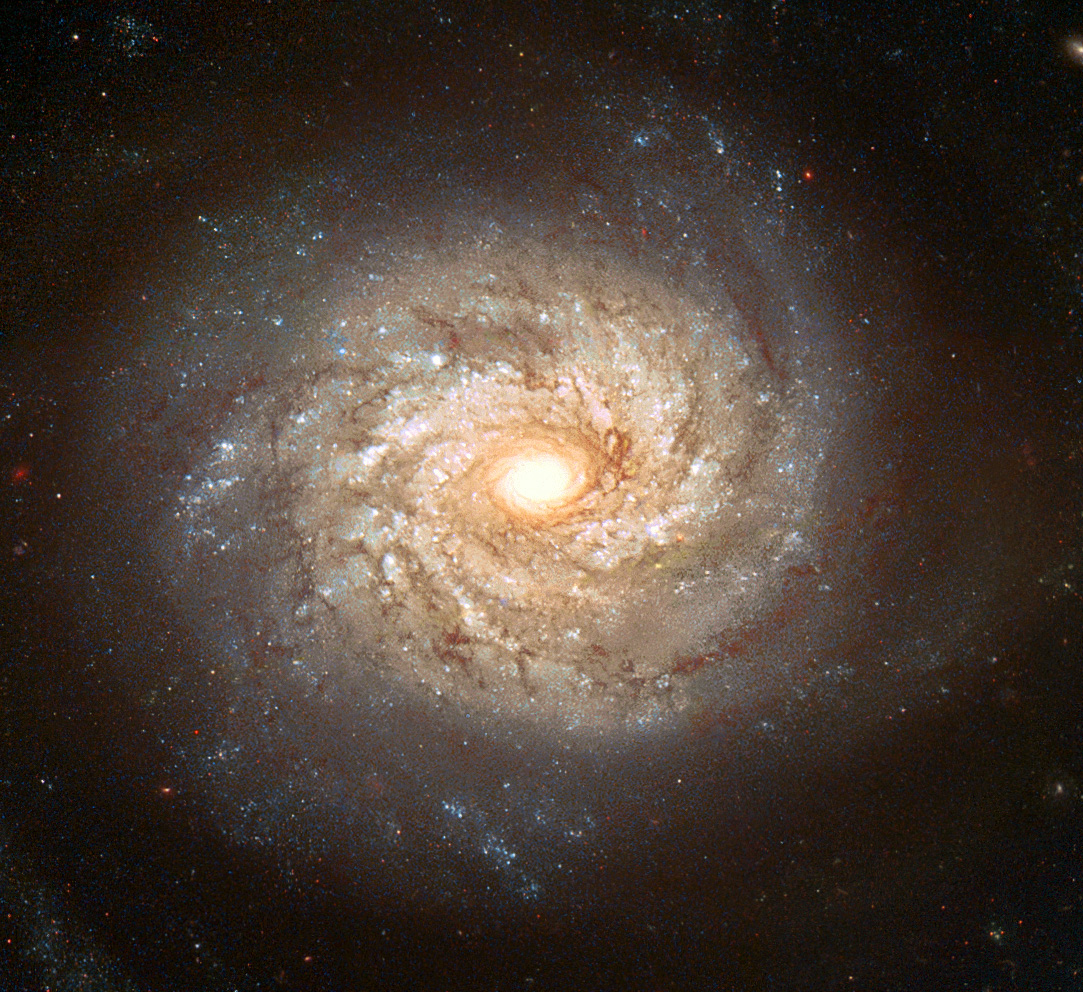
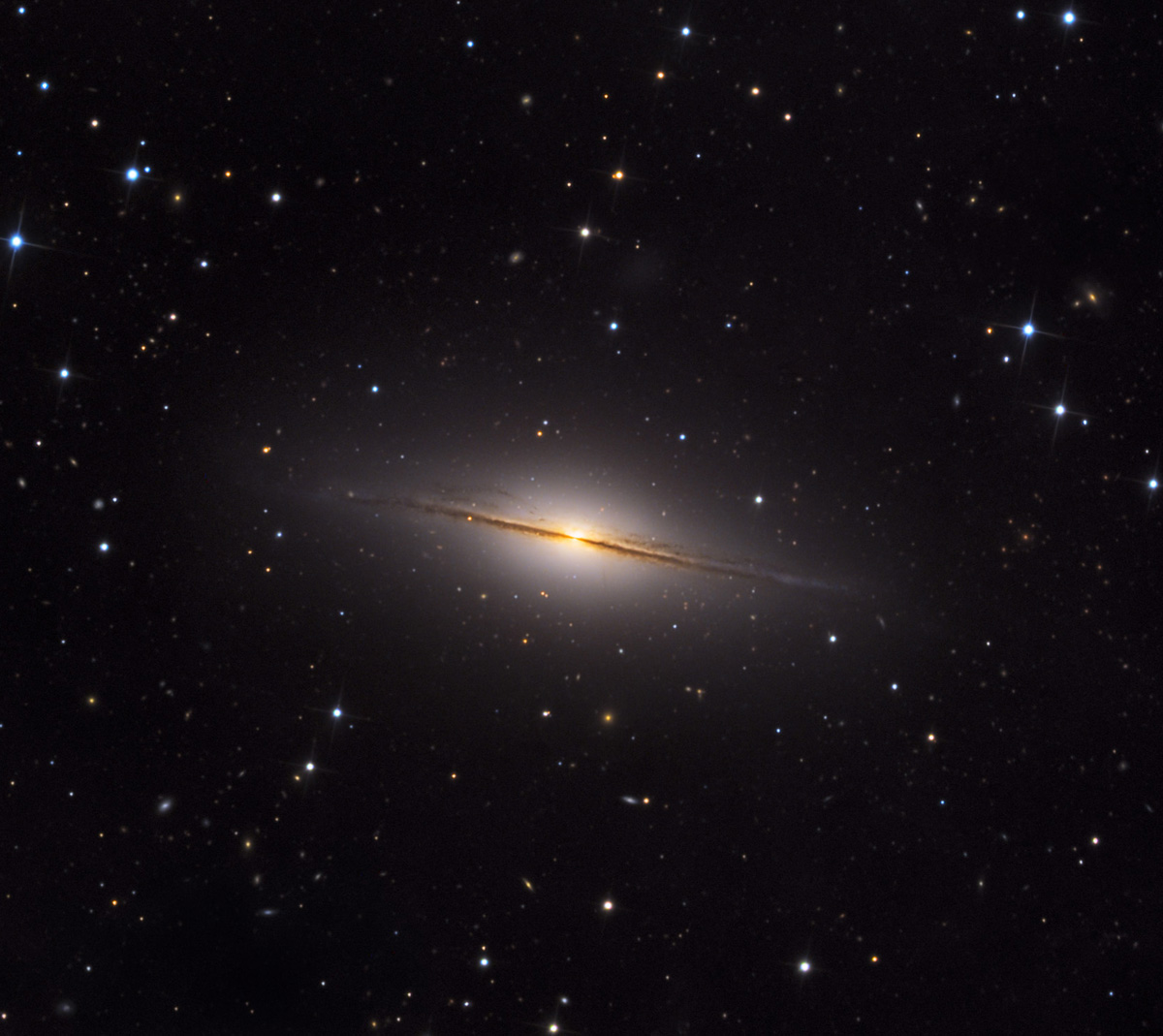
The New General Catalogue (NGC) is a landmark 19th‑century compilation of deep‑sky objects—galaxies, star clusters and nebulae—still widely used by astronomers and observers today. Compiled and published in 1888 by John Louis Emil Dreyer, the catalogue assigns NGC numbers to individual objects and remains one of the most commonly cited lists for identifying targets outside the Solar System. Although constructed from visual telescope observations of the era, its identifiers persist in modern astronomy and popular star charts.
Image gallery
7 Images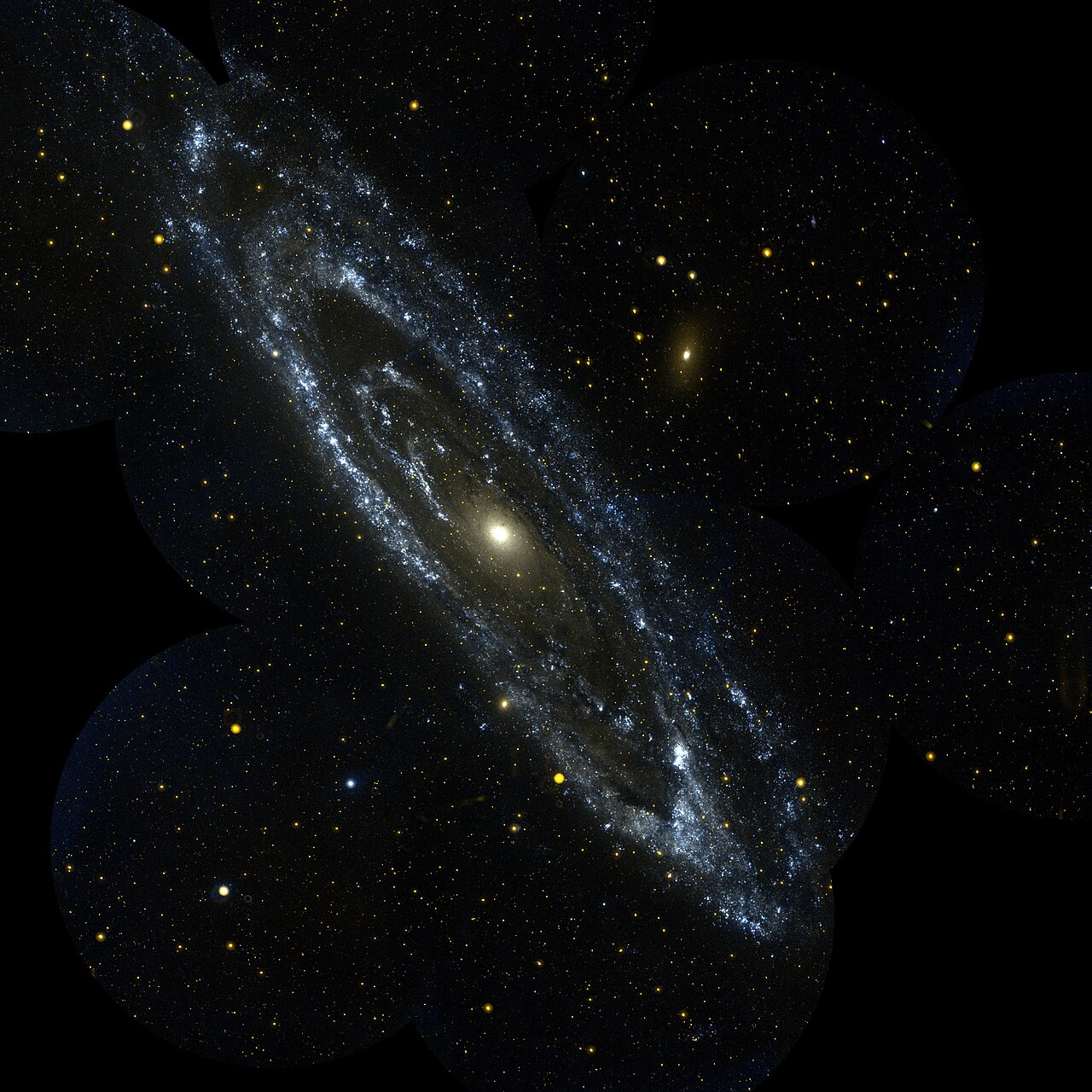


What the NGC contains and how it is organized
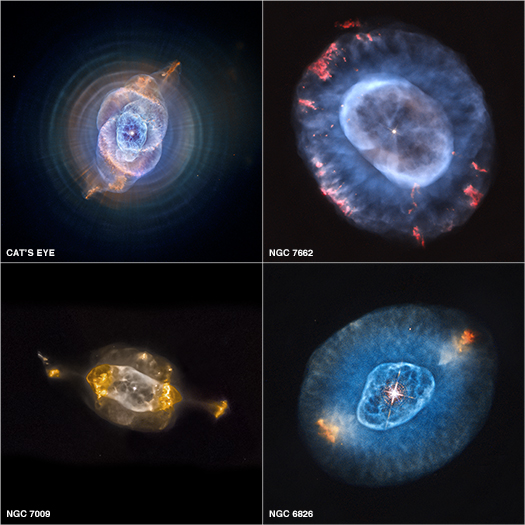
The NGC lists several thousand entries (commonly cited as 7,840) that represent a mixture of object types and observational records. Each entry includes a position, a short description, and occasional notes on appearance or discovery circumstances. The catalogue does not use a strict modern classification system; instead entries reflect the observational language of the 19th century. Because the list was built from many different observers, it includes a range of object types such as open and globular clusters, emission and reflection nebulae, planetary nebulae and galaxies of many shapes.
Origins and historical development
Dreyer compiled the NGC by gathering observations published by earlier astronomers and recent discoveries of his time. Major contributors to the data include surveys and discoveries made by William Herschel and his son, plus observations by other notable observers working in Europe and the southern hemisphere. Much of the southern sky material came from the expeditions and observing programmes of John Herschel. After the initial NGC, two later supplements known as the Index Catalogues (IC I and IC II) added roughly five thousand further objects and extended the original work.
Uses, importance and modern context
The NGC remains central for amateur astronomy and outreach; many telescopes, star charts and software continue to use NGC identifiers as a compact way to refer to deep‑sky targets. For professional work the NGC is often cross‑referenced against modern surveys and catalogues that provide precise coordinates, spectral data and digital imagery. Amateur observers commonly use NGC numbers when planning observing sessions, writing observing logs, or participating in visual surveys and public star parties. The catalogue therefore bridges historical observations and contemporary practice in a practical way for observers of all levels (amateur astronomy).
Errors, revisions and notable issues
Because the NGC was assembled from differing sources and visual observations, it contains mistakes such as typographical errors, incorrect positions, duplicate listings of the same object under different numbers, and occasional misidentifications. These problems have been studied and corrected in subsequent works and revised editions produced in the 20th century; one such effort is commonly referred to as the Revised New General Catalogue (RNGC), which attempted to reconcile many inconsistencies. Modern cataloguing efforts instead rely on high‑precision surveys and databases that map NGC entries to accurate coordinates and images.
Practical notes and typical targets
- Many popular observing targets are known by their NGC designations; star charts and planetarium programs will list these alongside other names.
- When using historical catalogues, cross‑checking an NGC entry with a modern database or atlas helps avoid misidentification caused by old positional errors.
- Multiple catalogues and cross‑reference lists exist to connect NGC numbers with Messier, IC and more recent survey identifiers.
The NGC is therefore both a historical document and a living reference: it preserves the observational legacy of 19th‑century astronomy while continuing to serve as a practical index for locating and discussing galaxies, clusters and nebulae. For deeper research or observing preparation, cross‑references and modern digital images are recommended to supplement the original NGC descriptions. See original discoverers such as William Herschel and the southern sky work of John Herschel for background on many entries, and consult modern catalogues or databases to confirm precise positions and identifications.
Questions and answers
Q: What is the New General Catalogue?
A: The New General Catalogue is a list of stars, nebulae, and galaxies, abbreviated NGC, created by John Louis Emil Dreyer in 1888.
Q: How many objects are on the New General Catalogue?
A: The New General Catalogue has 7,840 objects on it.
Q: What are the objects called on the New General Catalogue?
A: The objects on the New General Catalogue are called "NGC objects".
Q: Who made most of the observations that were rewarded in the New General Catalogue?
A: Most of the observations rewarded in the New General Catalogue were made by William Herschel and his son.
Q: How were the New General Catalogue expanded?
A: The New General Catalogue was expanded by the known catalogue Index Catalogues I and II, adding about 5000 new objects.
Q: Which hemisphere's objects are less studied than the other hemisphere's objects?
A: South Hemisphere objects are less studied than North Hemisphere objects.
Q: Were there mistakes in the New General Catalogue?
A: Yes, there were mistakes in the New General Catalogue that were corrected in a special revised edition called RNGC.
Related articles
Author
AlegsaOnline.com New General Catalogue (NGC): Catalogue of Nebulae, Star Clusters and Galaxies Leandro Alegsa
URL: https://en.alegsaonline.com/art/69515
Sources
- ngcicproject.org : "The NGC/IC Project"
- freestarcharts.com : "NGC/IC Free Star Charts"