
Neukölln — a diverse Berlin borough undergoing change
Neukölln is a densely populated, multicultural borough in southeastern Berlin, known for its history as Rixdorf, strong immigrant communities, lively street life, and ongoing social and economic transformation.
Neukölln is a borough of Berlin known for its dense, multicultural neighbourhoods and ongoing social change. It covers about 44.93 km² (roughly 17.3 sq mi) and had around 300,000 residents in the early 21st century (population data). The area has long hosted large immigrant communities and a lively street life; a notable borough mayor in recent years was Heinz Buschkowsky of the SPD.
Image gallery
10 Images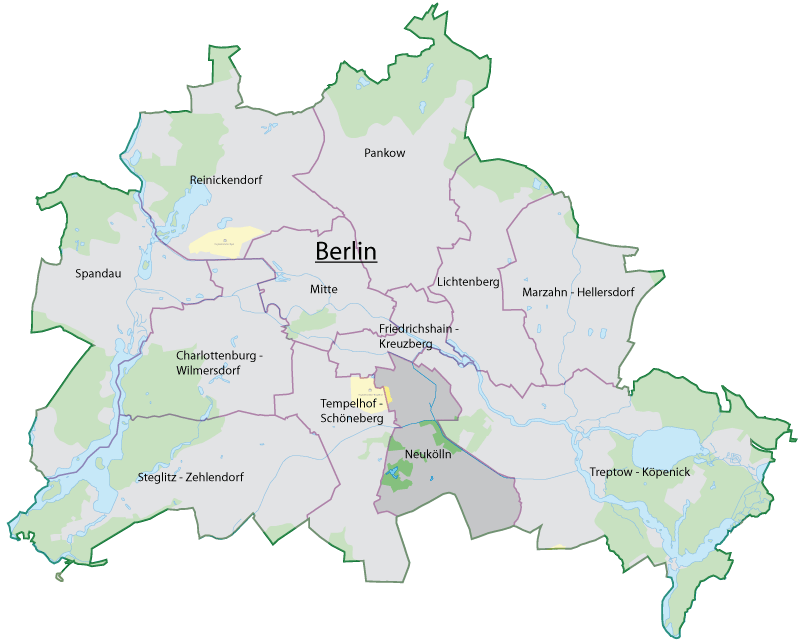





Overview and character
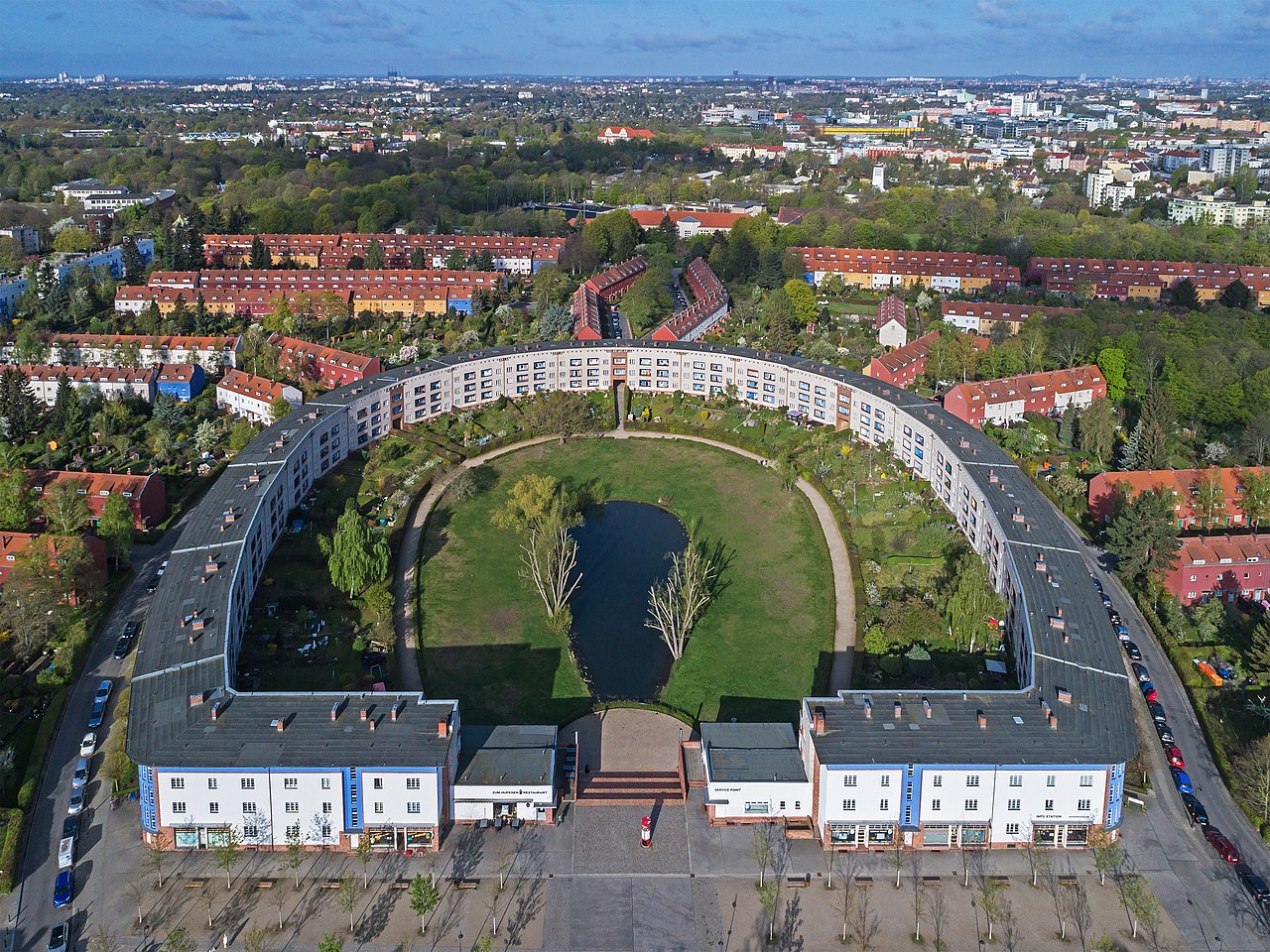
Neukölln combines inner-urban streets, small businesses and markets with quieter residential districts and parks. Its northern parts are more tightly built and have become known for cafés, bars, galleries and a growing creative scene. To the south there are larger green spaces and allotment gardens, producing a varied urban fabric and everyday life.
History and development
The borough grew from the older settlement known as Rixdorf and expanded with industrialisation and Berlin's growth in the late 19th and early 20th centuries. Throughout the 20th century it was largely working-class; from the 1990s onward some neighbourhoods experienced cultural renewal and rising interest from artists, students and new businesses, a process that has also brought debates about rising rents and social change.
Administrative divisions and transport
Neukölln contains several localities, including Neukölln proper, Britz, Buckow and Rudow. Public transport links connect the borough with the rest of the city through Berlin's rapid transit network and many bus routes. Major squares and streets act as local hubs for commerce and services, and the borough is closely integrated with neighbouring districts.
Demographics, politics and economy
The population is culturally diverse, with long-established communities originating from Turkey, the Middle East, Eastern Europe and elsewhere. Economically the borough supports many small and family-run businesses, service industries and an increasing number of cultural and creative enterprises. Local politics often focus on housing, integration and social services.
Culture, issues and notable facts
- Neukölln is frequently discussed in relation to gentrification: changes in rents and the local retail landscape have altered some neighbourhoods.
- The area is culturally vibrant, with markets, community centres, independent venues and a wide variety of restaurants and cafés reflecting its multicultural population.
- Its mixture of urban intensity and quieter residential areas makes Neukölln representative of broader patterns of change in Berlin.
For official information and local services consult the borough page at Neukölln borough and general resources about Berlin. Further area and demographic references are available at the linked area data and population figures.
Questions and answers
Q: What is Neukölln?
A: Neukölln is a borough of Berlin.
Q: How big is Neukölln?
A: Neukölln has an area of 44.93 km2 (17.3 sq mi).
Q: How many inhabitants does Neukölln have?
A: As of 2003, Neukölln has about 307,400 inhabitants.
Q: Does Neukölln have a high percentage of foreigners?
A: Yes, Neukölln has one of the highest percentage of foreigners in Berlin.
Q: Who is the current mayor of Neukölln?
A: The current mayor of Neukölln is Heinz Buschkowsky (SPD).
Q: What political party is Heinz Buschkowsky from?
A: Heinz Buschkowsky is from the SPD, which stands for the Social Democratic Party of Germany.
Q: Are there any other notable things about Neukölln?
A: The text does not mention any other notable things about Neukölln.
Related articles
Author
AlegsaOnline.com Neukölln — a diverse Berlin borough undergoing change Leandro Alegsa
URL: https://en.alegsaonline.com/art/69334