
NetBSD: a portable, permissively licensed Unix-like operating system
NetBSD is a free, open-source BSD-derived Unix-like OS prized for portability, clean design and permissive BSD licensing. It supports many hardware platforms and is used in servers, appliances and research.
NetBSD is a free and open-source Unix-like operating system derived from the Berkeley Software Distribution (BSD) family. It emphasizes portability, code clarity, and a permissive development model. The project distributes a complete operating system — kernel and userland — and is maintained by a global community. For official resources and downloads see the NetBSD project pages.
Image gallery
5 Images


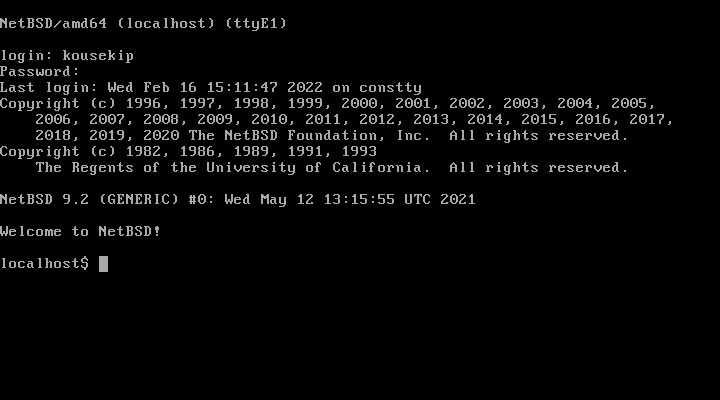
Core characteristics
Portability is the project's defining trait: NetBSD runs on a very wide range of processors and systems, from small embedded ARM devices to large 64-bit amd64 servers and many other architectures in between. Its design separates machine-dependent code from machine-independent components, which makes adding support for new hardware relatively straightforward. NetBSD is also known for a compact, consistent codebase that favors correctness and maintainability.
Other common descriptions of NetBSD highlight security, stability, and performance. The project provides sensible default security practices and a conservative development approach that emphasizes reliability for long-lived systems. NetBSD includes a mature package collection called pkgsrc that simplifies installation and management of third-party applications across supported platforms.
History and development
NetBSD began in the early 1990s as an effort to produce a clean, portable BSD release that could run on many different machines. Over the years the project developed tools and conventions for supporting diverse architectures and created infrastructure for coordinated development, releases, and ports. The source tree and release engineering have evolved but remain focused on clarity, portability, and a relatively small, cohesive core.
Typical uses and examples
- Embedded and appliances: NetBSD's small footprint and broad architecture support make it suitable for routers, IoT gateways, and specialized appliances, including many ARM-based boards (ARM).
- Servers and workstations: Its stability and conservative approach fit server deployments on modern amd64 systems and other platforms.
- Research and education: The clean design and readable codebase make NetBSD a useful operating system for teaching operating systems and for prototype research projects.
- Cross-platform package management: The pkgsrc system allows the same package collection to be used on NetBSD and other Unix-like systems, easing software distribution (pkgsrc and related software).
License, community and distinctions
NetBSD is distributed under permissive BSD-style licenses, which allow reuse, modification, redistribution, and incorporation into proprietary products while preserving copyright notices and license text. This contrasts with copyleft licenses that require derived works to remain open source. The permissive terms have encouraged commercial and academic adoption as well as redistribution in embedded products.
The project is part of the broader BSD family of operating systems and shares many principles with other Unix derivatives (Unix-like operating systems). Notable technical additions developed in the NetBSD community include portability tooling and lightweight kernel components used in diverse contexts, such as rump kernels for running drivers and kernel services in user space.
NetBSD remains maintained by a volunteer community and is suitable for users who value portability, a permissive licensing model, and a minimal, well-organized operating system design. For downloads, documentation and project information, consult the official resources linked from the project site (NetBSD official site) and related documentation mirrors.
Questions and answers
Q: What is NetBSD?
A: NetBSD is an open source version of the Unix-derivative BSD computer operating system.
Q: What is NetBSD known for?
A: NetBSD is known for being very portable, fast, secure and stable.
Q: What kinds of computers is NetBSD able to work with?
A: NetBSD is able to work with many kinds of computers, such as a small ARM or big amd64 Opteron computers.
Q: What license does NetBSD use?
A: NetBSD uses the BSD license.
Q: What can people do with NetBSD according to the BSD license?
A: People can use, change, give away or sell NetBSD as long as they do not take away the copyright notice and license text.
Q: Do people have to give people the source code when using NetBSD?
A: No, people don't have to give people the source code when using NetBSD.
Q: How is NetBSD different from other software?
A: NetBSD is different from other software because people must agree to a license when using it, which allows them to use, change, give away or sell NetBSD without having to give people the source code.
Related articles
Author
AlegsaOnline.com NetBSD: a portable, permissively licensed Unix-like operating system Leandro Alegsa
URL: https://en.alegsaonline.com/art/69257