
Neolithic British Isles (c. 4000–2500 BC)
Prehistoric period c.4000–2500 BC when farming, polished stone tools and large monuments spread across Great Britain, Ireland, the Isle of Man and surrounding islands.
Overview
The Neolithic period in the British Isles describes a major social and economic transformation when people began to farm, keep animals and build enduring monuments. Dated roughly from about 4000 BC to 2500 BC, this era follows the mobile hunter-gatherer populations of the earlier Mesolithic and is the final phase of the Stone Age in these islands.
Image gallery
10 Images




Key characteristics
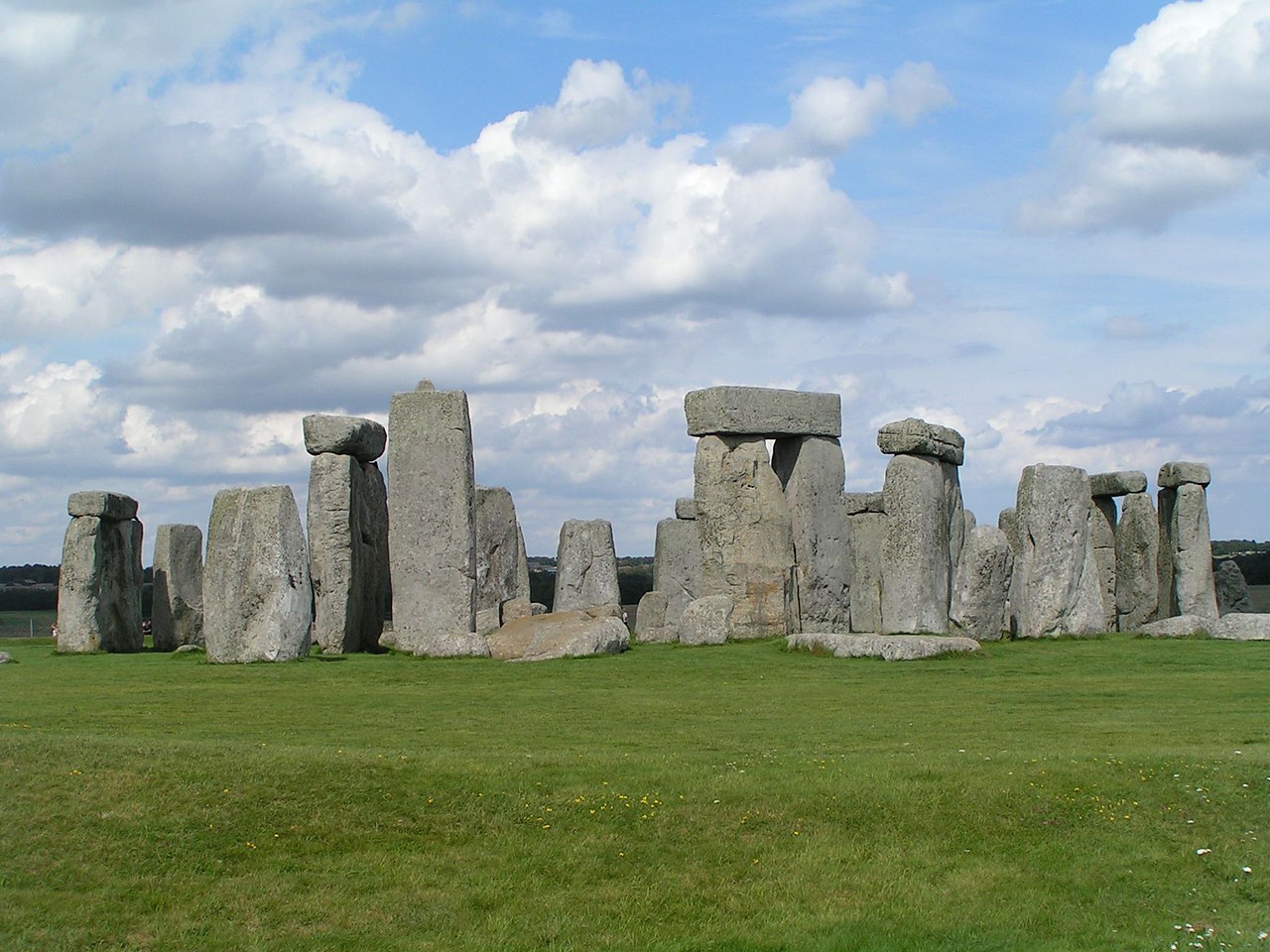
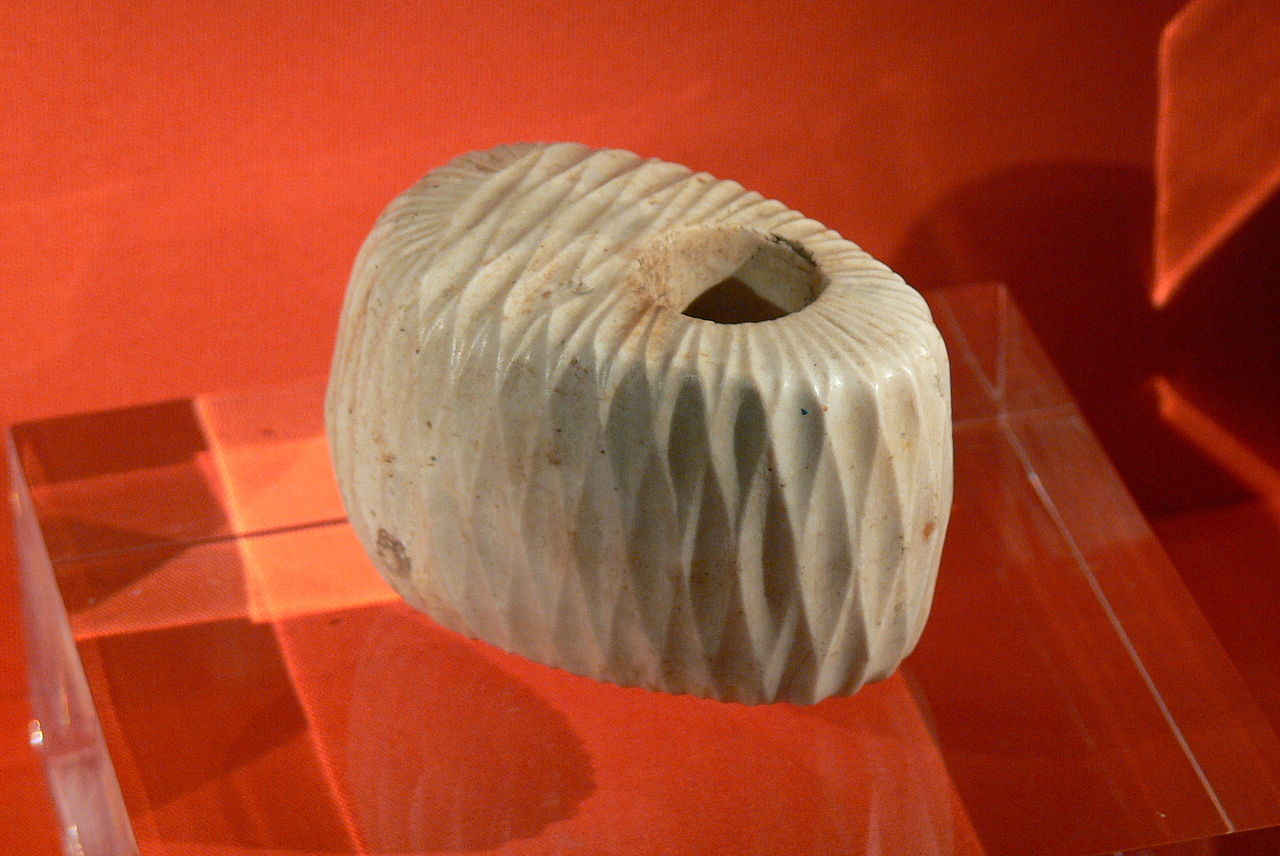
Neolithic communities practiced agriculture and animal husbandry, used polished stone tools and produced new pottery types. Settlements ranged from small farmsteads to larger nucleated sites. Archaeologists also identify ritual and funerary landscapes marked by long barrows, chambered tombs, henges and alignments of large stones.
- Monuments: chambered cairns, henges, megalithic tombs and causewayed enclosures.
- Technology: polished axes, ground stone tools and basic pottery.
- Economy: cereal cultivation, livestock such as cattle and sheep, and managed woodland clearance.
Origins and spread
The shift to farming appears to have arrived through contacts with continental Europe. New crops, animal breeds and artefact styles spread to communities in what is now Great Britain, Ireland and many smaller islands including the Isle of Man. These changes took place over centuries and varied regionally, producing distinctive local traditions in material culture and monument design.
Society, ritual and remains
Evidence of social organization includes communal burial practices and labour-intensive construction projects that imply coordinated groups—sometimes called tribes in older literature—rather than isolated families. Ritual activity often centered on carefully placed tombs and enclosures, forming enduring landscapes of memory and social identity.
Archaeology and significance
Research relies on excavations, artefact study and dating techniques such as radiocarbon analysis. The Neolithic left a visible legacy: many surviving monuments shaped later myths, influenced land use patterns and provide key insights into how prehistoric communities adapted to new lifeways. Study of this period helps explain the origins of settled life in the British Isles and the development of later Bronze Age societies.
Notable facts and distinctions
Regional variation is a hallmark: the layout of tombs and ceremonial sites differs markedly between northern islands and southern lowlands, reflecting local resources and cultural choices. While monumental architecture is well known, everyday Neolithic life is reconstructed from house remains, field systems and botanical remains that reveal diets and environmental impact.
For additional summaries or site-specific overviews see general references and curated archaeological resources: Neolithic summary, regional overviews, social structure, Great Britain sites, Ireland sites, Isle of Man archaeology and Stone Age context.
Questions and answers
Q: During what time period were the tribes living in the British Isles?
A: They were living in the British Isles from about 4000 BC to 2,500 BC.
Q: What kind of remains did these tribes leave behind in the British Isles?
A: They left stone monuments and other remains.
Q: Where were the stone monuments and other remains left by the tribes located?
A: They were located in Great Britain, Ireland, the Isle of Man, and many other islands.
Q: What was the Neolithic British Isles?
A: The Neolithic British Isles was the last part of the Stone Age in the British Isles.
Q: When did the Neolithic period take place in the British Isles?
A: The Neolithic period took place from about 4000 BC to 2,500 BC.
Q: What distinguishes the Neolithic British Isles period from other periods of the Stone Age?
A: The Neolithic British Isles period is distinguished as the last part of the Stone Age in the British Isles.
Q: What kind of people lived in the British Isles during the Neolithic British Isles period?
A: The Neolithic British Isles period was characterized by tribes living in the British Isles.
Related articles
Author
AlegsaOnline.com Neolithic British Isles (c. 4000–2500 BC) Leandro Alegsa
URL: https://en.alegsaonline.com/art/69143