
NCAA Division II — U.S. college athletics division
Overview of NCAA Division II: its purpose, characteristics, typical conferences, scholarship policy, history, championship structure, and how it differs from Divisions I and III.
Overview
NCAA Division II is the middle tier of intercollegiate athletics in the National Collegiate Athletic Association. It is intended to balance competitive athletics with the academic and campus life priorities of member institutions. Division II programs generally offer competitive team schedules and post‑season championships while emphasizing regional competition, affordability, and a combination of athletic scholarships and other financial aid. For a general explanation of the organizational structure, see the NCAA divisions overview.
Image gallery
1 Image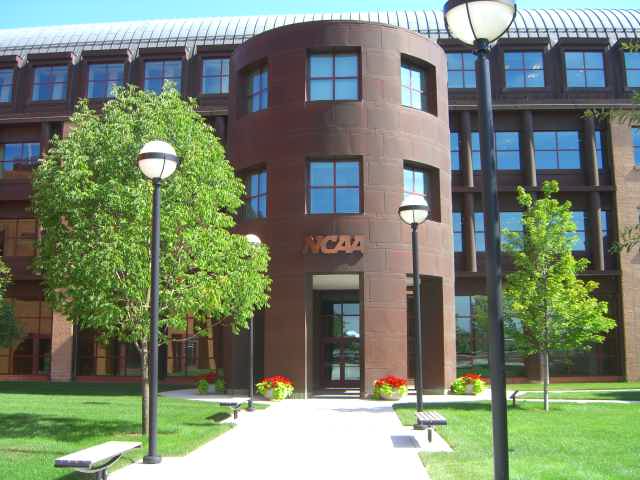
Characteristics and membership
Division II institutions are typically smaller than most Division I schools but larger than many Division III colleges. Member schools vary widely in enrollment and athletic budgets. Unlike Division III, Division II programs may award athletic scholarships, though these are often partial rather than full rides; scholarship models and limits are set by the governing rules for aid and eligibility. Many Division II schools recruit regionally and emphasize a balance of academics, athletics, and campus engagement for student‑athletes.
History and development
The current three‑division structure of the NCAA dates to the early 1970s, when the association reorganized into separate divisions to better reflect differences in institutional size, resources, and competitive emphasis. Division II grew out of the older College Division as schools chose classifications that matched their missions and budgets. Over time, membership and conference alignments have shifted as institutions reclassified upward or downward in response to changing priorities.
Conferences and sport sponsorship
Division II athletics are organized into regional conferences, which manage regular‑season schedules and often hold conference championships that feed into NCAA postseason tournaments. Representative Division II conferences include:
- Central Intercollegiate Athletic Association
- Great American Conference
- Great Lakes Intercollegiate Athletic Conference
- Great Lakes Valley Conference
- Great Midwest Athletic Conference
- Gulf South Conference
- Lone Star Conference
- Mid‑America Intercollegiate Athletics Association
- Mountain East Conference
- North Central Conference
- Northeast‑10 Conference
- Northern Sun Intercollegiate Conference
- Pennsylvania State Athletic Conference
- Rocky Mountain Athletic Conference
- South Atlantic Conference
- Southern Intercollegiate Athletic Conference
Some conferences in Division II do not sponsor football and instead focus on other fall, winter, and spring sports. Examples include the California Collegiate Athletic Association, Central Atlantic Collegiate Conference, Conference Carolinas, East Coast Conference, Great Northwest Athletic Conference, Pacific West Conference, Peach Belt Conference, and Sunshine State Conference. A few conferences sponsor only one or two sports; the NCAA counts swimming and diving as a single sport, and it treats men’s and women’s teams as separate sports for administrative purposes. For information about which sports are offered, consult a current list of NCAA sports by division and season.
Postseason, championships, and student‑athlete experience
Division II holds national championships across many team and individual sports. Postseason qualification typically combines automatic conference bids and at‑large selections determined by regional ranking systems. The student‑athlete experience in Division II is often described as a ‘‘balanced’’ model: participants compete at a high level while remaining closely connected to campus life and academic programs. Many schools emphasize community engagement, internship opportunities, and academic support to help athletes graduate and transition to careers.
Comparisons and notable distinctions
Compared with Division I, Division II programs usually have smaller budgets, fewer full‑time coaches, and less national travel; compared with Division III, Division II offers athletic scholarships and more competitive recruiting. Institutions choose the division that best matches their priorities, resources, and philosophy toward the role of intercollegiate athletics. For additional historical context and official policy, visit the NCAA’s informational pages about the divisions and scholarship rules: division history and structure and financial aid guidelines.
Because conference memberships and sport sponsorships change over time, prospective students and followers should consult conference offices or the national office for the most current listings and championship formats. Official conference websites and the NCAA provide up‑to‑date schedules, standings, and eligibility information: see the conference directory and championship calendars at NCAA resources.
Questions and answers
Q: What is Division II?
A: Division II is the middle division of competition in the National Collegiate Athletic Association. It is less competitive and less expensive than Division I, but more competitive than Division III, which offers no athletic scholarships.
Q: What was Division II and III previously known as?
A: Divisions II and III were previously known together as the NCAA College Division.
Q: What are some examples of Division II athletics (or sports) conferences?
A: Examples of Division II athletics (or sports) conferences include Central Intercollegiate Athletic Association, Great American Conference, Great Lakes Intercollegiate Athletic Conference, Great Lakes Valley Conference, Great Midwest Athletic Conference, Gulf South Conference, Lone Star Conference, Mid-America Intercollegiate Athletics Association, Mountain East Conference North Central Conference Northeast-10 Conference Northern Sun Intercollegiate Conference Pennsylvania State Athletic conference Rocky Mountain Athletic conference South Atlantic conference Southern Intercollegiate Athletic conference.
Q: Are there any conferences that do not play football?
A: Yes. Conferences that do not play football include California Collegiate Athletic Association Central Atlantic Collegiate conference conference Carolinas East Coast conference great Northwest athletic conference Pacific West conference Peach Belt conference Sunshine State conference.
Q: Do these non-football playing conferences only play one or two sports?
A: Yes. These non-football playing conferences only play one or two sports.
Q: How does the NCAA treat swimming and diving?
A: The NCAA treats swimming and diving as a single sport.
Q: Does the NCAA count men's and women's teams in the same sport as playing two different sports?
A: Yes. The NCAA counts men's and women's teams in the same sport as playing two different sports
Related articles
Author
AlegsaOnline.com NCAA Division II — U.S. college athletics division Leandro Alegsa
URL: https://en.alegsaonline.com/art/68904