
Nature (journal) — multidisciplinary scientific weekly
Nature is a weekly multidisciplinary scientific journal founded in 1869. It publishes peer-reviewed research, letters, reviews, news and commentary for researchers and an educated public, with several specialist spin-offs.
Overview
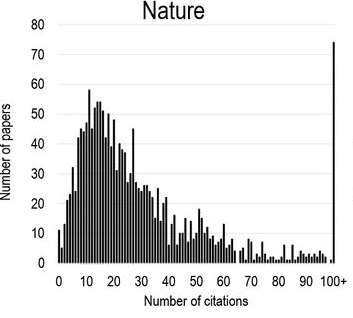
Nature is an international, weekly scientific journal first published on 4 November 1869. It publishes peer-reviewed research articles, shorter letters, reviews and commentary that address advances across the natural sciences. Because of its broad scope and long history, Nature is regarded as one of the most cited and influential general-science periodicals in the world; citation analyses and discussions of journal influence are frequently referenced in evaluations of research impact (citation analyses).
Image gallery
4 Images

Scope and editorial content
Unlike most specialist journals, Nature accepts original research from a wide range of fields rather than concentrating on a single subject. Typical content types include full research Articles, shorter Letters reporting important new results, Reviews and Perspectives that summarise developments in a field, and News & Views pieces that explain and contextualise significant findings for a broader scientific readership. The front matter of each issue contains editorials and news items intended to highlight matters of policy, public interest and scientific practice.
News, commentary and public engagement
The journal allocates space to editorial commentary and reporting on scientific affairs. Readers can find editorials (editorials) and news coverage (news) of developments that affect researchers, institutions and the public. Nature also publishes feature articles that examine larger themes such as science in society, science policy and the economic context of research; sections may address current affairs, interactions with business and discussions of scientific ethics.
Peer review and editorial standards
Submissions are evaluated both for scientific rigour and for potential interest to the journal’s broad readership. Most manuscripts are assessed by editors and, where appropriate, sent to external peer reviewers. Nature is selective and many submissions are rejected at an early stage. Accepted papers undergo substantive editing to improve clarity and accessibility while preserving technical accuracy. Detailed methods, extended data and raw datasets are often provided as supplementary material on the journal’s website (online supplementary material).
Audience and accessibility
Research scientists remain the primary audience, but Nature also aims to reach policymakers, educators and an interested public. Articles are written to be intelligible to scientists outside the immediate discipline and to any well-educated reader with a general science background. The journal operates a mix of subscription and author-pays open-access options; authors may publish under different access models depending on funder mandates and fees.
History and development
Founded in the late nineteenth century, Nature has been published continuously as a weekly since 1869. It was created to provide a rapid forum for communicating scientific findings across disciplines. Over the decades Nature has expanded its editorial scope and developed a family of related titles that use the Nature brand for specialised fields.
Spin-offs and related titles
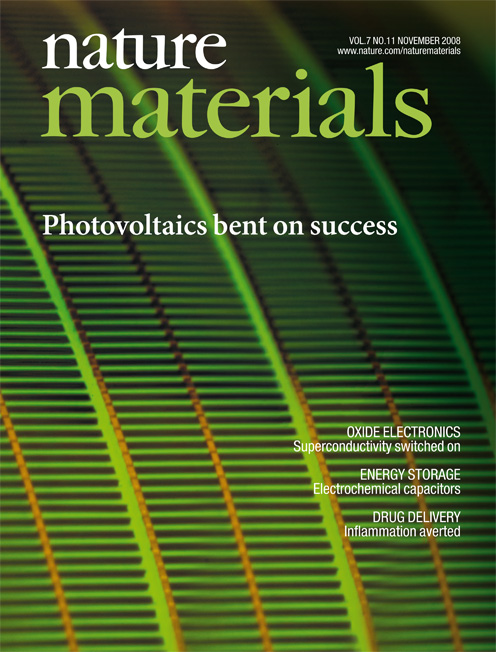
To serve specialist communities and provide space for longer, technically detailed papers, the publisher developed a series of Nature-branded journals focused on particular disciplines (for example genetics, medicine, materials and physics). These spin-offs allow longer articles and deeper technical exposition while the main Nature journal emphasises concise reports and broad-interest discoveries.
Influence, criticism and integrity
Nature exerts considerable influence on scientific discourse and public awareness of research. Papers published in Nature often receive wide attention from researchers, institutions and the media. That prominence brings responsibilities and scrutiny: the journal has been part of debates about editorial selectivity, reproducibility, peer review practice and the handling of corrections or retractions. Like other high-profile publishers, Nature publishes editorial statements and corrections when issues arise, and it supports community efforts to improve research transparency.
Practical information for authors and readers
- Common article types: Research Articles, Letters, Reviews, Perspectives, News & Views.
- Submission and review: Initial editorial assessment followed by peer review when appropriate.
- Supplementary content: Extended methods, datasets and additional figures are commonly provided online (supplementary).
- Audience: Researchers, graduate students, policy-makers and informed members of the public.
For editorial commentary, news coverage and to explore current issues affecting science and society, readers can consult the journal’s regular editorial pages (editorials) and news sections (news), and follow material that addresses current affairs, links with business and debates about ethics. Citation and impact discussions are available through published analyses (studies of citation patterns) and the journal’s own communications. Supplementary details and datasets are generally provided online for readers and researchers (online resources).
Questions and answers
Q: What is Nature?
A: Nature is a scientific journal that is the world's most cited scientific journal and publishes original research articles across the whole range of science.
Q: When was Nature first published?
A: Nature was first published on 4 November 1869.
Q: Who is the primary audience for Nature?
A: Research scientists are the primary audience for the journal, but ordinary people also read it as well.
Q: What kind of articles does Nature publish?
A: Nature publishes important new advances and original scientific research as articles or letters. It also prints surveys and reviews of important research fields.
Q: Why are articles in Nature written and edited to be understandable to scientists in other fields and any educated person?
A: Articles in Nature are written and edited to be understandable to scientists in other fields and any educated person because ordinary people also read the journal.
Q: What kind of topics are covered in editorials, news and feature articles in Nature?
A: Topics covered in editorials, news and feature articles in Nature include current affairs, science funding, business, scientific ethics and research breakthroughs.
Q: Are all details of articles in Nature printed in the journal?
A: No, details may be put in supplementary material on the journal's website because of limits on the length of articles.
Related articles
Author
AlegsaOnline.com Nature (journal) — multidisciplinary scientific weekly Leandro Alegsa
URL: https://en.alegsaonline.com/art/68793
Sources
- nature.com : nature.com/articles/001009a0.pdf?error=cookies_not_supported&code=546a37c6-407b-406a-b471…
- nature.com : "About Nature"
- wikidata.org : wikidata.org/wiki/Q180445
- d-nb.info : 4499779-6
- id.ndl.go.jp : 001097666
- viaf.org : 193146331915918691819
- worldcat.org : 193146331915918691819