
Natural Environment: Definition, Components, Scales, and Importance
Overview of the natural environment: definitions, biotic and abiotic components, ecosystems and scales, natural resources and physical phenomena, human impacts, ecosystem services and conservation.
Overview
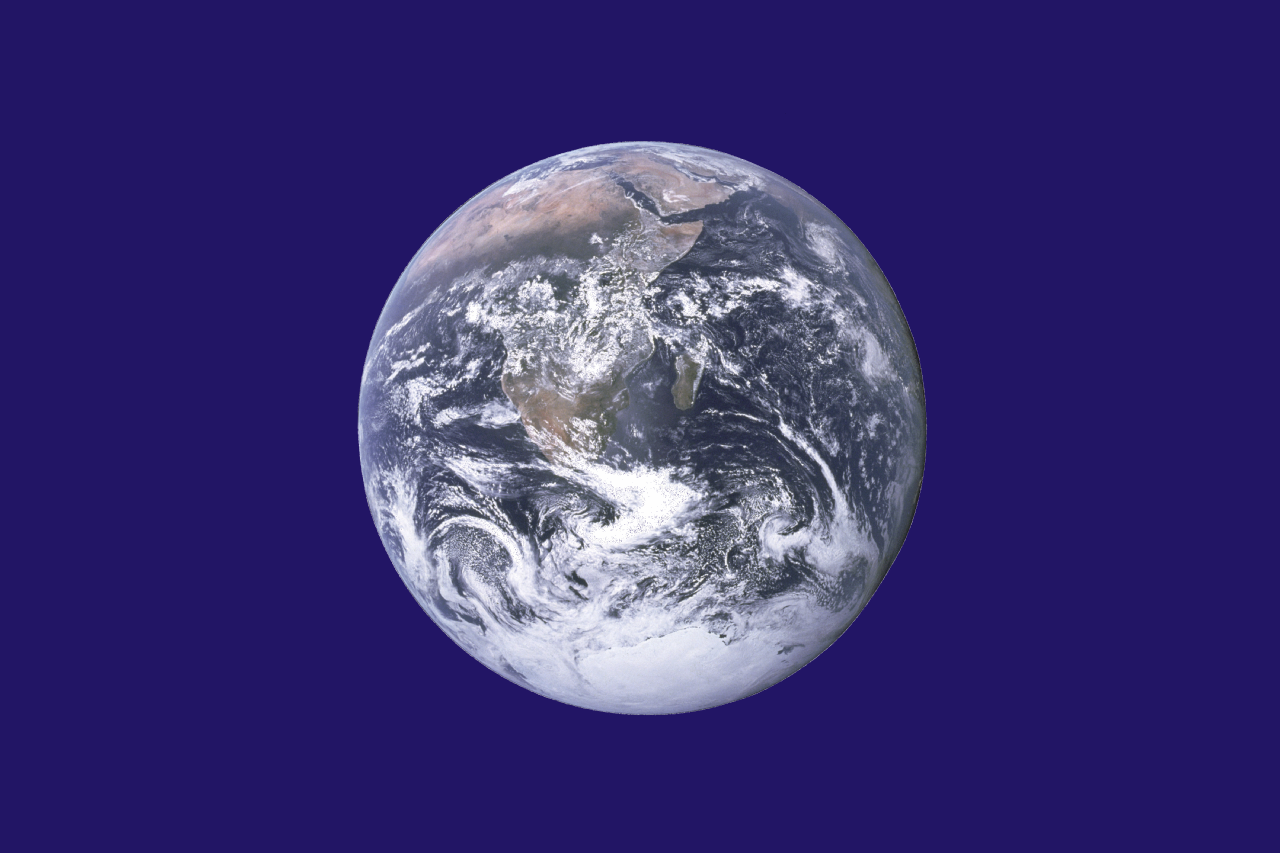
The natural environment comprises living organisms and non-living elements that arise through natural processes rather than by deliberate human design. In the broadest sense it may extend to the universe, but in most contexts the term refers to the physical and biological systems on Earth. Definitions vary with disciplinary focus and cultural perspective; for a general definition see definitions of naturally occurring systems.
Image gallery
10 Images





Components and processes
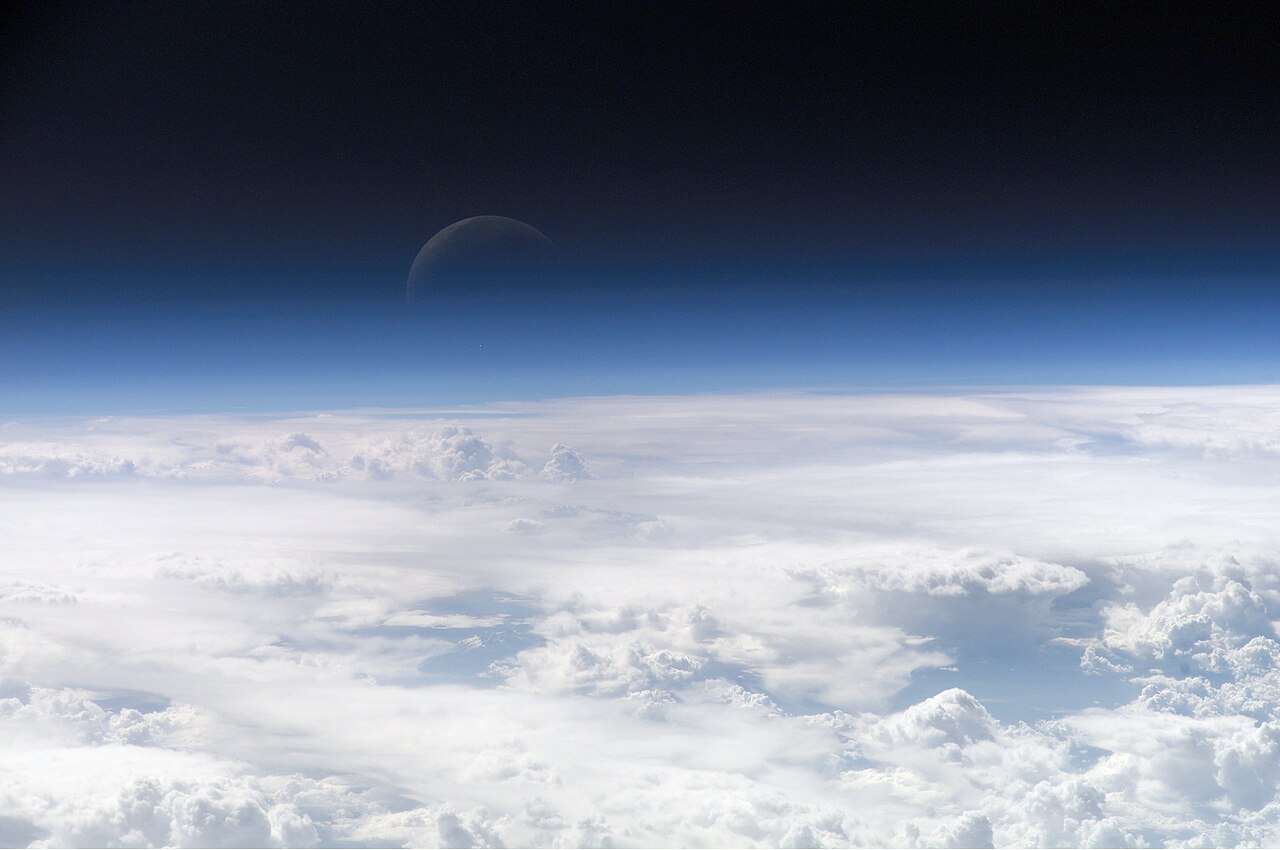
Commonly the natural environment is described in terms of biotic and abiotic components and by the processes that connect them. Biotic components include plants, animals, fungi and microorganisms that form communities and food webs. Abiotic components include soil (soil), rocks (rocks), water and the atmosphere. System-level processes include energy flows from the sun, nutrient cycling, primary production, decomposition and succession.
Natural resources and physical phenomena
Certain aspects of the natural environment are treated as resources or global commons because they lack clear boundaries or are used by many people. Examples are water, air and mineral resources, commonly grouped as natural resources. Large-scale physical phenomena such as climate, available forms of energy, radiation, electrical properties like electric charge and natural magnetism also shape environments and impose constraints on life and human systems.
Scales, ecosystems and typical examples
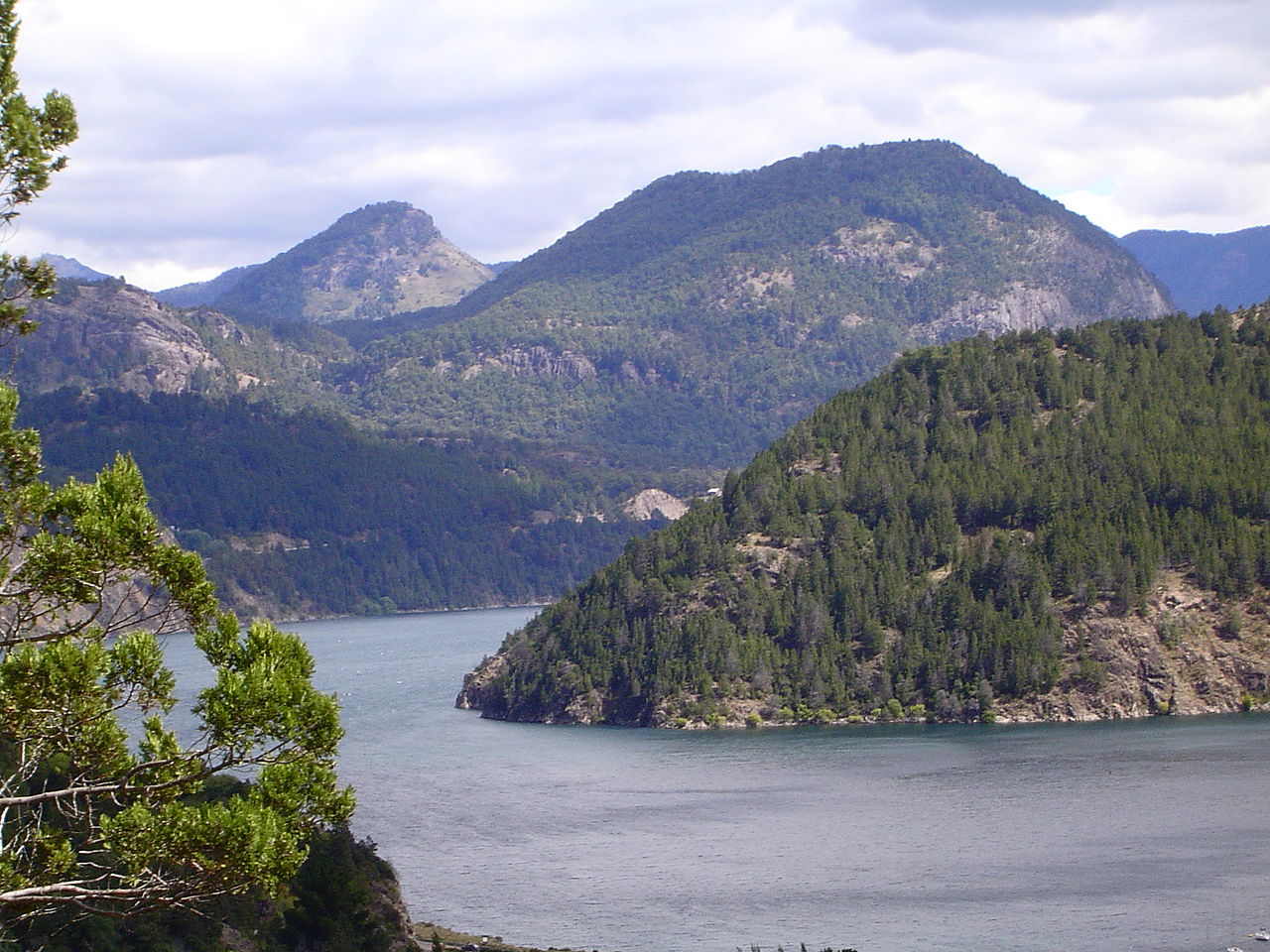
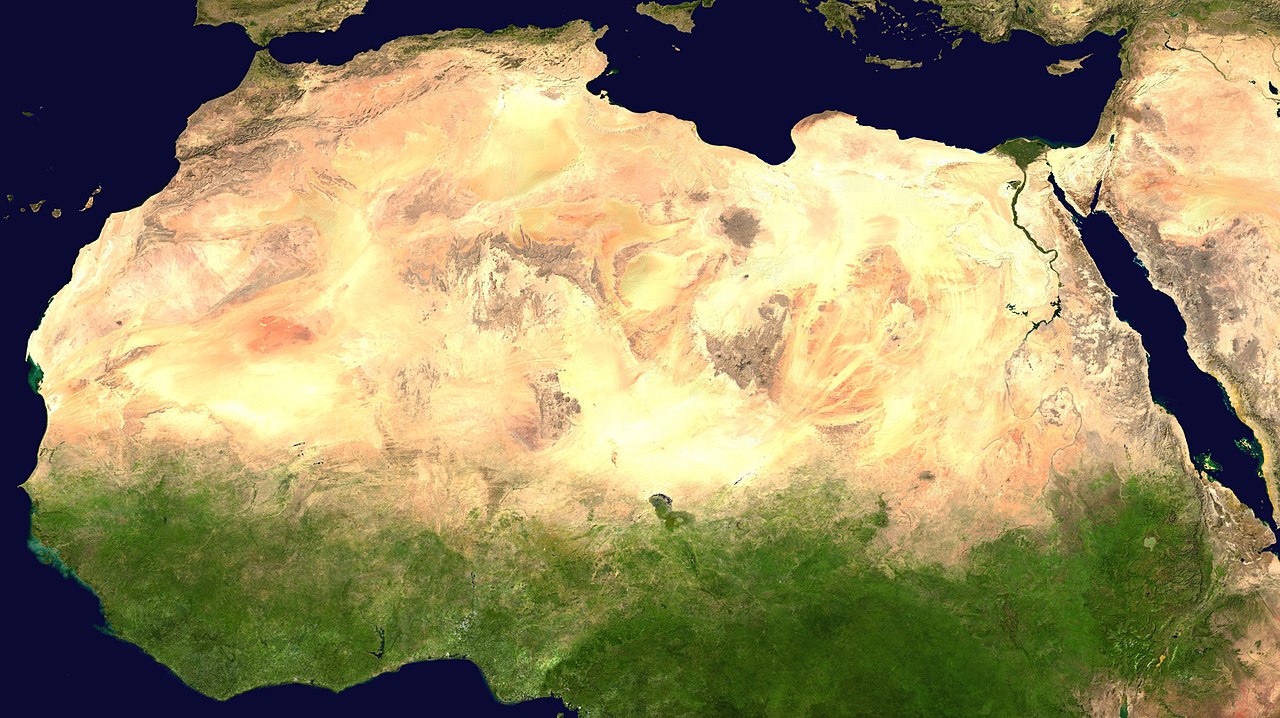
Natural environments can be described at multiple spatial and temporal scales. Local ecosystems include ponds, forests, grasslands, deserts and urban green spaces. Regional scales capture river basins and climate zones; global scales involve planetary cycles such as the carbon and water cycles. Typical ecosystem examples are old-growth forests, coral reefs, wetlands and open ocean systems, each with distinct structure, function and species assemblages.
Ecosystem services and human dependence
Natural environments deliver ecosystem services that underpin human well-being. Provisioning services supply food, freshwater and raw materials. Regulating services include climate moderation, flood control and disease regulation. Supporting services involve soil formation and nutrient cycling, while cultural services provide recreation, aesthetic and spiritual values. These services are central to agriculture, fisheries, forestry and many regional economies.
Human influence, the built environment and landscape change
Human activities have altered the extent, composition and functioning of natural systems through land conversion, resource extraction, pollution and introduction of species. Where people have reshaped terrain, the result is the built environment — cities, farms, transport networks and managed landscapes. Often a spectrum exists from near-natural to heavily modified systems, and hybrid zones combine natural processes with engineered structures. Managing such transitions and reversing harmful trends are central goals of conservation and sustainable development, including approaches to landscape change.
Conservation, management and stewardship
Conservation practices aim to maintain biodiversity, ecosystem function and the services ecosystems provide. Approaches range from protected areas and restoration ecology to sustainable resource management and policy tools that incorporate scientific observation and local knowledge. Adaptive management recognizes uncertainty and uses monitoring to guide interventions at scales from local habitat restoration to regional land-use planning.
Research, monitoring and policy
Scientific study of the natural environment employs observation, experimentation and modeling to improve understanding of complex systems. Long-term monitoring programs and cross-disciplinary research help inform policy on climate, biodiversity and resource use. Effective stewardship typically involves collaboration among scientists, managers, indigenous and local communities, and policymakers to balance use and conservation.
Understanding the natural environment is essential for informed decisions that affect planetary health, economic resilience and cultural values. For introductory overviews, see resources on the universe, Earth systems, soils, and natural resources, and reviews of drivers such as climate, energy, radiation, electric charge and magnetism.
Questions and answers
Q: What is the definition of natural environment?
A: Natural environment means all living and non-living things occurring naturally, meaning not because of humans.
Q: What does the term "natural environment" usually mean?
A: The term "natural environment" usually means nature on Earth.
Q: What ecological units are usually included in the natural environment?
A: Ecological units which are natural systems without much human interference are usually included in the natural environment. These include all vegetation, microorganisms, soil, rocks, atmosphere, and natural events.
Q: What universal natural resources and physical phenomena are included in the natural environment?
A: Universal natural resources and physical phenomena which lack clear-cut boundaries are included in the natural environment. These include climate, air, water, energy, radiation, electric charge, and magnetism.
Q: What is the built environment?
A: The built environment is where man has changed landscapes and natural environment to make cities and agricultural land.
Q: Does the built environment fall under the category of natural environment?
A: No, the built environment does not fall under the category of natural environment because it is a result of human intervention.
Q: Are there any non-living things included in the natural environment?
A: Yes, non-living things such as soil and rocks are included in the natural environment.
Related articles
Author
AlegsaOnline.com Natural Environment: Definition, Components, Scales, and Importance Leandro Alegsa
URL: https://en.alegsaonline.com/art/68761