
Native American flute
A two-chambered, front-held end-blown flute with a distinct block and sound chamber, used historically and today for song, ceremony, healing, and contemporary music across Indigenous North American cultures.
Overview
The Native American flute is an end-blown, front-held flute known for its warm, breathy tone and often plaintive, meditative melodies. Unlike many other woodwinds, it typically has two internal chambers and an external block or "bird" that directs breath from the mouthpiece to the sound-producing chamber. Many contemporary listeners recognize its characteristic pentatonic-sounding scale and slow, song-like phrasing.
Image gallery
10 Images


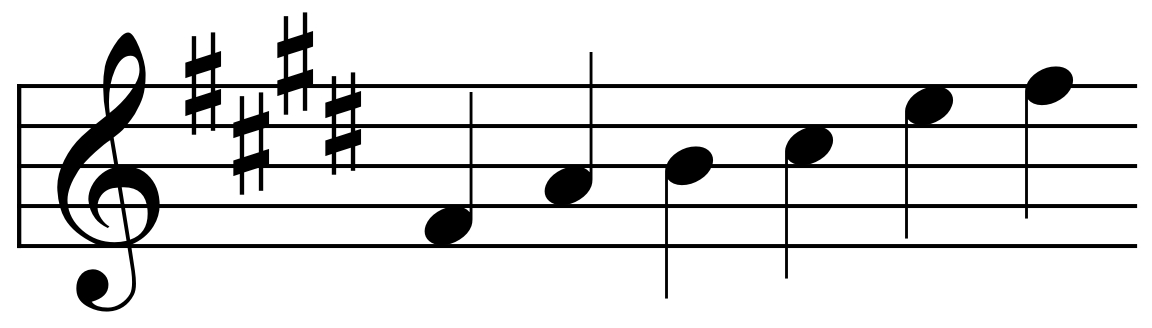
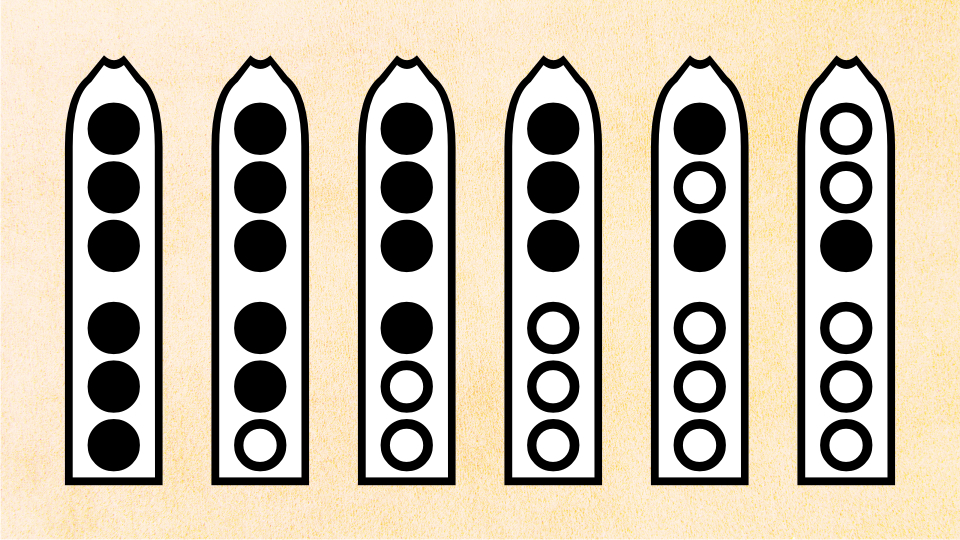

Structure and sound production
At its core the instrument consists of two main bore sections: a slow air chamber where the player breathes, and a sound chamber where air vibrates to produce pitch. A carved block on the outside forms a narrow channel (a flue) between these chambers and guides the airstream toward a splitting edge or sound hole. When the breath reaches the splitting edge it is divided and set into vibration, establishing a resonant column of air in the sound chamber. Finger holes along the body change the effective length of that column to produce different pitches.
- Slow air chamber (SAC): accepts the breath and moderates pressure.
- Flue and block: an external piece that shapes and directs the airstream.
- Sound chamber: the vibrating air column where tone and pitch are formed.
- Finger holes: used to change pitch and create melodies.
For introductions to the instrument's design and playing posture see front-held design and details on breath flow at air channel. Explanations of how the tone is created and sustained are commonly illustrated in resources such as sound production and resonance descriptions.
History and cultural context
Flutes with similar construction appear in many Indigenous North American communities and have been used for personal song, courtship, and ceremony. The exact forms and ornamentation varied by region and maker. Over the 20th century the instrument saw a revival and wider popularization, first within Indigenous communities and later among non-Indigenous players and composers. Modern makers often blend traditional motifs with experimental materials and tunings while respecting cultural origins.
Playing, repertoire, and uses
The Native American flute is frequently used for solo melodic performance, improvisation, meditative music, and accompaniment in small ensembles. Because many traditional constructions naturally favor pentatonic intervals, the instrument is approachable for beginners: easy to produce a pleasant tone and to play simple, expressive melodies. Professional players use breath control, vibrato, and ornamentation to shape phrases. It is also used in therapeutic and educational settings for its calming timbre.
Materials, varieties, and notable distinctions
Traditional examples were made from materials at hand — wood, cane, bone or bone-adjacent materials — and often decorated with carving, inlay, or paint. Contemporary makers use native hardwoods, bamboo, plastics, or composite materials to control stability and tuning. The external block and two-chamber arrangement distinguish this family from transverse flutes and from simple fipple instruments; makers and players sometimes refer to its parts and tuning conventions in specialized terminology. For comparisons with other woodwinds see woodwind distinctions.
Further reading and resources
Learning materials range from hands-on craft and playing workshops to recordings and instructional guides. For practical guides on construction, tuning and cultural context consult makers' resources and community-led teaching at pages such as crafting resources and historical overviews at cultural histories. Introductory tutorials and listening examples are widely available; a basic primer on technique and tone is often the first step for new players (technique guides).
Questions and answers
Q: What is a Native American flute?
A: A Native American flute is a type of flute that is held in front of the person playing it, has open holes for the player's fingers, and has two separate parts - one for the breath of the person playing the flute and another that makes the sound of the flute.
Q: How does a Native American flute produce sound?
A: The player breathes into one end of the flute which directs their breath from the first part to the second part, causing air to vibrate in this second part. This vibration causes a steady resonance of air in this second part which creates sound.
Q: Are there different designs and sizes available for Native American Flutes?
A: Yes, there are many different designs, sizes, and variations available for Native American Flutes compared to other woodwind instruments.
Q: What direction should a player hold a Native American Flute when playing it?
A: A player should hold a Native American Flute in front of them when playing it.
Q: What kind of holes are on a Native American Flute?
A: There are open holes on a Native American Flute that allow players to use their fingers to play it.
Q: How many parts does a Native American Flute have?
A: A native american flue has two separate parts - one for breathing into and another that produces sound.
Q: Does blowing into one end create sound on its own?
A No, blowing into one end does not create sound on its own - instead it directs air from this first part to the second part where vibration causes air resonance which then creates sound.
Related articles
Author
AlegsaOnline.com Native American flute Leandro Alegsa
URL: https://en.alegsaonline.com/art/68736
Sources
- commons.wikimedia.org : Native American flutes
- rnaff.org : Renaissance of the North American Flute
- worldflutesociety.org : World Flute Society
- groups.yahoo.com : Native American flute music sheet
- flutopedia.com : Flutopedia
- flutetree.com : Flute Tree
- launch.groups.yahoo.com : NAF Music
- launch.groups.yahoo.com : NAF Music Songs
- whitecrowflutes.com : List of archives containing Native American flutes
- flutopedia.com : Finger Diagram Fonts
- wagnuka.com : Native American Flute Tablature
- flutopedia.com : Native American Flute References