
National Gallery
A national gallery is a state-associated art museum that preserves, researches and displays a country’s principal visual-art collections for public benefit, scholarship and cultural identity.
A national gallery is an institution, commonly state-funded or state-endorsed, charged with preserving, studying and exhibiting a nation's most significant works of visual art. These galleries make core holdings available to the public, support scholarly research, curate temporary and permanent exhibitions, and serve as custodians of cultural heritage. Many balance display with conservation, education and outreach.
Image gallery
10 Images


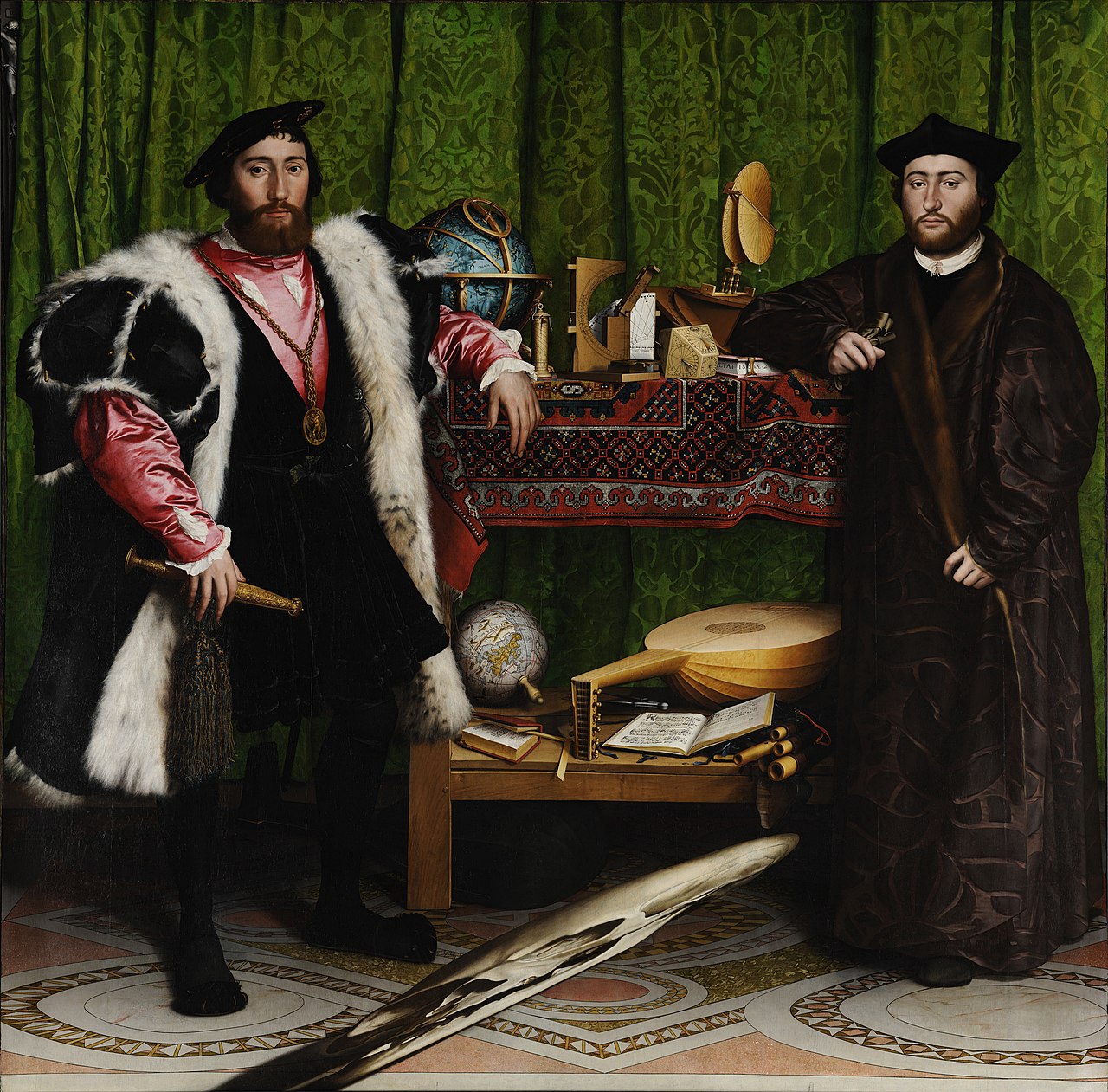
Collections and activities
Collections may be encyclopedic—covering wide historical ranges and media—or specialized in national schools, periods or movements. Typical activities include:
- Preservation and conservation of paintings, sculptures, textiles and paper works.
- Curatorial research, cataloguing and provenance investigations to document history and ownership.
- Organizing exhibitions, lending works to other museums and hosting travelling shows.
- Public programmes: guided tours, lectures, school partnerships and digital access to collections.
History and role
The concept arose alongside public museums in the 18th and 19th centuries, when governments and private donors began assembling and exhibiting collections for public benefit. Well-known examples of national galleries include institutions in London, Washington, Canberra and Ottawa, among others. These galleries often reflect national narratives and act as venues for cultural diplomacy.
Governance and care
National galleries operate under varied governance models: some are government agencies, others are independent trusts or foundations. Inside, teams of curators, conservators, registrars and educators collaborate to maintain, interpret and share collections. Increasingly, galleries invest in digitization to broaden access and preserve records.
Contemporary challenges
Modern concerns include ethical questions over provenance and restitution, balancing conservation needs with public access, securing sustainable funding, and responding to debates about representation and decolonization of collections. National galleries continue to adapt roles in scholarship, tourism and civic life while preserving art for future generations.
Author
AlegsaOnline.com National Gallery Leandro Alegsa
URL: https://en.alegsaonline.com/art/68606