
National Congress (Ecuador)
Overview of Ecuador’s former unicameral legislature (1998–2007): composition, functions, history, and its replacement by the National Assembly under the 2008 constitution.
Overview
The National Congress was the unicameral legislative branch of the government of Ecuador established under the 1998 Constitution and functioning until late 2007. It sat in the capital, Quito, and served as the national lawmaking body responsible for debating and approving legislation, overseeing the executive, and representing provincial constituencies.
Image gallery
1 Image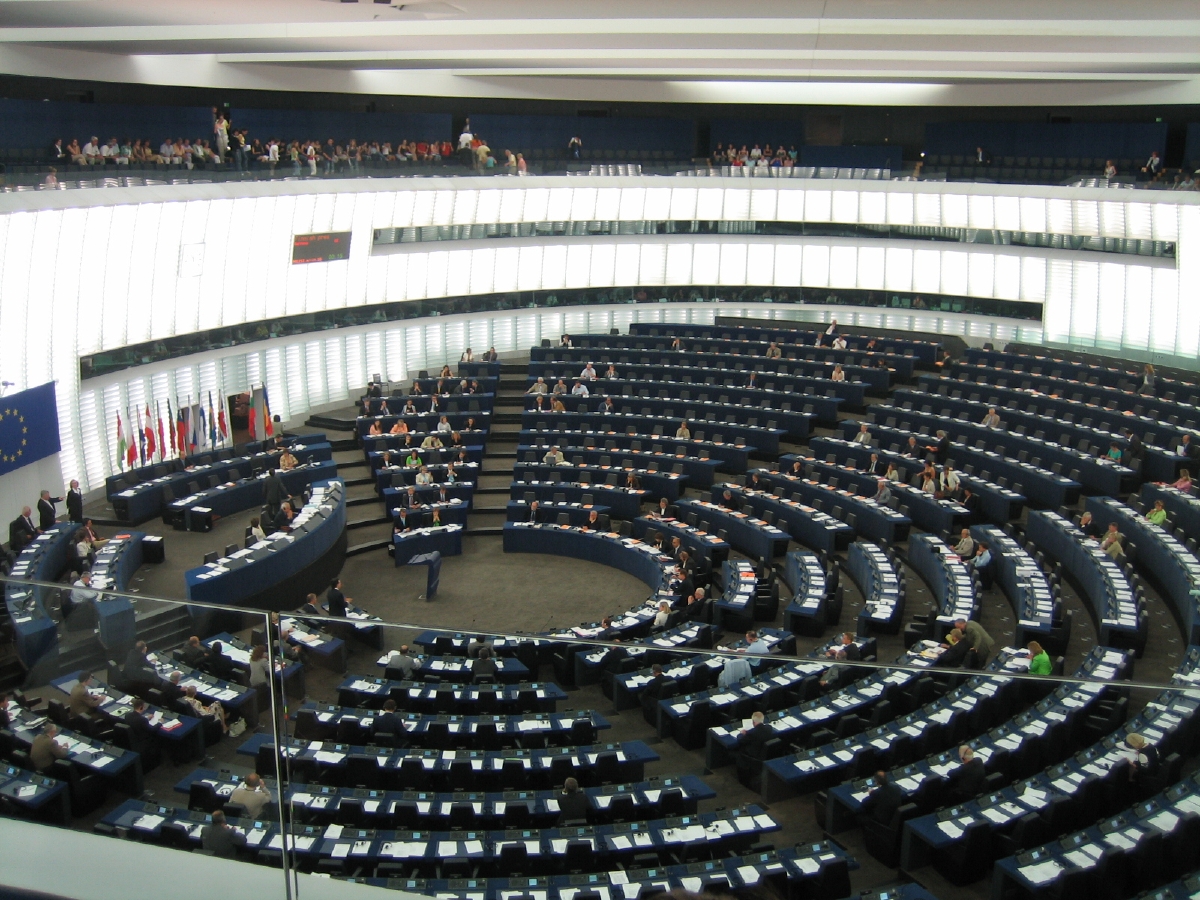
Composition and electoral basis
Under the rules that governed it, Congress comprised 100 deputies (diputados). Seats were distributed among Ecuador’s provinces with a minimum of two deputies per province and one additional seat for each increment of approximately 200,000 inhabitants. Deputies were elected to represent provincial districts, which tied legislative representation to population while preserving minimum representation for less populous provinces.
Functions and internal organization
As the national legislature, the Congress performed core functions typical of representative assemblies: drafting and approving laws, debating public policy, ratifying certain international agreements, approving budgets, and exercising oversight of public administration. Internally it operated through committees and plenary sessions and elected its leadership from among deputies to manage legislative agendas and procedures.
History and dissolution
The National Congress traced its authority to the 1998 constitutional framework. Over time, political crises, complaints about corruption and institutional weakness, and popular dissatisfaction led to calls for constitutional reform. In October–November 2007 a Constituent Assembly, convened to rewrite the constitution, voted to dissolve the existing Congress on 29 November 2007. The assembly drafted a new constitution that created the National Assembly as the replacement legislative body under the 2008 Constitution.
Significance and legacy
The Congress played a central role in Ecuadorian politics during its existence, shaping legislation and public debate. Its dissolution marked a substantial institutional change intended to renew legislative practice and curb abuses; the transition to the National Assembly reflected broader efforts to reconfigure political institutions and restore public confidence in representative government.
Notable distinctions
- Unicameral structure under the 1998 Constitution.
- Allocation formula combining minimum provincial representation with population-based additional seats.
- Dissolved by a popularly mandated Constituent Assembly and replaced under a new constitution in 2008.
Related articles
Author
AlegsaOnline.com National Congress (Ecuador) Leandro Alegsa
URL: https://en.alegsaonline.com/art/68569
Sources
- news.bbc.co.uk : "Ecuador forum dissolves Congress"