
State Anthem of the Russian Federation
Overview, history, musical origins, lyrics, adoption, protocol, and public reception of the State Anthem of the Russian Federation, including its link to Alexander Alexandrov’s melody and Sergey Mikhalkov’s lyrics.
Overview
The State Anthem of the Russian Federation is the official national anthem used at state ceremonies, military events, and other formal occasions across the Russian Federation. Its music is historically prominent and widely recognizable across the region. The anthem functions both as a ceremonial piece and as a concise musical symbol of national identity and continuity.
Image gallery
5 Images


Composition and lyrics
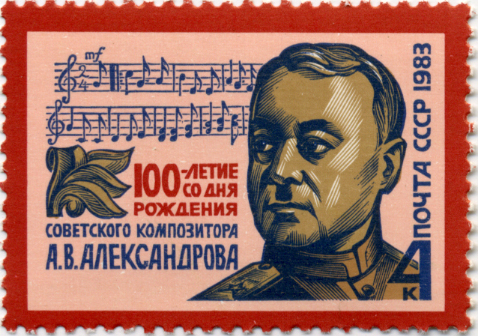
The melody of the anthem was composed by Alexander Alexandrov and later became associated with the Soviet state. For the modern Russian Federation the words were supplied by the poet Sergey Mikhalkov. The present combination—Alexandrov’s music with Mikhalkov’s revised text—was adopted to provide a lyrical expression intended to suit the contemporary state while retaining a well-known musical theme.
History and development
The tune originated in the mid-20th century and was long familiar across the Soviet Union. After the dissolution of the Soviet state, the newly formed Russian Federation initially used a different instrumental composition without official lyrics. During the 1990s and into the early 2000s public and political debate considered several options for a permanent anthem. A decision was reached to restore Alexandrov’s melody with new words, reflecting a desire for continuity in musical heritage together with updated lyrical content.
Official adoption and legal status
- The modern anthem was formally approved by federal authorities around the turn of the 21st century and entered official use shortly thereafter. Its adoption was enacted through national legislation and implementing regulations that specify when and how the anthem is to be performed.
- Official texts and musical arrangements are preserved in national archives and cultural repositories; authorized arrangements are used for ceremonial performances and broadcasts.
Performance practice and protocol
At formal events the anthem is customarily performed by a full orchestra and choir, though instrumental and shortened versions are common in some contexts. Protocols set out how citizens and officials should behave during the anthem—typically standing, removing headgear for those required to do so, and observing respectful silence for the duration of the music. Military and state ceremonial units use specified arrangements designed for parades, inaugurations, and diplomatic receptions.
Musical characteristics
Musically, the anthem is notable for its broad, march-influenced phrases, strong harmonic progressions, and a range well suited to large choral and orchestral forces. These qualities make it adaptable to different performance forces and venues, from stadiums to formal halls. Conductors and arrangers may produce abridged versions for particular events while retaining the principal thematic material.
Public reception and discussion
The return to a melody associated with the Soviet era provoked a range of public reactions. Supporters argued that the tune conveyed dignity and continuity, while critics raised concerns about its historical associations and the implications of reviving a familiar Soviet-era sound. Debates about symbolism, historical memory, and the balance between tradition and change have continued in public discourse and in cultural commentary.
International use, recordings and translations
The anthem is played when Russia is represented abroad at international meetings, sporting events, and state visits. Recorded performances by state orchestras and choirs are used for official broadcasts, and authorized sheet-music editions are published for educational and ceremonial use. Translations of the lyrics into other languages are produced for explanatory and diplomatic purposes, though official ceremonies use the original Russian text.
Key figures and further reading
Important names associated with the anthem include its composer, Alexander Alexandrov, and its modern lyricist, Sergey Mikhalkov. The official Russian title and forms are discussed in sources that record the anthem’s legal and cultural status; see references to the formal designation and background in archival and governmental summaries such as the page for the official Russian title and general overviews under the name Anthem of Russia and State Anthem. For authoritative musical editions and government materials consult the designated repositories and publications maintained by national cultural institutions (see official title) and selected scholarly summaries (see overview).
The history of this anthem illustrates how music, politics, and national memory interact: a single melody has been adapted with differing words and meanings in successive political contexts, while continuing to serve as a public symbol. Conversations about its use, wording, and performance practice remain part of broader discussions about heritage and national identity.
Questions and answers
Q: What is the name of the State Anthem of the Russian Federation?
A: The State Anthem of the Russian Federation (Russian: Госуда́рственный гимн Росси́йской Федера́ции, romanized: Gosudárstvennyj gimn Rossíjskoj Federácii).
Q: When was it first used?
A: It was first used in 2001.
Q: Who wrote its music?
A: Its music was written by Alexander Alexandrov in 1938.
Q: Who wrote its words?
A: The words were newly written by Sergey Mikhalkov in 2000.
Q: When did Sergey Mikhalkov write the words for the Soviet national anthem?
A: He wrote them back in 1943.
Q: Is there another name for this anthem?
A: Yes, it is sometimes just called the Anthem of Russia (Гимн России).
Related articles
Author
AlegsaOnline.com State Anthem of the Russian Federation Leandro Alegsa
URL: https://en.alegsaonline.com/art/68514