
Narragansett Bay — Rhode Island’s largest estuary
Narragansett Bay is a coastal estuary in southern Rhode Island, an ecological and economic center with more than 30 islands, diverse habitats, and extensive recreational and maritime uses.
Overview
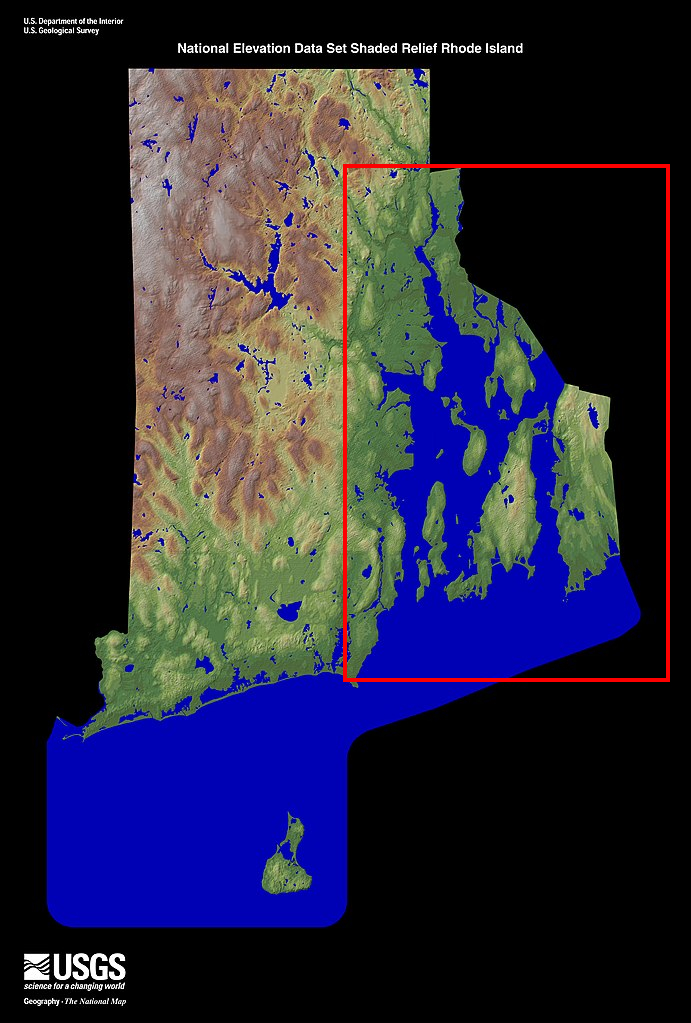
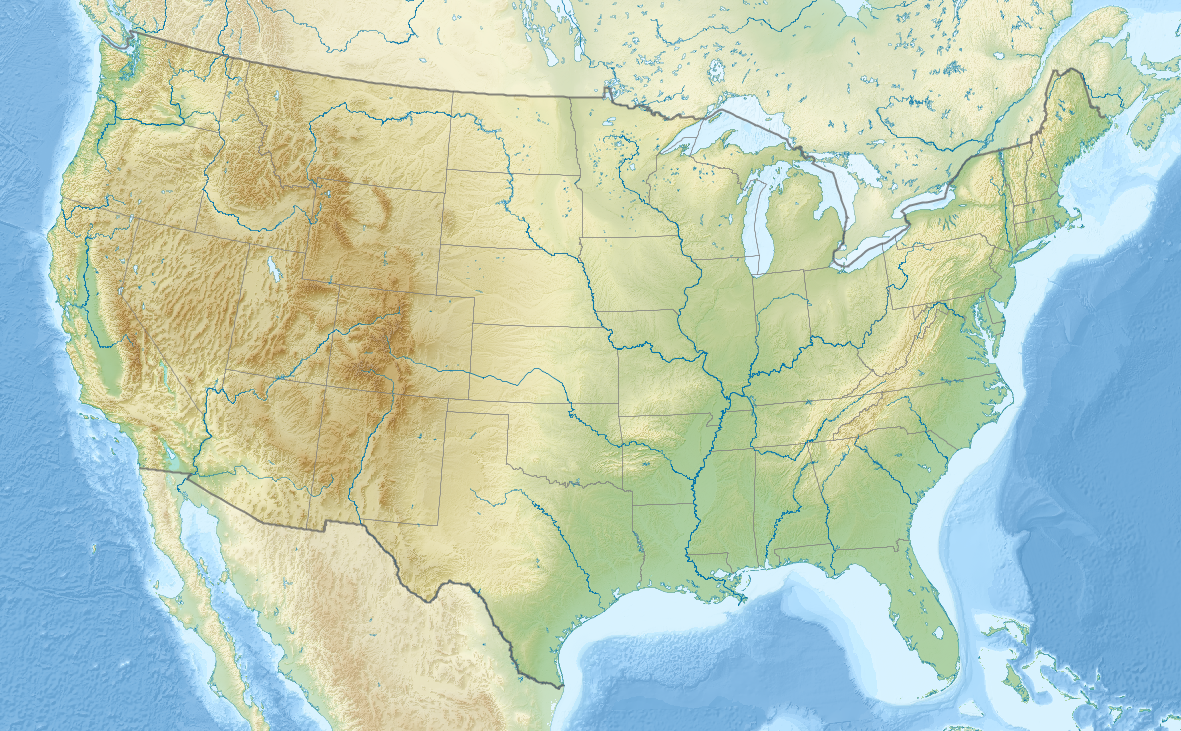
Narragansett Bay is a coastal body of water along southern Rhode Island that opens to the Atlantic Ocean through the Rhode Island Sound. It is widely regarded as the largest estuary in New England, forming an extensive network of tidal channels, embayments and salt marshes. The bay’s mix of freshwater from rivers and tidal exchange with the ocean creates gradients in salinity and temperature that shape its ecology and human uses. For maps and navigational overviews consult regional coastal maps and portals at coastal maps.
Image gallery
9 Images





Geography and islands
The bay has a complex shoreline with more than thirty islands, peninsulas and deeper central passages. Freshwater inflows from rivers in the Providence watershed meet incoming tides to produce brackish waters in the upper bay and more oceanic conditions near the mouth. The three largest islands are Aquidneck Island, Conanicut Island and Prudence Island. Aquidneck hosts communities and historic waterfronts, Conanicut is known for its central position in the bay, and Prudence remains comparatively rural with natural areas and seasonal residents. Major ports and bridges connect communities around the estuary.
History and human use
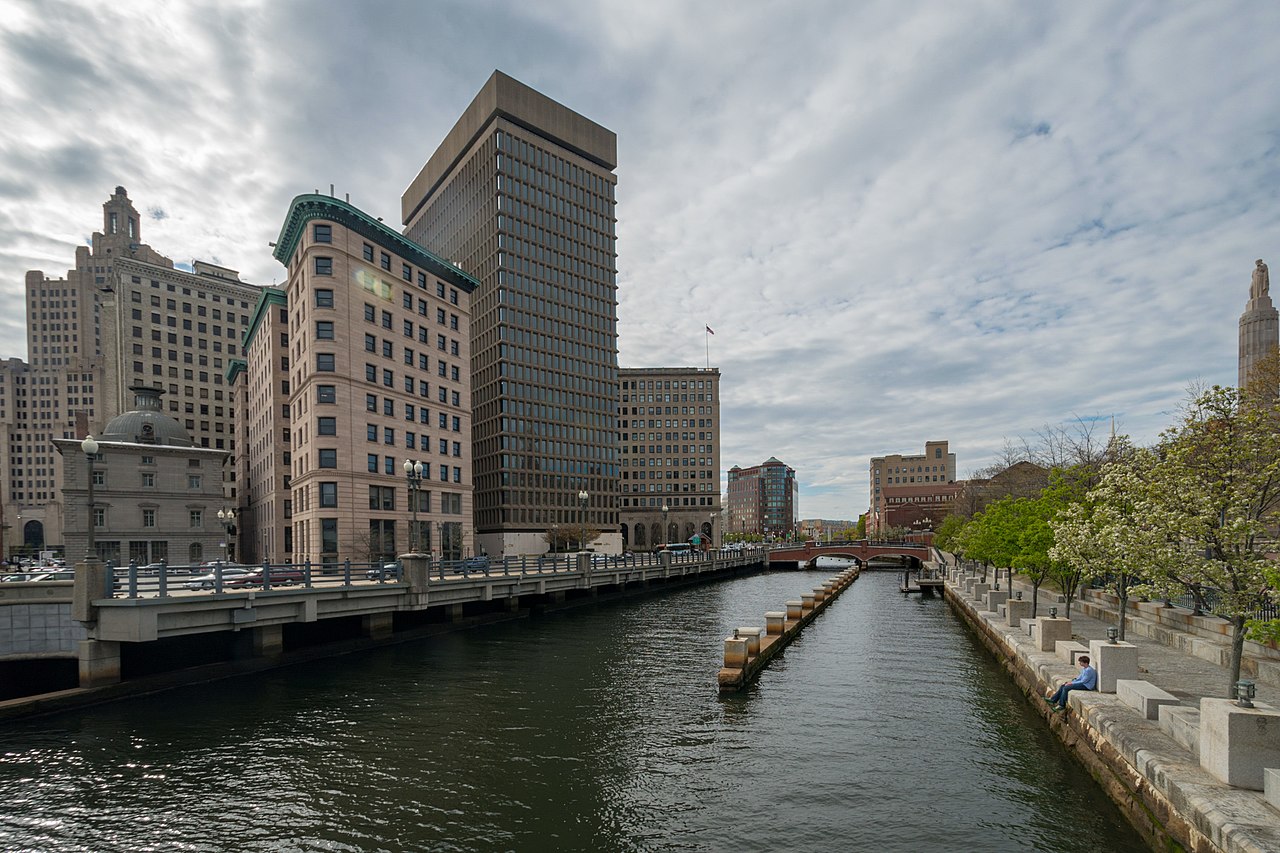
Indigenous peoples used the bay’s fisheries and coastal resources for centuries before European settlement. During colonial and later periods the bay supported shipbuilding, trade, fishing and naval activity; coastal towns grew at natural harbors and along tidal rivers. The city of Providence sits at the northern reach of the bay and long served as a commercial and manufacturing center, while Newport on the southeastern shore became prominent for maritime culture and yachting. Over time the bay has been shaped by industry, transportation, and patterns of urban development.
Ecology and conservation
Narragansett Bay supports diverse habitats—eelgrass beds, salt marshes and shellfish flats—that provide nursery areas for fish and forage for birds and other wildlife. Common shellfish include clams and oysters, and marine mammals and seabirds are regular parts of the ecosystem. Like many estuaries, the bay faces challenges from nutrient and sediment runoff, habitat loss and invasive species. State agencies, research institutions and local organizations collaborate on water-quality monitoring, habitat restoration such as eelgrass planting and living shoreline projects, and stewardship of shellfish beds and wetlands.
Recreation, economy and research
The bay is an important resource for recreation—sailing, boating, fishing and beaches draw residents and visitors—and it contributes to the regional economy through tourism, commercial fishing and port services. It also serves as a living laboratory for estuarine research, education and long-term environmental monitoring led by universities, non‑profits and state programs focused on the Narragansett Bay watershed and coastal management. The bay’s mix of natural values and human uses makes it a central element of Rhode Island’s environment and heritage, and a focus of ongoing conservation and planning efforts to address climate change, sea-level rise and water-quality protection in this estuarine system (estuarine).
Questions and answers
Q: Where is Narragansett Bay located?
A: Narragansett Bay is located next to southern Rhode Island, on the north side of the Rhode Island Sound.
Q: What does Narragansett Bay form?
A: Narragansett Bay forms the largest estuary of New England.
Q: How many islands are there in Narragansett Bay?
A: There are over 30 islands in Narragansett Bay.
Q: Which are the three largest islands in Narragansett Bay?
A: The three largest islands in Narragansett Bay are Aquidneck Island, Conanicut Island, and Prudence Island.
Q: Which city is north of Narragansett Bay?
A: Providence, Rhode Island's capital and largest city, is north of Narragansett Bay.
Q: Which city is on the southeast side of Narragansett Bay?
A: Newport is on the southeast side of Narragansett Bay.
Q: How can Narragansett Bay be described?
A: Narragansett Bay can be described as a coastal body of water, forming New England's largest estuary, with over 30 islands, and with Providence and Newport on its north and southeast sides respectively.
Related articles
Author
AlegsaOnline.com Narragansett Bay — Rhode Island’s largest estuary Leandro Alegsa
URL: https://en.alegsaonline.com/art/68396
Sources
- web.archive.org : "The Islands"