
Mutiny: collective revolt by subordinates against commanders
Mutiny is a collective uprising by subordinated personnel—often sailors or soldiers—against their commanders. This article explains definition, causes, notable historical cases, legal consequences, prevention, and cultural impact.
Mutiny is a collective, organized refusal by people under command to obey, to depose, or to replace those in authority. The term traditionally applies to disciplined services where hierarchy and obedience are essential to safety and cohesion, most commonly aboard ships or within military units. When groups such as soldiers or sailors act together against their superiors they are called mutineers; the officers targeted are often described as officers or, at sea, the captain of a ship.
Image gallery
3 Images

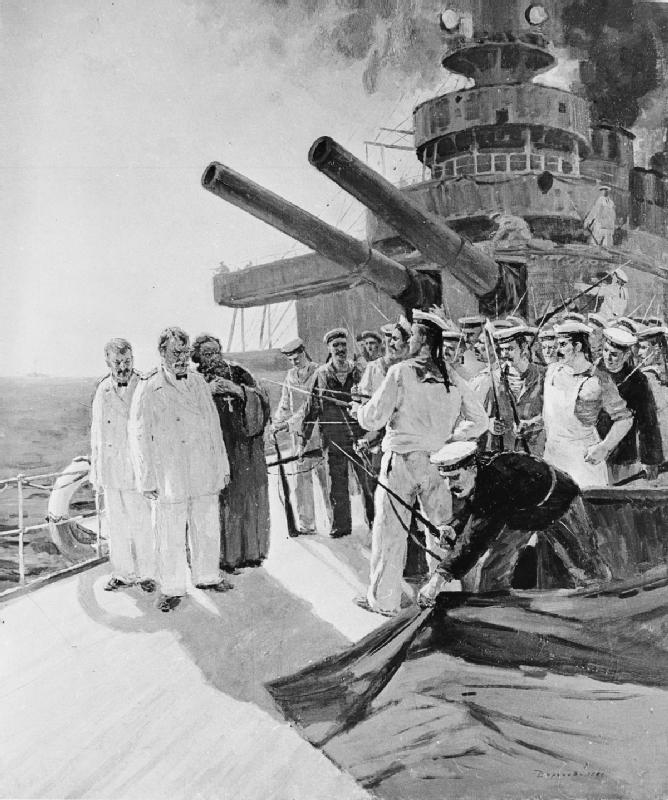
Definition and features
Key characteristics of mutiny include collective action, intent to change command or policy, and a breakdown of normal discipline. A mutiny differs from an individual act of insubordination because it involves a group with a shared purpose. Mutinies can be violent or non-violent; they range from refusal to obey specific orders to attempts to seize control of an entire vessel or unit. The word itself comes from older French words meaning to revolt or change, reflecting its long presence in European maritime and military language.
Historical context and notable examples
Mutiny has appeared across eras and cultures. During the Age of Discovery, harsh conditions on long voyages sometimes led to open rebellion against captains. Famous early cases include episodes on the voyages of Magellan, where severe discipline and privation prompted uprisings among crew members. The expedition of Henry Hudson likewise ended with men setting Hudson and others adrift after disputes.
Later, well-known incidents include the late 18th-century mutiny on HMS Bounty and the Royal Navy disturbances of Spithead and Nore in 1797, which combined demands over pay and conditions and led to reforms. In the 20th century, sailor and soldier rebellions have at times intersected with political revolutions; such events illustrate how grievances over leadership, survival, and politics can combine.
Causes and immediate effects
Frequent causes are harsh or abusive treatment by superiors, inadequate provisions, chronic neglect of welfare, pay disputes, fear for personal safety, unclear or illegal orders, and broader political motives. Immediate effects of a mutiny may include the removal or replacement of officers, loss of a vessel or unit cohesion, and significant risk to life and mission. Mutinies at sea historically placed ships in special danger because navigation and maintenance require cooperation.
Legal treatment and punishments
In most modern states mutiny is expressly criminalized under military law and often under civilian criminal codes when it endangers public safety. Historically, punishments could be severe—including execution, imprisonment, flogging, or marooning—though punishments varied by period and jurisdiction. Contemporary military justice systems normally treat mutiny as a grave offense subject to court-martial, with penalties intended both to punish and to deter breakdowns in discipline; at the same time, review processes and reforms aim to address legitimate grievances to prevent recurrence.
Prevention, management, and reform
Preventing mutiny typically requires trustworthy leadership, clear channels for reporting abuses, fair treatment and pay, adequate supplies, and attention to morale. Institutional reforms following high-profile mutinies have often improved living conditions, accountability, and grievance procedures. When a threat of mutiny appears, effective responses prioritize the rapid restoration of order while avoiding measures that could escalate violence; mediation, inspection, and timely redress of problems are common components of modern practice.
Distinctions and cultural impact
Mutiny is distinct from related concepts: it differs from desertion (leaving service without permission), from an individual act of insubordination, and from a coup d'état, which aims to seize national political power. In literature and film, mutiny is a recurring theme that probes authority, loyalty, and survival. Works such as narratives about the Bounty and many seafaring novels draw on the drama of command challenged by desperate crews.
Summary
- Mutiny is an organized, collective revolt by subordinates against their leaders, most commonly in naval and military settings.
- Causes include mistreatment, poor conditions, political motives, and loss of confidence in leadership.
- Consequences historically have been severe; modern militaries criminalize mutiny while also often addressing underlying grievances.
For more detailed study consult primary historical accounts, legal analyses, and scholarship that examine specific mutinies, the social conditions that produce them, and the institutional changes they sometimes prompt.
Questions and answers
Q: What is mutiny?
A: Mutiny is when a group of people get together to openly oppose, change, or remove the people or person in authority.
Q: Who are the people that mutiny called?
A: The group of people that mutiny are called mutineers.
Q: What is the usual situation when mutiny happens?
A: It usually means a group of soldiers trying to remove their officers, or a group of sailors on a ship trying to remove the captain.
Q: What did mutiny mean during the Age of Discovery?
A: During the Age of Discovery, mutiny meant open rebellion against a ship’s captain.
Q: What happened during Magellan's journey?
A: During Magellan’s journey, there was a mutiny and one mutineer was killed, while another was executed and 2 others were put on land and left there.
Q: What happened during the mutiny on Henry Hudson’s Discovery?
A: During the mutiny on Henry Hudson’s Discovery, Hudson and several others were left in the ocean in a small boat.
Q: Why were Hudson and his men left in the ocean?
A: Hudson and his men were left in the ocean as punishment for the mutiny that they were involved in.
Related articles
Author
AlegsaOnline.com Mutiny: collective revolt by subordinates against commanders Leandro Alegsa
URL: https://en.alegsaonline.com/art/67833
Sources
- history.navy.mil : "Somers"
- pubs.socialistreviewindex.org.uk : "The Invergordon Mutiny"
- german-navy.de : "Minensuchboot 1943 Ships"