
Mustard plant (Brassica and Sinapis species)
Overview of mustard plants: their biology, main species and distribution, culinary and industrial uses, cultivation, and notable distinctions and facts.
The term "mustard plant" refers to a group of related flowering plants traditionally grown for their pungent seeds and leafy greens. These are various species of herbaceous plants placed chiefly in the genera Brassica and Sinapis. Mustard plants are valued for tiny, round seeds that form the basis of the widely used mustard condiment. When ground and combined with liquids such as water or vinegar, plus salt and other seasonings, the seeds release compounds responsible for mustard's sharp flavor. The seeds are also a source of pressed mustard oil, and some varieties are grown for their edible leaves, commonly called mustard greens.
Image gallery
9 Images
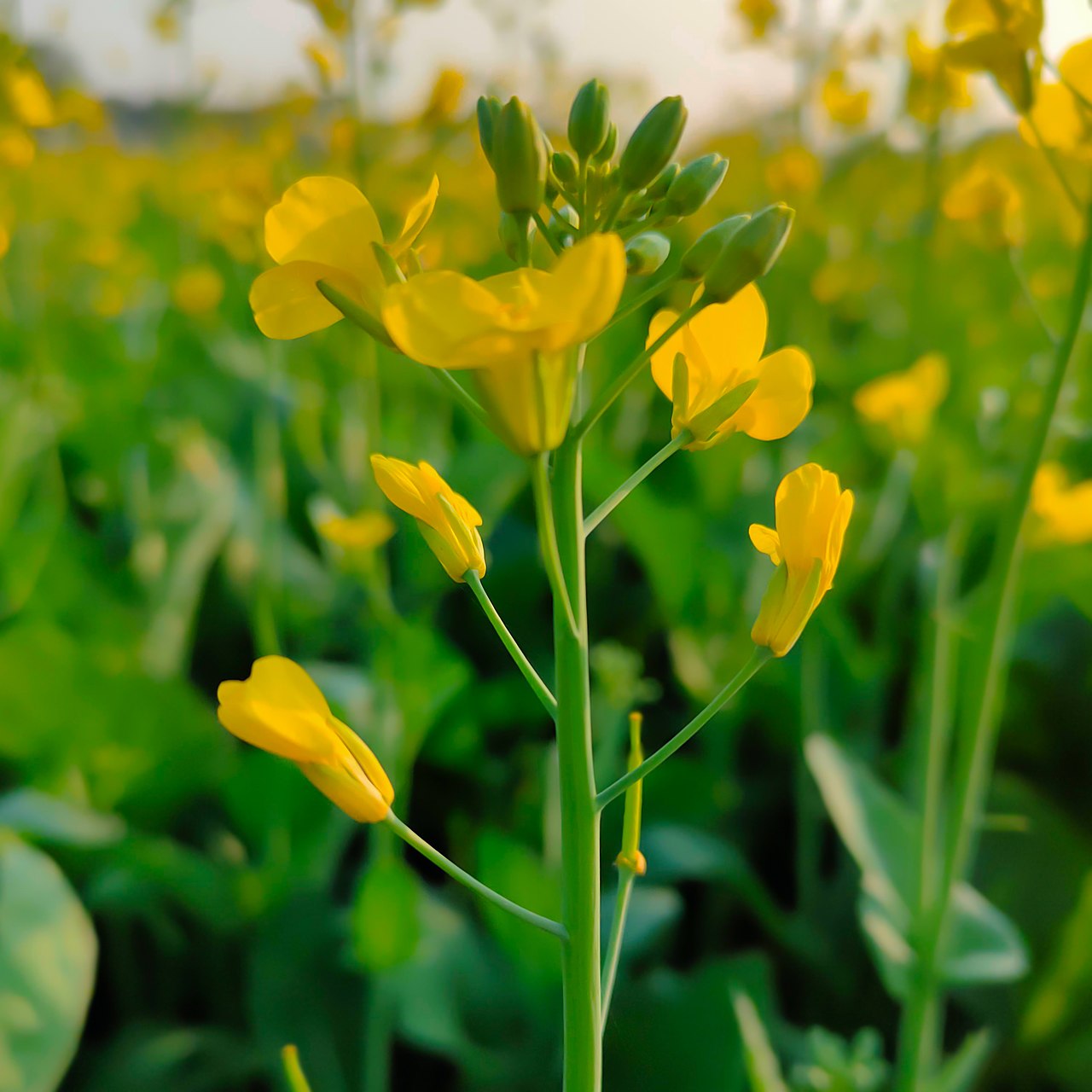


Description and main characteristics
Mustard plants are typically annual or biennial herbs with simple leaves and racemes of small yellow or white flowers that develop into pods (siliques) containing multiple seeds. Key agricultural and culinary traits include:
- Small, hard seeds that vary in color—yellow, brown, or black—affecting heat and aroma.
- Leaf forms ranging from tender greens to coarser, spicy salad leaves.
- Rapid growth and adaptability, which have led to their cultivation in many temperate regions.
Species, distribution and history
Several taxa are commonly called mustard. White or yellow mustard species native to the Mediterranean and nearby regions have long been cultivated in Europe and North Africa. For example, forms related to Sinapis hirta occur in areas such as North Africa and the Middle East. Brown or Indian mustard (for instance B. juncea) originated in the Himalayan foothills and is now grown commercially in countries including the UK, Canada and the US. Black mustard (B. nigra and related forms) has been introduced to parts of South America such as Argentina and Chile, as well as temperate zones worldwide. The genus Brassica also includes familiar crops such as cabbages, cauliflower, rapeseed and turnips; these relationships have made mustard plants important in studies of plant breeding and genetics.
Uses and economic importance
Mustard plants serve multiple culinary and industrial purposes. The seeds are the primary raw material for table mustard and are used as a spice in whole or ground form. Leaves provide nutritious salad and cooking greens. Seed oil is consumed locally in some cuisines and has industrial applications. In recent years, breeders and researchers have explored varieties with higher oil content for conversion to biodiesel, a renewable liquid fuel. After oil extraction, the residual seed meal can supply protein-rich animal feed and has been found to function as a natural pesticide in some contexts, owing to bioactive compounds in the meal.
Cultivation, processing and distinctions
Mustard crops are generally sown in cool seasons, tolerate a range of soils, and can be used in rotations to suppress weeds. Processing ranges from simple hand-grinding for home condiments to industrial pressing for oil and mechanical extraction of meal. A notable scientific point is the close genetic relationship among many Brassica and Sinapis species, which has both complicated and enabled hybridization and crop improvement efforts. It is important to note that the edible mustard plant and its products are entirely distinct from the toxic chemical warfare agent known as mustard gas, which is associated with chemical warfare and unrelated toxicology.
Further reading and resources about mustard anatomy, cooking uses, and agricultural practices are available through specialist horticultural guides and seed suppliers; for quick reference on botanical classification and crop uses, consult reputable plant manuals or extension services represented by the links above.
Questions and answers
Q: What is mustard?
A: Mustard is a condiment made from the tiny seeds of plants belonging to the genera Brassica or Sinapis.
Q: How is mustard oil made?
A: Mustard oil is made by pressing the seeds of certain kinds of mustard plants.
Q: What other plants are in the genus Brassica?
A: The genus Brassica also includes cabbages, cauliflower, rapeseed and turnips.
Q: Is there any connection between mustard and mustard gas?
A: No, there is no connection between mustard and mustard gas; they are completely unrelated.
Q: What kind of research has been done on mustards recently?
A: Recently there has been research into varieties of mustards that have a high oil content for use in the production of biodiesel, a renewable liquid fuel similar to diesel fuel.
Q: Are edible leaves produced by some kinds of mustard plants?
A: Yes, some kinds of mustard plants produce edible leaves known as mustard greens.
Q: What benefits can be derived from using leftover meal after pressing out the oil from mustards?
A: The leftover meal after pressing out the oil has been found to be an effective pesticide.
Related articles
Author
AlegsaOnline.com Mustard plant (Brassica and Sinapis species) Leandro Alegsa
URL: https://en.alegsaonline.com/art/67811