
Musaceae — the banana family: overview, traits, uses
Musaceae is a small family of large, herbaceous tropical plants including bananas and plantains; notable for their pseudostems, edible fruits, and importance in agriculture and culture.
Overview
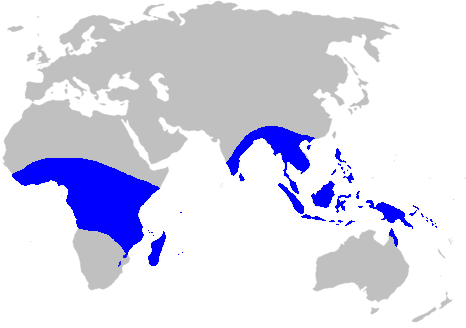
The Musaceae are a family of flowering plants best known for bananas and plantains. These plants belong to the order Zingiberales and are native to the Old World tropics, especially Southeast Asia, parts of Africa, Australia and islands of the South Pacific. Members of the family are herbaceous perennials that can reach the size and appearance of small trees because of a prominent false stem.
Image gallery
3 Images
Morphology and key characteristics
Musaceae species have very large leaves whose sheathing bases overlap to form a pseudostem, often mistaken for a woody trunk. The true stem is an underground rhizome. Flowers are produced on large inflorescences and develop into fleshy berries (the banana fruit). Plants in the family are generally unbranched above ground and die back after fruiting, with new shoots emerging from the rhizome.
Taxonomy, distribution and history
Traditionally the family includes the genera Musa and Ensete, and some treatments recognize Musella. Wild species occur across tropical Africa, mainland and island Southeast Asia, northern Australia, and the Pacific islands. Human cultivation of Musa for edible fruit began many millennia ago in New Guinea and Southeast Asia and spread with human migration and trade.
Uses, cultivation and economic importance
Bananas and plantains are globally important food crops, consumed fresh or cooked and traded internationally. Beyond fruit, leaves are used as plates and wrappers, stems and fibers provide materials for cordage and textiles, and some species are grown ornamentally. Commercial cultivation relies on vegetative propagation of selected clones; this makes crops vulnerable to pests and diseases such as Fusarium wilt.
Distinguishing notes and conservation
Musaceae are notable for their large stature among non-woody plants and for fruits that in many edible forms are seedless and parthenocarpic. Wild relatives remain important genetic resources for breeding disease resistance and adapting crops to changing climates. Conservation of wild taxa and traditional varieties supports food security and cultural practices in many tropical regions.
Further reading and resources
- Family summary for Musaceae
- Zingiberales: related plant group
- Old World tropics distribution
- Herbaceous habit and growth form
- Leaf morphology and structure
- Pseudostem (false stem) explanation
- Appearance often described as tree-like
- Species list and diversity
- African native species
- East Asian occurrences
- Australian and Pacific distribution
- South Pacific island species
- Bananas (cultivated)
- Plantains (starchy cooking bananas)
- Fruit uses and culinary importance
Questions and answers
Q: What is Musaceae?
A: Musaceae is a family of flowering plants found in the order Zingiberales, native to the tropics of the Old World.
Q: How are the plants in the Musaceae family characterized?
A: Plants in the Musaceae family are characterized by being large herbs with very big leaves, with lower parts of the leaves forming a false stem so they appear as trees.
Q: Where are species of the Musaceae family native to?
A: Species of the Musaceae family are native to the tropics of Africa, East Asia, Australia, and South Pacific.
Q: What are some of the fruits grown from Musaceae species?
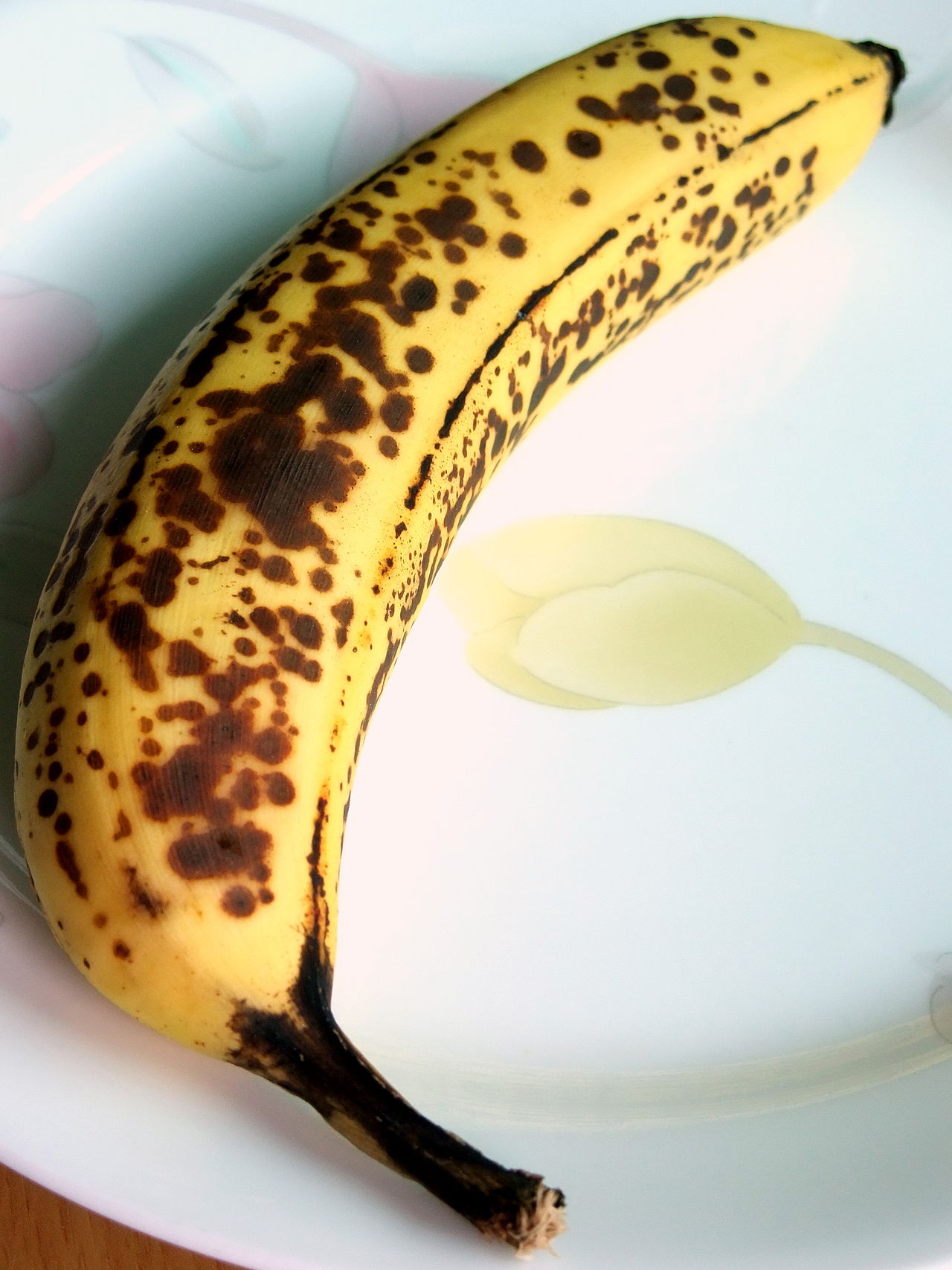
A: Some of the fruits grown from Musaceae species include bananas and plantains, which are grown in all tropical countries.
Q: What is the order in which Musaceae is found?
A: Musaceae is found in the order Zingiberales.
Q: What regions are the tropics of the Old World preserved in?
A: The tropics of the Old World are preserved in regions such as Africa, Asia, and Australia.
Q: What is the reason for growing banana plants in tropical countries?
A: Banana plants are grown in tropical countries for their fruits.
Related articles
Author
AlegsaOnline.com Musaceae — the banana family: overview, traits, uses Leandro Alegsa
URL: https://en.alegsaonline.com/art/67690
Sources
- botany.si.edu : "Families in the Zingiberales - Musaceae"
- efloras.org : "Musaceae in Flora of China"
- mobot.org : "Zingiberales - Musaceae"
- books.google.com : Genera Plantarum, secundum ordines naturales disposita juxta methodum in Horto Regio Parisiensi exaratam
- worldcat.org : 315729
- apps.kew.org : World Checklist of Selected Plant Families
- delta-intkey.com : "Angiosperm families - Musaceae"