
Municipalities of Slovenia
Overview of Slovenia's 212 municipalities: structure, languages, city municipalities, notable extremes in area and population, history of local self-government, and administrative roles.
The Republic of Slovenia is divided into 212 municipalities that serve as the basic units of local self-government. These entities, known in Slovene as občine (singular občina), vary widely in size, population and administrative responsibilities. Eleven of the municipalities hold the status of city municipalities (special urban municipalities), which gives them additional duties related to urban planning and services. For general information about the country and context, see Slovenia, and for an official list and data on local units consult municipalities.
Image gallery
10 Images


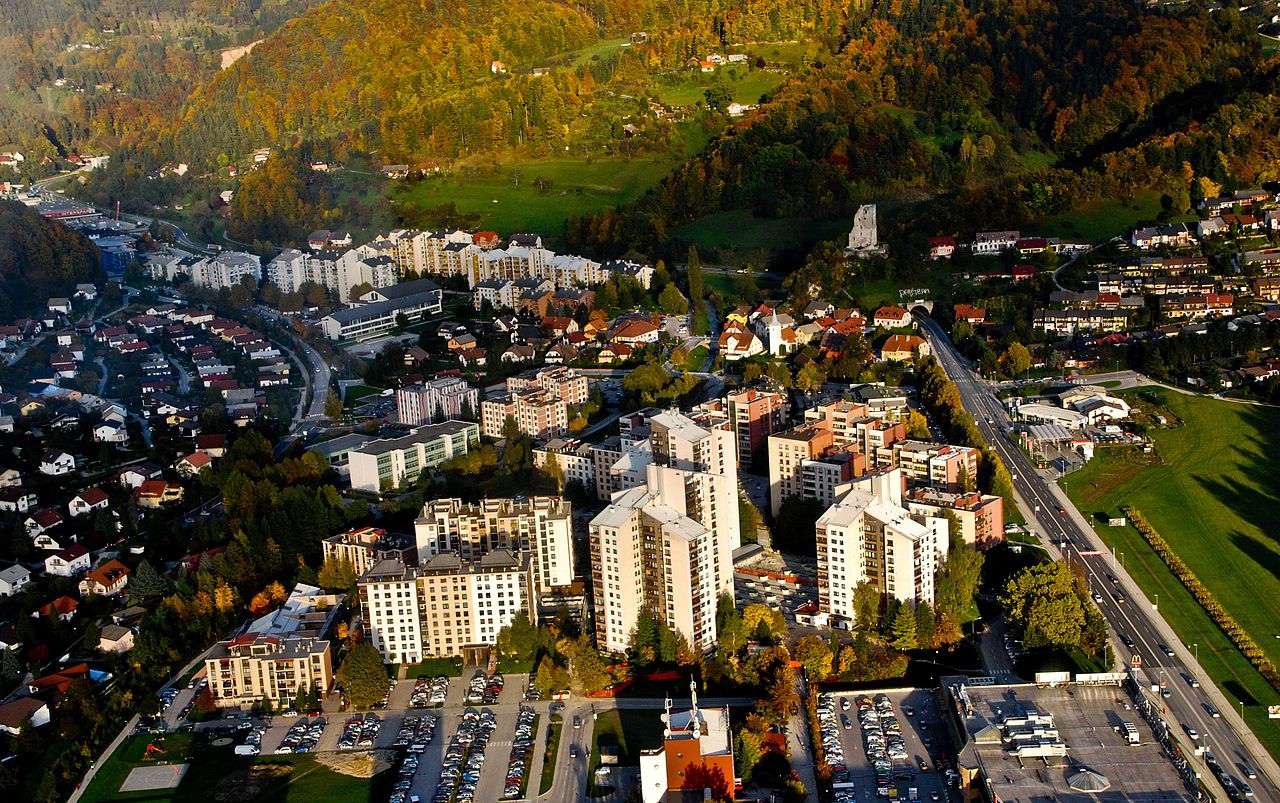


Structure and functions
Municipalities carry out a range of public tasks on a local level, including spatial planning, local roads, primary education, social services, utility services and local economic development. Governance typically comprises an elected municipal council and an executive headed by a mayor (in Slovene, župan), supported by a municipal administration. The precise competences and funding arrangements are set by national law and by municipal statutes.
Types and distinctions
Two broad categories are commonly recognised: ordinary municipalities and city municipalities. City municipalities are urban centres with wider administrative responsibilities and often greater population density; ordinary municipalities may be predominantly rural or mixed. The national language, Slovene, is the official language in every municipality; see Slovene for linguistic background and official language matters.
Bilingual areas and minority languages
Slovenia recognises minority language rights in several municipalities where historical communities use other languages. Hungarian is co-official in three Prekmurje municipalities: Dobrovnik/Dobronak, Hodoš/Hodos and Lendava/Lendva. Italian is co-official in four municipalities in the Slovene Littoral: Ankaran/Ancarano, Izola/Isola, Koper/Capodistria and Piran/Pirano. For background on the Hungarian minority see Hungarian and for the Italian-speaking communities see Italian.
History and development
The present system of municipalities developed through political and administrative changes in the late 20th century as Slovenia moved to independent statehood and strengthened local self-government. Over time legislation has clarified the roles of local authorities and procedures for establishing, merging or altering municipal boundaries. Municipalities continue to evolve in response to demographic shifts, urban growth and policy reforms.
Notable facts, examples and extremes
Practical examples illustrate the range of Slovenian municipalities. The capital and largest city in population is Ljubljana, which functions as both a national urban centre and a municipality with comprehensive services. The municipality with the largest land area is Kočevje, while the smallest by area is Odranci. Population extremes include very small communities such as Hodoš, which counts only a few hundred inhabitants. The eleven municipalities that enjoy city status vary considerably in size and character.
- Number of municipalities: 212
- City municipalities: 11 (urban municipalities with extended duties)
- Bilingual municipalities (Hungarian): Dobrovnik/Dobronak, Hodoš/Hodos, Lendava/Lendva
- Bilingual municipalities (Italian): Ankaran/Ancarano, Izola/Isola, Koper/Capodistria, Piran/Pirano
- Largest by area: Kočevje
- Smallest by area: Odranci
- Most populous municipality: Ljubljana
- Least populous: Hodoš
Municipalities remain the main point of contact between citizens and public administration in Slovenia: they deliver many everyday services, shape local development, and provide a forum for democratic participation. For additional official resources and statistical details consult national or municipal portals linked from authoritative pages and documents.
Questions and answers
Q: How many municipalities are there in Slovenia?
A: There are 212 municipalities in Slovenia.
Q: How many cities municipalities are there in Slovenia?
A: There are 11 cities municipalities in Slovenia.
Q: What are the official languages of all municipalities in Slovenia?
A: Slovene is the official language of all municipalities in Slovenia.
Q: Which municipalities in the Prekmurje region have Hungarian as a second official language?
A: The municipalities of Dobrovnik/Dobronak, Hodoš/Hodos and Lendava/Lendva have Hungarian as a second official language.
Q: Which municipalities in the Slovene Littoral region have Italian as a second official language?
A: The municipalities of Ankaran/Ancarano, Izola/Isola, Koper/Capodistria and Piran/Pirano (of which one has urban status) have Italian as a second official language.
Q: Which is the largest municipality in Slovenia in terms of area?
A: The largest municipality in Slovenia in terms of area is Kočevje with 555 km2 (214 sq mi).
Q: Which is the smallest municipality in Slovenia in terms of area?
A: The smallest municipality in Slovenia in terms of area is Odranci with only 7 km2 (2.7 sq mi).
Related articles
Author
AlegsaOnline.com Municipalities of Slovenia Leandro Alegsa
URL: https://en.alegsaonline.com/art/67553
Sources
- stat.si : "Statistical data for municipalities, 2008-2012"