
MS Explorer: Antarctic expedition ship and its 2007 sinking
MS Explorer, originally Lindblad Explorer, was the first cruise ship built for Antarctic waters; it struck submerged ice and sank in 2007. The incident shaped polar cruise safety and rescue response.
Overview
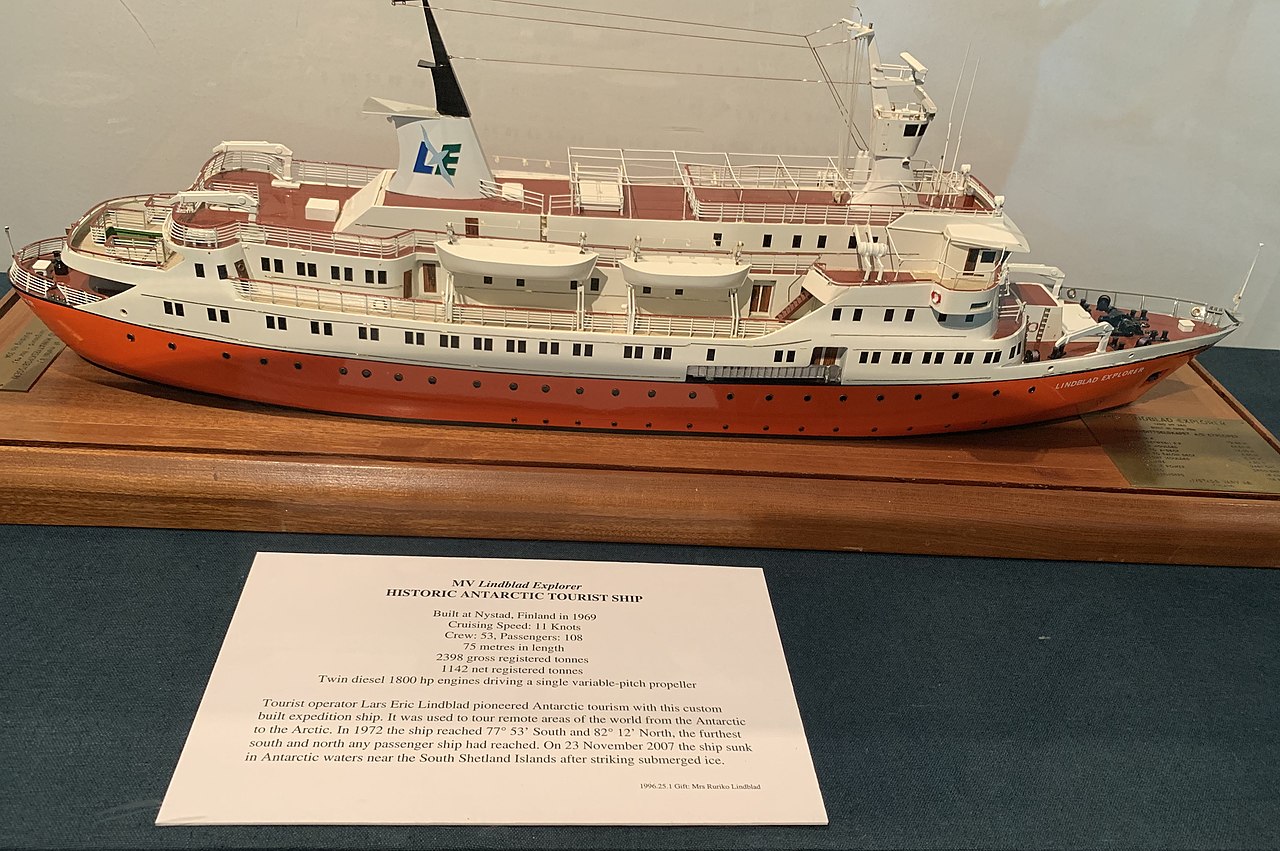
The MS Explorer (MS = motor ship) was a small expedition cruise vessel built and outfitted to operate in cold, polar waters. Launched for voyages to the Antarctic and subantarctic regions, it entered service under the name Lindblad Explorer and later sailed as the Society Explorer before becoming widely known simply as the MS Explorer. The ship was registered under the flag of Liberia and was commonly used to carry tourists, scientists and naturalists on voyage of exploration in the Southern Ocean and surrounding seas.
Image gallery
8 Images



Design and characteristics
The Explorer was designed with features intended for operation in icy, cold environments: a strengthened hull, heating and insulation appropriate for polar climates, and systems configured for remote operations. These characteristics made it one of the first purpose-built cruise ships for Antarctic tourism, enabling access to bays, ice-strewn passages and landing sites that larger, conventional cruise ships could not reach. Its relatively small size and shallow draft were advantages for expedition-style itineraries.
Operational history
The vessel was originally commissioned by Swedish expedition pioneer Lars-Eric Lindblad, who helped establish modern nature-focused travel to remote regions. Over the decades the ship changed owners and names, and in 2004 it was acquired by the Toronto-based travel company G.A.P Adventures. Her regular routes included voyages around Antarctica, the South Shetland Islands and nearby archipelagos, carrying passengers on short excursions, landings and wildlife viewing trips conducted from small inflatables and gangways.
Sinking on 23 November 2007
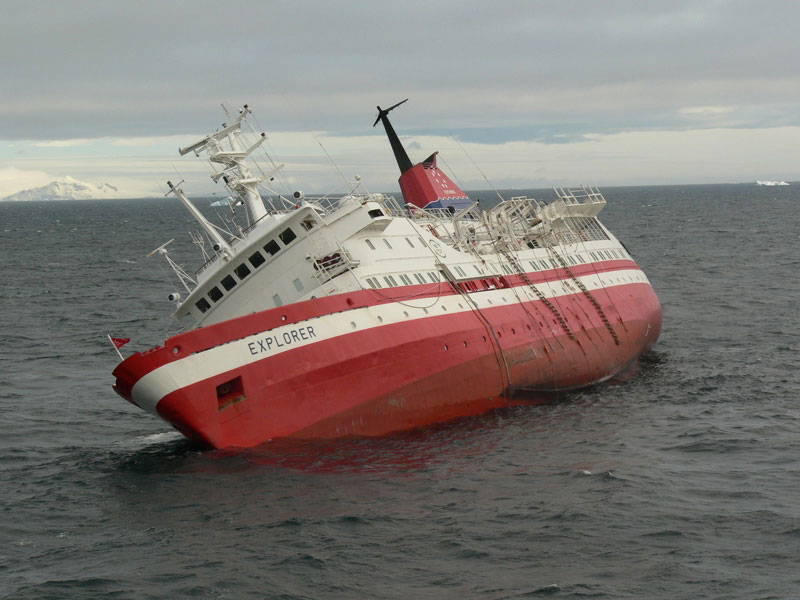
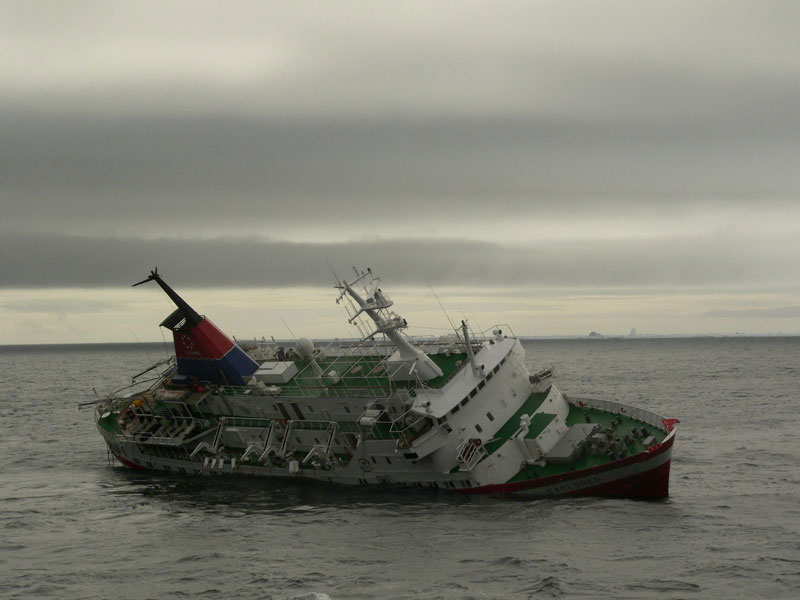
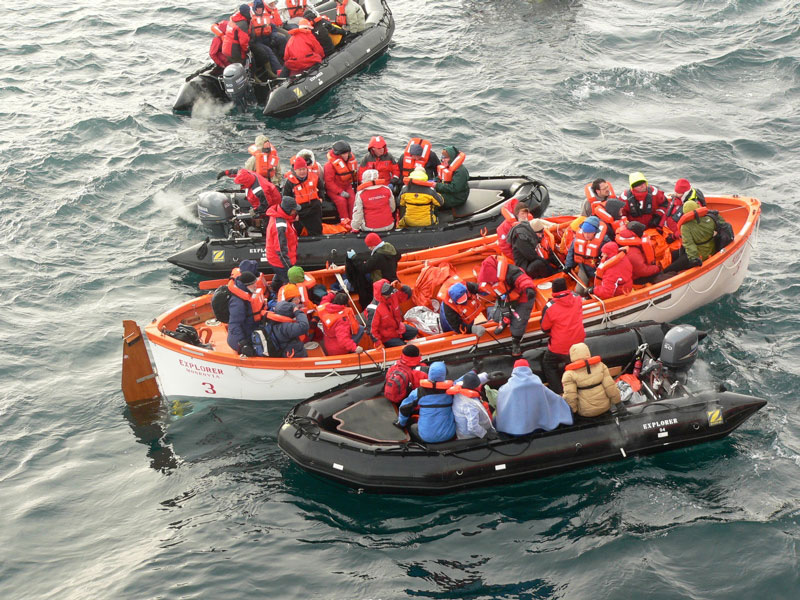
On 23 November 2007 the MS Explorer struck an unidentified submerged object, believed to have been ice, while operating in the Bransfield Strait between the South Shetland Islands and Graham Land. The collision reportedly opened a breach in the hull; reports described a gash several inches across that allowed water ingress. The ship took on water and began to founder, prompting an evacuation in the early hours. All passengers and crew were successfully put into lifeboats and life rafts and were transferred to nearby vessels or rescued by responding ships and authorities.
Rescue and confirmation of loss
The crew implemented emergency procedures and international vessels in the region assisted in the evacuation. The event occurred in a typically stormy stretch of the Southern Ocean, although conditions were reported as unusually calm at the time of the accident. The Chilean authorities and naval forces coordinated elements of the response, and the ship's sinking was later confirmed by the Chilean Navy. Reported final position fixes placed the wreck in waters with depths on the order of hundreds of metres, where the vessel subsequently submerged.
Aftermath and significance
The loss of the Explorer marked the first recorded sinking of a cruise ship in Antarctic waters and served as a wake-up call for the expedition cruising industry. In its wake, operators, insurers and maritime regulators reviewed safety procedures for polar operations, including hull reinforcement standards, voyage planning around sea ice, emergency drills, lifeboat readiness and coordination with shore-based rescue services. The incident prompted broader discussions about the risks and responsibilities inherent in commercial tourism in remote and environmentally sensitive regions.
Notable distinctions
- First purpose-built Antarctic cruise ship: The Explorer is remembered as an early vessel designed specifically for polar tourism.
- First cruise vessel lost in Antarctic waters: Its sinking remains a reference case for safety and environmental risk in polar expedition cruising.
- Operational legacy: The event influenced subsequent ship design choices and emergency preparedness for small expedition liners operating near ice.
For further reading on the ship, polar expedition history and maritime safety developments prompted by the loss of the MS Explorer, see sources and authorities on polar tourism and maritime incident reports. Additional contextual information can be found through national registries and naval agencies that document incidents in Southern Ocean waters, and through organizations tracking the history of Antarctic exploration and tourism.
Flag information | Antarctica | Lars-Eric Lindblad | G.A.P Adventures | Southern Ocean | Chilean Navy | Graham Land
Questions and answers
Q: What is the MS Explorer?
A: The MS Explorer was a cruise ship designed for use in cold areas like Antarctica.
Q: What did MS stand for in MS Explorer?
A: MS in MS Explorer stands for motor ship.
Q: Who was the original owner of the Explorer?
A: The Explorer was originally ordered by the Swedish explorer Lars-Eric Lindblad.
Q: Who was the last owner of the Explorer?
A: The last owner of Explorer was the Toronto-based travel company G.A.P Adventures.
Q: When did the Explorer sink?
A: The Explorer sank on November 23, 2007.
Q: Where did the Explorer sink?
A: The Explorer sank in the Bransfield Strait, between South Shetlands and Grahams Land, in the Southern Ocean.
Q: What was the cause of the sinking of the Explorer?
A: The Explorer sank after striking an unidentified submerged object, thought to be ice, which caused a gash in the hull.
Author
AlegsaOnline.com MS Explorer: Antarctic expedition ship and its 2007 sinking Leandro Alegsa
URL: https://en.alegsaonline.com/art/67290
Sources
- washingtonpost.com : "Cruise Ship Sinks Off Antarctica"
- cbsnews.com : "154 Rescued From Sinking Ship In Antarctic: Passengers, Crew Boarding Another Ship After Wait In Lifeboats; No Injuries Reported"
- news.aol.com : news.aol.com/story/_a/doomed-ship-defies-antarctica-odds/20071123061209990001?ncid=NWS000…
- falklandnews.com : "MS Explorer — situation report"
- shippingtimes.co.uk : MV EXPLORER Cruise Ship Sinking In South Atlantic
- aamulehti.fi : "Explorer syntyi talvisodan hengessä (in Finnish)[[Category:Articles with Finnish-language sources (fi)]]"
- query.nytimes.com : Lars-Eric Lindblad, 67, Pioneer Of Tours to Exotic Destinations
- members.shaw.ca : Erik Langeland
- news.bbc.co.uk : "Cruise boat sinking off Argentina"
- philatelie-polaire.com : Philatelie Polaire
- nydailynews.com : Antarctic cruise ship tourists live to tell 'Titanic 2' jokes
- belfasttelegraph.co.uk : Ulster grandad set for home after Antarctic rescue drama
- thestar.com : Canadian ship lost in Antarctic
- armada.cl : "Armada apoya labores de rescate de buque de pasajeros Explorer"
- dagbladet.no : "Passengers are being rescued from the M/S Explorer"