
Ms. Pac-Man (1982 arcade video game)
Ms. Pac-Man is a 1982 arcade maze game derived from Pac-Man. Released by Midway, it introduced new mazes, moving fruits, intermission scenes and became one of the most successful American arcade titles.
Ms. Pac-Man is a classic arcade video game released by Midway on January 13, 1982. Built from the popular Pac-Man concept (Pac-Man), it updated the original formula with an identifiable female protagonist, revised level designs and altered enemy behavior. Its approachable rules, colorful presentation and rapid play sessions helped make it one of the best-selling and most recognized arcade games of the early 1980s.
Image gallery
3 Images

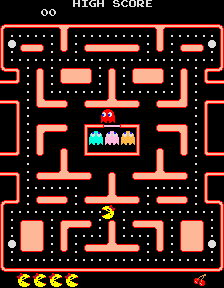
Gameplay and characteristics
At its core, Ms. Pac-Man preserves the maze‑chase structure of Pac-Man: the player guides the titular character through a maze, eating pellets while avoiding four ghosts. Ms. Pac-Man introduces multiple distinct mazes rather than repeating a single layout, and the bonus fruits move around the playfield instead of appearing in a fixed spot. The game also features brief intermission animations between levels and slightly altered ghost movement patterns, which produce a different strategic feel compared with the original.
Development and origin
The title did not begin as an official Namco sequel. A small development company produced an enhancement kit for Pac-Man that altered mazes and gameplay; Midway eventually licensed and adapted that work and released it as Ms. Pac-Man. Although initially an American release, the game’s popularity led Namco to embrace it as part of the broader Pac‑Man family. The character design—distinguished by a bow and lipstick—was intended to signal a feminine mascot while keeping the familiar round yellow look.
Reception and legacy
Ms. Pac-Man was a major commercial success in arcades and remains one of the most widely played titles from the golden age of arcade games. It is frequently cited for improving on the original by increasing variety and unpredictability, making it more appealing to experienced players and newcomers alike. Midway’s release sold tens of thousands of cabinets; it has been reissued on many home systems and anthologies, and its influence appears in later maze and casual games.
Notable distinctions and features
- New maze designs and level variety — see examples of the altered mazes.
- Moving bonus items that change the risk–reward decisions during play.
- A female lead character that broadened the franchise’s appeal.
- Created from an independent enhancement project and later commercialized by a major manufacturer.
For further reading about arcade history, gameplay variants and ports, consult collections of classic game retrospectives and official compilations. Ms. Pac-Man remains a frequently cited example of how modest mechanical changes and fresh presentation can rejuvenate a popular gameplay concept into a lasting cultural touchstone. For archived cabinet listings and technical details, see specialized resources and museum collections that document arcade hardware and software.
Arcade sources and retrospective analyses often compare Ms. Pac-Man to its predecessor and to subsequent Pac‑Man titles; these comparisons highlight its role as both an adaptation and an influential standalone game.
Questions and answers
Q: Who made Ms. Pac-Man?
A: Ms. Pac-Man was made by Midway Manufacturing (now Midway Games).
Q: When was Ms. Pac-Man released?
A: Ms. Pac-Man was released on January 13, 1982, one year after Pac-Man.
Q: What changes did Ms. Pac-Man bring to the gameplay from Pac-Man?
A: Ms. Pac-Man brought changes to the gameplay from Pac-Man, including new mazes and a female character.
Q: What impact did Ms. Pac-Man have on the video game industry?
A: Ms. Pac-Man became one of the most popular video games of all-time after its release and led Namco to make the game into an official title in the Pac-Man series.
Q: How many arcade cabinets of Ms. Pac-Man were sold?
A: Ms. Pac-Man is the most successful American-made arcade game, having sold 115,000 arcade cabinets.
Q: What are the differences between Ms. Pac-Man and Pac-Man?
A: Ms. Pac-Man has a female character, new mazes, and changes in gameplay from Pac-Man.
Q: Why did Namco make Ms. Pac-Man an official title in the Pac-Man series?
A: Namco made Ms. Pac-Man an official title in the Pac-Man series due to the game's popularity after its release.
Related articles
Author
AlegsaOnline.com Ms. Pac-Man (1982 arcade video game) Leandro Alegsa
URL: https://en.alegsaonline.com/art/67287
Sources
- www2.canada.com : "Pellet-popping power: Pac-Man turns 30 today"
- donhodges.com : Donhodges.Com—Ms. Pac-Man's Kill Screens Analyzed And Fixed