
Motocross: Off‑Road Motorcycle Racing and Its Culture
Motocross is an off‑road motorcycle racing discipline held on natural or man‑made circuits. This article explains its tracks, bikes, equipment, competition formats, history and notable distinctions.
Motocross is a form of off‑road motorcycle racing conducted on closed circuits that combine varied terrain, jumps and obstacles. Races are run on dirt or soil courses rather than paved tracks, demanding a blend of physical fitness, machine control and tactical awareness. Organized events may be called motos, rounds or meetings, and they occur in many climates and environments. For an introduction to the discipline see Motocross basics and for how it relates to other two‑wheel sports see racing categories.
Image gallery
10 Images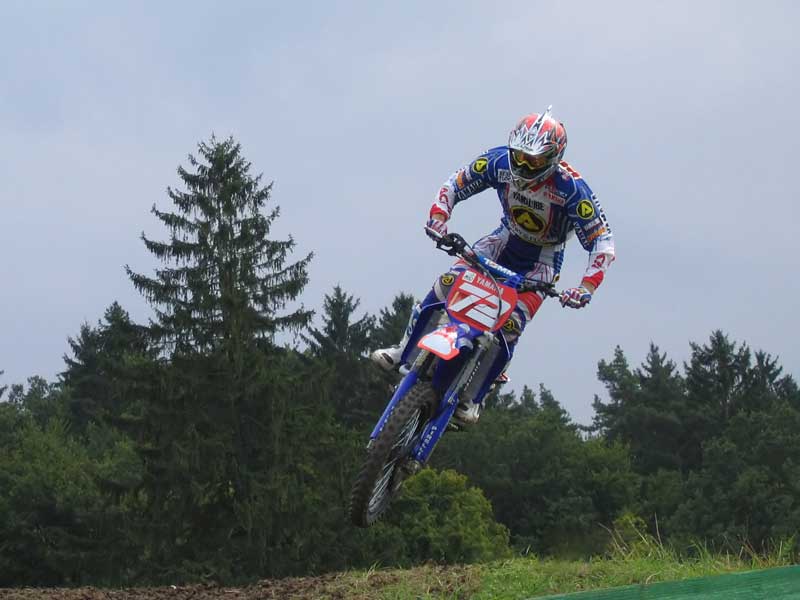




Characteristics of the sport and equipment
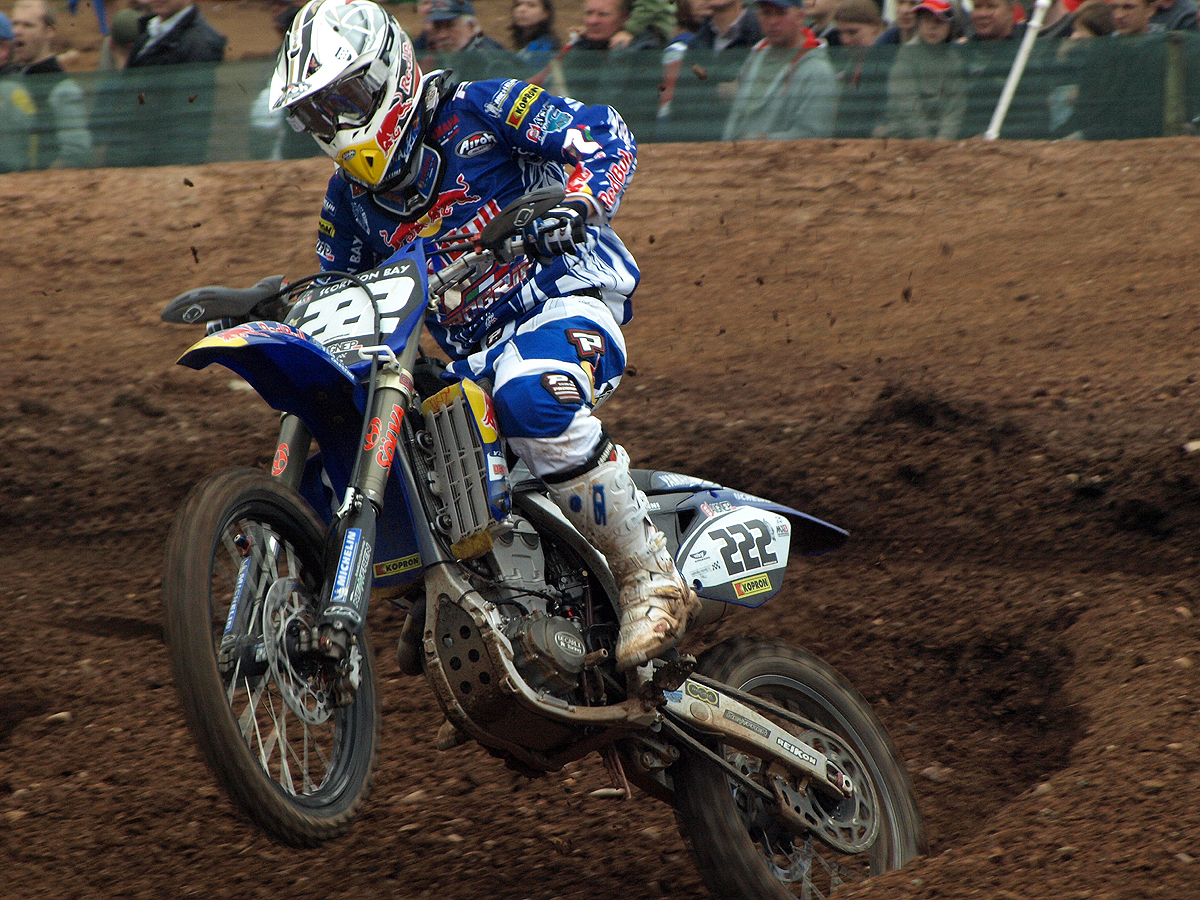
Tracks vary widely but typically include steep climbs, whoop sections, rhythm jumps and banked corners (berms). Bikes used in motocross are purpose‑built: lightweight frames, long‑travel suspension, strong braking systems and knobby tires. Both two‑stroke and four‑stroke engines are common at different class levels. Riders rely on protective gear—helmets, goggles, neck braces, jerseys, pants, boots and body armor—to reduce injury risk in a high‑impact environment.
- Typical track features: jumps, tabletops, whoops, berms and ruts.
- Common protective gear: full‑face helmets, goggles, chest protectors and reinforced boots.
- Bike differences: displacement classes, suspension travel and gearing tuned for off‑road traction.
History and development
The sport evolved from early off‑road and trials competitions in the United Kingdom during the first half of the 20th century, when riders began racing over natural terrain rather than on roads. Over decades it professionalized, spawning national and international championships and specialized machines. Influential competitions and rule‑making bodies shaped the modern sport; for background on its competitive roots see sources about motorcycle trials and historical meetings noted by organizers and commentators in historical accounts. The United Kingdom remains important to the sport's origins and culture in regional histories.
Competition format and notable events
Events are commonly run in classes divided by age and engine size. Races are often short, high‑intensity sprints where multiple motos determine overall results for a meeting. At the international level, championships are contested over several rounds with points awarded per finish; prominent series and gatherings bring together national teams and factory riders. Stadium‑based variants called Supercross use tighter, man‑made tracks, while traditional outdoor motocross emphasizes natural terrain and longer laps. For a guide to prominent competitions see major motocross events.
Beyond competition, motocross is a training ground for technical riding skills and mechanical understanding. It has influenced motorcycle design and inspired recreational riding, though it raises environmental and safety considerations that organizers manage through rules, track maintenance and safety protocols. Whether followed for professional sport or weekend recreation, motocross remains a dynamic, physically demanding and technically rich branch of motorcycle motorsport.
Questions and answers
Q: What is motocross?
A: Motocross is a form of motorcycle racing that takes place on an off-road circuit.
Q: Where did motocross originate from?
A: Motocross originated from motorcycle trials competitions that were held in the United Kingdom.
Q: Is motocross a physically demanding sport?
A: Yes, motocross is a physically demanding sport.
Q: What are the weather conditions like during a motocross race?
A: Motocross is held in all weather conditions.
Q: Is motocross a high-octane sport?
A: Yes, motocross is a high-octane sport.
Q: Are there many competitive events in motocross?
A: Yes, there are many competitive events in motocross.
Q: What type of circuit is used in motocross racing?
A: Motocross racing is done on an off-road circuit.
Related articles
Author
AlegsaOnline.com Motocross: Off‑Road Motorcycle Racing and Its Culture Leandro Alegsa
URL: https://en.alegsaonline.com/art/66914
Sources
- fim-live.com : "History of Individual Motocross World Championships"
- mxstore.com.au : "Motocross Helmet Buyer's Guide"
- mxstore.com.au : "Motocross Goggle Buyer's Guide"
- mxstore.com.au : "Why Wear Knee Braces and How Should They Fit"
- mxstore.com.au : "Motocross Boots Buying Guide"