
Most Faithful Majesty
Honorific style used for the monarchs of Portugal, conferred by the pope and used in formal, diplomatic, and ceremonial contexts until the end of the monarchy.
Most Faithful Majesty is an honorific style historically associated with the sovereigns of Portugal. Rendered in Latin as Rex Fidelissimus and in Portuguese as Sua Majestade Fidelíssima, the phrase signified a special recognition of the Portuguese crown's relationship with the Roman Catholic Church and its reputation for upholding the faith.
Image gallery
1 Image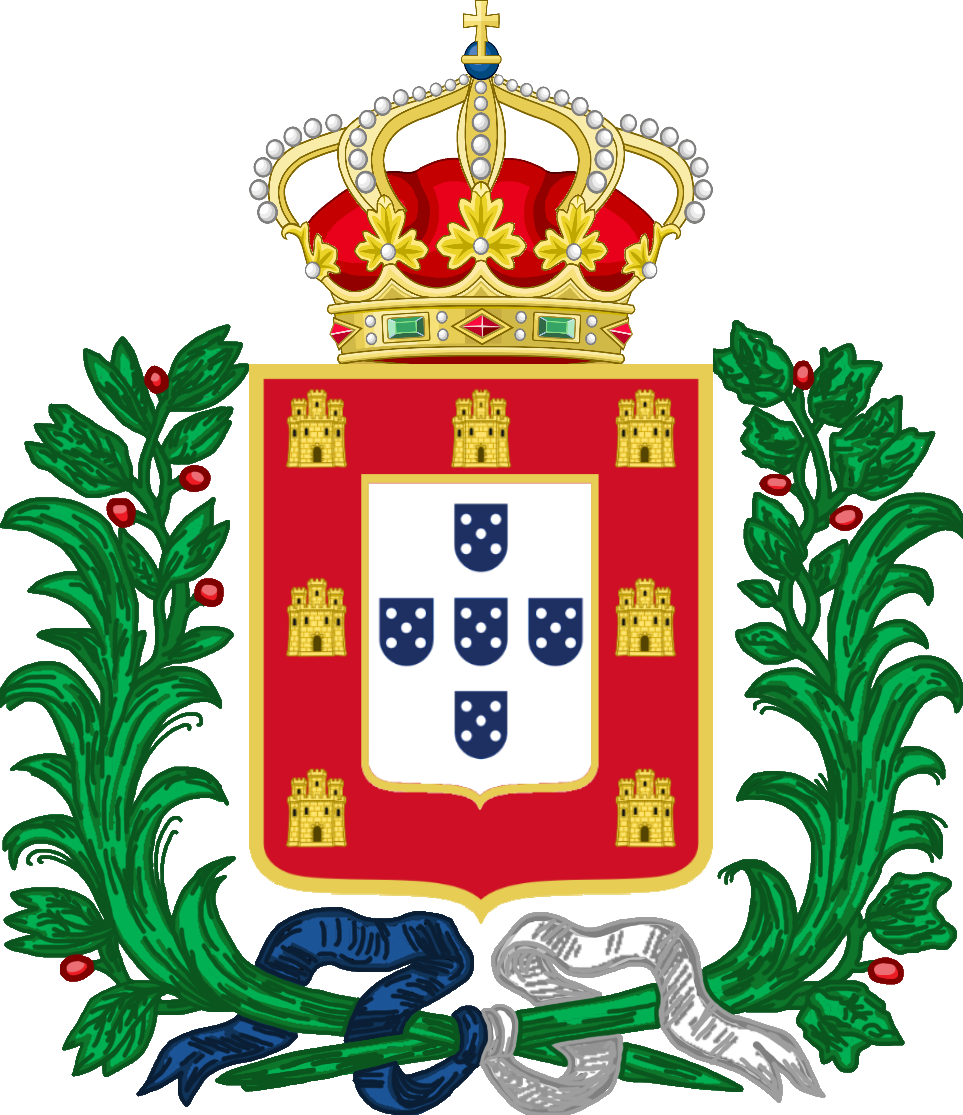
Origins and papal recognition
The title was not merely a poetic description but a formal style awarded by the pope as head of the Catholic Church. It belonged to a broader medieval and early modern practice in which pontiffs bestowed distinctive epithets on rulers to acknowledge services to the Church, missionary activity, or steadfastness in Catholic doctrine. In Portugal the style was adopted as part of the official protocol for addressing the monarch, appearing in diplomatic exchanges and ecclesiastical documents.
Use and ceremonial function
As a form of address, "Most Faithful Majesty" prefaced official letters, treaties, and ceremonial proclamations. It served to identify the Portuguese sovereign among other European monarchs who bore analogous papal honors—for example, the Spanish king was known by the style often translated as "Most Catholic Majesty," while the French king carried the title "Most Christian Majesty." The Portuguese style underscored the crown's leading role in supporting missionary work and maintaining Catholic institutions within its realms and overseas territories.
Historical context and significance
The title gained public prominence through its inclusion in court etiquette, state papers, and diplomatic lists. It reflected Portugal's close ties to the papacy and its long involvement in maritime exploration and colonial expansion, activities that were frequently framed in contemporary sources as part of a religious mission. The epithet continued to be used in official contexts until the end of the Portuguese monarchy in 1910, after which it ceased to function as a state style.
Related styles and distinctions
- Latin form: Rex Fidelissimus or the equivalent female form for a queen regnant.
- Portuguese usage: Sua Majestade Fidelíssima, used in court and ecclesiastical contexts.
- Comparative examples: the practice of papal honorifics includes other well-known styles conferred on Catholic monarchs, illustrating how the papacy recognized different dynasties for services to the Church.
For further context on the Portuguese monarchy and papal honors, see sources on the Portuguese monarchy and the role of the Pope in conferring ecclesiastical titles. These links offer background on how such styles functioned in diplomatic, religious, and ceremonial life across Europe.
Questions and answers
Q: What was the traditional style of address used for the King or Queen of Portugal?
A: The traditional style of address used for the King or Queen of Portugal was Most Faithful Majesty.
Q: What was 'Rex Fidelissimus'?
A: 'Rex Fidelissimus' was a title awarded by the Pope to the Portuguese monarchy as a spiritual head of the Catholic Church.
Q: What is the spelling of 'Most Faithful Majesty' in Portuguese?
A: The spelling of 'Most Faithful Majesty' in Portuguese is Sua Majestade Fidelíssima.
Q: Who awarded the title of 'Rex Fidelissimus' to the Portuguese monarchy?
A: The Pope awarded the title of 'Rex Fidelissimus' to the Portuguese monarchy.
Q: What is the meaning of 'Sua Majestade Fidelíssima'?
A: 'Sua Majestade Fidelíssima' means 'Most Faithful Majesty' in English.
Q: Was the title of 'Rex Fidelissimus' restricted to any specific religion?
A: Yes, the title of 'Rex Fidelissimus' was restricted to the Catholic Church.
Q: Was the style of address 'Most Faithful Majesty' unique to Portugal?
A: Yes, the style of address 'Most Faithful Majesty' was unique to Portugal.
Related articles
Author
AlegsaOnline.com Most Faithful Majesty Leandro Alegsa
URL: https://en.alegsaonline.com/art/66866