
Moses Fletcher — Mayflower passenger, Leiden Separatist, early Plymouth settler
Biography of Moses Fletcher (c.1564–1620/21), an English blacksmith, Leiden Separatist, Mayflower passenger and signer of the Mayflower Compact, with background, voyage, and legacy.
Overview
Moses Fletcher (born about 1564; died winter 1620/1621) was an English craftsman who traveled to New England on the Mayflower and was among the signers of the Mayflower Compact. He is remembered as one of the small group of householders who left England because of religious dissent, joined a Dutch congregational community in Leiden, and later embarked for Plymouth Colony.
Image gallery
2 Images
Early life and family
Fletcher appears to have been born in or near the port town of Sandwich in England. Records associate him with a trade: he worked as a blacksmith, a skilled and valued occupation in late 16th‑ and early 17th‑century communities. He married Mary Evans in 1589; sources indicate the couple raised a large family, with accounts mentioning as many as ten children. After leaving England, family circumstances changed: Mary died in Leiden and Fletcher later remarried a widow named Sarah.
Religious dissent and exile
Fletcher was aligned with the Separatists, a movement that rejected some doctrines and practices of the Church of England. Adherents often ignored or openly criticized established church rules, which brought them into conflict with local ecclesiastical authorities. On 12 June 1609, Fletcher and several associates — including the wife of future Mayflower passenger James Chilton and others involved in a disputed burial — were officially excommunicated for participating in what church authorities termed an illegal burial. This kind of sanction was one factor that pushed many Separatists to seek refuge abroad.
Leiden, departure, and the Mayflower voyage
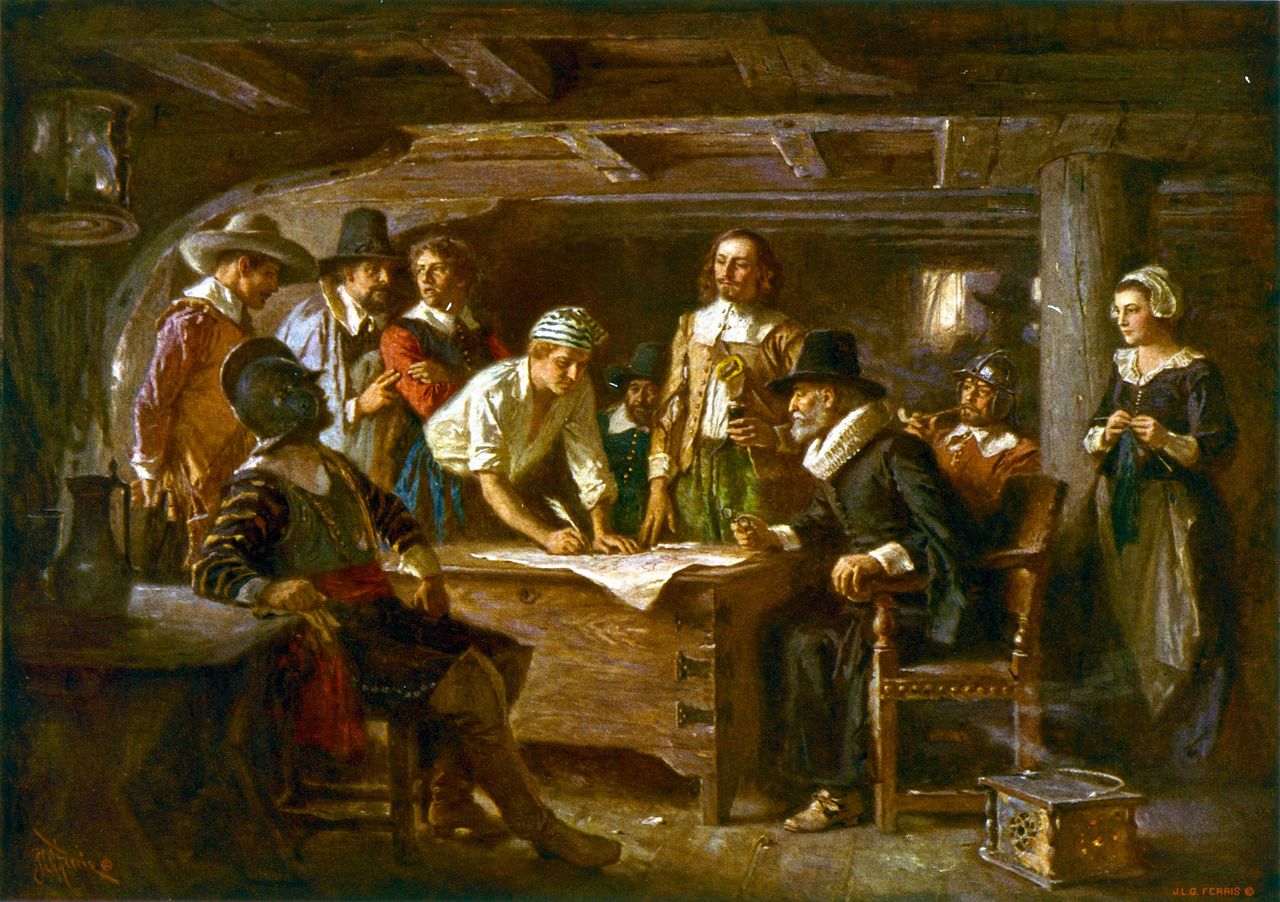
To escape persecution, Fletcher joined other Separatists who relocated to the Dutch city of Leiden in the Netherlands. In Leiden he lived among a mixed community of English émigrés, Dutch citizens, and other refugees. Fletcher remained associated with families such as the Chilton household and with other members of the Separatist congregation. In 1620 he boarded the Mayflower bound for the English colony in New England. During the voyage and upon landing, Fletcher added his name to the compact drawn up by the adult male passengers to establish a civic body, the document now known as the Mayflower Compact.
Life in Plymouth and death
Accounts indicate that Fletcher survived the ocean crossing but did not live long after arrival. Like many who came ashore that first winter, he died during the harsh months of 1620–1621 when disease and exposure took a heavy toll on the new colony. His knowledge of metalworking would have been useful in a frontier settlement, and he is generally described in source material as a blacksmith by trade (blacksmith), but there are no detailed contemporary records that document his daily activities in Plymouth before his death.
Legacy and historical significance
Moses Fletcher is remembered primarily because he was one of the passengers who signed the compact that framed early colonial self‑government. His life illustrates several themes common to the Pilgrim narrative: skilled artisans leaving England for matters of conscience, a period of exile in the Low Countries, and the severe human cost of founding a settlement in New England. Surviving references to Fletcher appear in lists of Mayflower passengers, Leiden congregation records, and ecclesiastical proceedings in England; interested readers can consult compiled passenger lists and Leiden archives for further details (Mayflower passenger lists, Leiden records, Sandwich municipal sources).
Notable facts and timeline
- c.1564: Birth in or near Sandwich, England.
- 1589: Marriage to Mary Evans; family and work as a blacksmith.
- 1609: Religious conflict and excommunication following an illegal burial incident; alignment with the Separatist movement.
- Early 1600s: Relocation to Leiden, Netherlands, with other families including the Chiltons.
- 1620: Voyage on the Mayflower, signing of the Mayflower Compact.
- Winter 1620/1621: Death in the first harsh season after arrival in the Plymouth settlement.
Fletcher’s life is a concise example of the intersection between craft, conscience, and colonization in the early Stuart period. While he left no known personal writings, references in parish, municipal, and colonial lists preserve his name among those who shaped the early years of English settlement in North America.
Questions and answers
Q: Who was Moses Fletcher?
A: Moses Fletcher was a passenger on the Mayflower in 1620 and one of the signers of the Mayflower Compact.
Q: Where was Fletcher born?
A: Fletcher was born in Sandwich in England.
Q: How many children did Fletcher have?
A: Fletcher had 10 children.
Q: What was Fletcher's profession?
A: Fletcher worked as a blacksmith.
Q: Why did Fletcher become a Separatist?
A: Fletcher became a Separatist because he did not want to be a member of the Church of England and did not follow some of the Church rules.
Q: Why was Separatism illegal in England?
A: Separatism was illegal in England.
Q: Who did Fletcher marry after the death of his first wife?
A: After the death of his first wife, Fletcher married Sarah, a widow from Leiden.
Related articles
Author
AlegsaOnline.com Moses Fletcher — Mayflower passenger, Leiden Separatist, early Plymouth settler Leandro Alegsa
URL: https://en.alegsaonline.com/art/66840
Sources
- plimoth.org : plimoth.org
- findagrave.com : findagrave.com/memorial/28971741