
Moroccan architecture: styles, features, and history
Survey of Moroccan architecture, from Berber and Islamic roots to Andalusi, dynastic and colonial influences; characteristic materials, building types, notable sites, and modern preservation.
Moroccan architecture is the built expression of a long cultural interchange among indigenous Amazigh (Berber) communities, Islamic traditions introduced from the east, Andalusi refugees from the Iberian Peninsula and later European influences. Its vocabulary ranges from compact earthen settlements to ornate urban palaces and mosques. For further contextual resources see related material.
Image gallery
10 Images


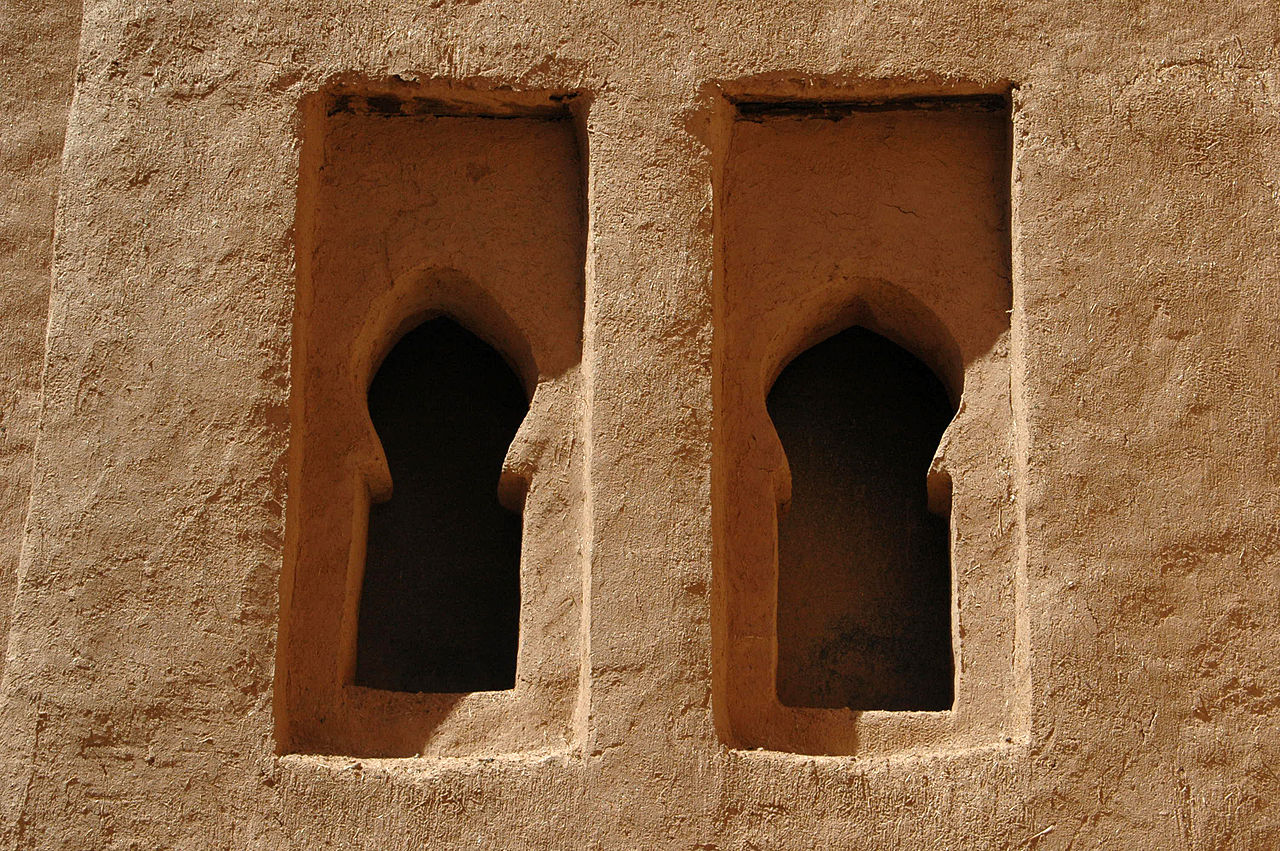


Distinctive materials and decorative techniques
Common construction materials include rammed earth and sun-dried adobe for rural buildings, stone for defensive structures, and carved cedar wood and stucco for interior ornament. Surface treatments such as zellij (geometric glazed tilework), tadelakt (polished lime plaster), carved plaster friezes and painted wood ceilings are widely used. Arches, horseshoe openings and muqarnas vaulting contribute both structural function and decorative rhythm.
Typical building types and urban forms
Traditional Moroccan settlements and buildings include:
- Medina: compact historic old towns with narrow lanes, courtyards and souks.
- Riad and dar: houses organized around an interior garden or courtyard.
- Kasbah and ksar: fortified dwellings and walled villages, often in rural and mountain areas.
- Religious and educational buildings: mosques, minarets and madrasas featuring ornamental façades and courtyards.
Historical development
Architecture in Morocco evolved through overlapping periods. Indigenous Amazigh forms persisted in vernacular settlements. With the spread of Islam came new religious building types and an emphasis on inward-facing urbanism. Refugees and craftsmen from al-Andalus added techniques and motifs that were integrated during successive dynasties, which each left distinct public monuments and urban projects. Colonial-era urban planning and 20th‑century modernization introduced European styles alongside preservation of historic quarters.
Notable examples and significance
Historic centers in cities such as Fes and Marrakesh, coastal towns like Essaouira, and monumental sites in the Atlas foothills illustrate the range of Moroccan architectural expression. Many medinas, fortified ksars and individual monuments are recognized for their cultural value and attract international interest for conservation and tourism.
Contemporary relevance and preservation
Today Moroccan architecture remains important for identity, craft economies and sustainable design: traditional materials and passive cooling strategies are of renewed interest. Conservation efforts balance tourism pressures, urban growth and the need to maintain living historic quarters. Contemporary architects sometimes blend traditional motifs with modern materials to produce new interpretations that respect regional heritage.
Questions and answers
Q: What is Moroccan architecture?
A: Moroccan architecture is a broad term used to describe all the structures built in Morocco across various time periods, including the architecture of the Berberians and the Islamic architecture that came after the Arab invasion.
Q: Where do the roots of Moroccan architecture come from?
A: The roots of the Moroccan architecture can be traced back to the first Berberians settlers from the south.
Q: What is the most notable style of architecture in Morocco?
A: The most notable style of architecture in Morocco is the Berberian Architecture that existed initially.
Q: What shaped the local style of Moroccan architecture?
A: Local Islamic architecture shaped the local style of Moroccan architecture after the Arabs entered.
Q: What are the different time periods that contributed to the development of Moroccan architecture?
A: The different time periods that contributed to the development of Moroccan architecture include the first Berberians settlers from the south, the Arab invasion from the east, and the European conquest from the north.
Q: Which period of Moroccan architecture came after the Berberian architecture?
A: The Islamic architecture that shaped the local style came after the Berberian architecture.
Q: What were the major influences on Moroccan architecture?
A: The major influences on Moroccan architecture were the cultural and historical influences of the Berberians, the Arabs, and the Europeans who came later.
Related articles
Author
AlegsaOnline.com Moroccan architecture: styles, features, and history Leandro Alegsa
URL: https://en.alegsaonline.com/art/66728