
Asmara — capital and modernist city of Eritrea
Asmara is Eritrea's capital and largest city, noted for its highland setting, Italian-era modernist architecture and local industries such as textiles, food processing and ceramics.
Overview
Asmara is the capital city of Eritrea and functions as the nation's political and economic centre. It sits on the high Eritrean plateau and is commonly described as the country's largest settlement. Population estimates vary, but the city is home to roughly half a million people — some sources list figures near 579,000 — and it serves as the administrative hub of the country.
Image gallery
10 Images




Geography and climate
Located at high altitude, Asmara enjoys a temperate climate compared with nearby lowland areas. The elevation gives cooler temperatures and distinct wet and dry seasons, shaping local agriculture and daily life. Urban green spaces, avenues and wide boulevards reflect colonial-era planning adapted to the highland environment.
History and architecture
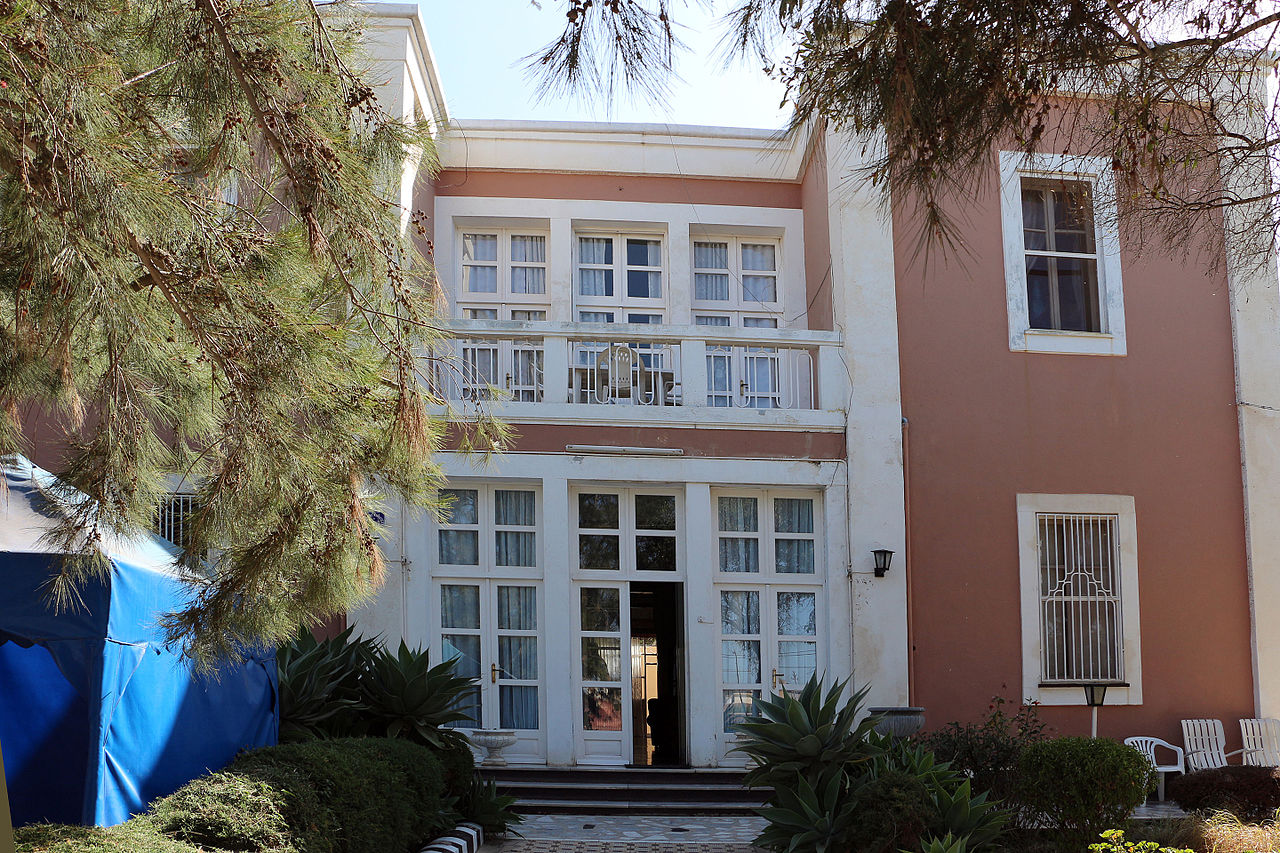
Asmara's modern appearance grew mainly under Italian rule in the late 19th and early 20th centuries. European architects introduced styles ranging from Art Deco and Futurism to Rationalist modernism. The result is a dense concentration of well-preserved early modern buildings, notable civic landmarks and theatres that together form a distinctive cityscape prized by scholars and visitors.
Economy and industries
The city's economy mixes public administration, services and light manufacturing. Traditional small-scale trade and markets coexist with factories and workshops. Major local products include:
- Textiles and clothing
- Processed meat and other foodstuffs
- Beer and beverage production
- Shoes and leather goods
- Ceramics and related crafts
Culture, transport and daily life
Asmara retains many cafes, cinemas and public spaces that reflect a mix of African and Mediterranean influences. Public transport, walking and small vehicles are common; historic tram and rail links have shaped the city's circulation in earlier eras. Local markets, restaurants and community institutions play a central role in urban life.
Significance and notable facts
Beyond its administrative role, Asmara is recognized for its coherent modernist architecture and urban planning. Preservation of its built heritage has attracted international attention, and the city is often cited in studies of colonial-era urbanism and 20th-century architectural movements in Africa.
Questions and answers
Q: What is Asmara?
A: Asmara is the capital city of Eritrea.
Q: Is Asmara the largest city in Eritrea?
A: Yes, it is the largest settlement in the country.
Q: How many people live in Asmara?
A: Asmara has a population of about 579,000 people.
Q: What are the major industrial products of Asmara?
A: Textiles and clothing, meat, beer, shoes, and ceramics are the major industrial products of the city.
Q: What kind of industry is prevalent in Asmara?
A: The major industries in Asmara are textile & clothing, meat, beer, shoes, and ceramics.
Q: What is the population of the Eritrean capital city?
A: Asmara's population is estimated to be around 579,000 people.
Q: What are the top 5 industries in Asmara?
A: The top 5 industries in Asmara are Textiles and clothing, meat, beer, shoes, and ceramics.
Related articles
Author
AlegsaOnline.com Asmara — capital and modernist city of Eritrea Leandro Alegsa
URL: https://en.alegsaonline.com/art/6648
Sources
- commons.wikimedia.org : Asmara
- academia.edu : academia.edu
- jovis.de : jovis.de/en/books/asmara.html