
Monasteries of San Millán de la Cogolla
Two linked medieval monasteries in La Rioja, Spain—Suso (upper) and Yuso (lower)—noted for early Romance and Basque marginalia (Glosas Emilianenses) and inscribed as a UNESCO World Heritage Site.
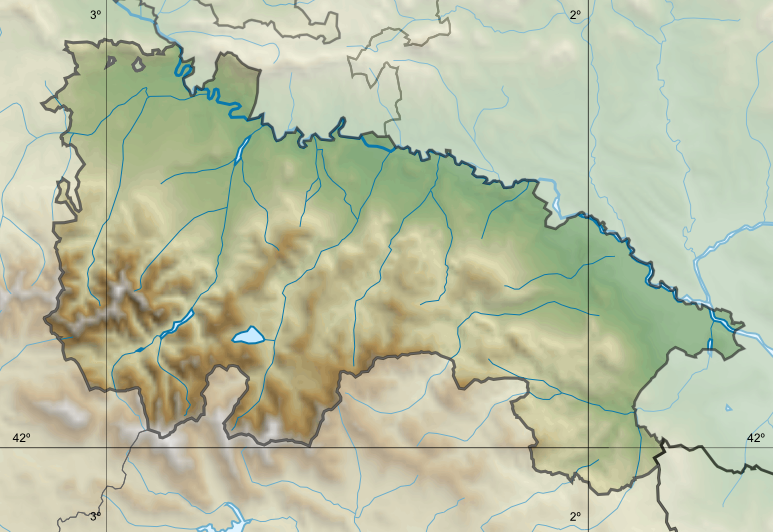
The monasteries of San Millán de la Cogolla are a compact but historically rich complex in the village of San Millán, in La Rioja, northern Spain. Composed of the older Suso and the larger Yuso buildings, the site preserves layers of monastic life from the early Middle Ages to the modern era. Their continuous occupation and documentary legacy make them a cornerstone for the study of medieval Iberia and the history of the Spanish language.
Image gallery
4 Images

Overview
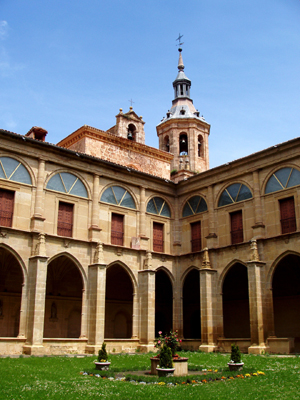
Suso (literally "upper") occupies a hillside hermitage traditionally linked to the 6th-century hermit Emilian (San Millán) and retains an intimate plan characteristic of early monastic settlements. Yuso ("lower") developed from the 11th century and expanded into a substantial communal monastery with cloisters, refectories and an imposing church. Together they illustrate centuries of religious practice, artistic change and architectural adaptation.
History and architectural character
The complex reflects successive building phases: early medieval cell-like spaces and chapels at Suso, Romanesque and later medieval work, and notable Baroque additions at Yuso. Stone masonry, carved capitals, decorative altarpieces and monumental facades show the layered interventions produced by changing liturgical needs and local patronage. Archaeological studies and conservation campaigns have sought to stabilise fabric and make the sequence of construction legible to visitors.
Glosas Emilianenses and linguistic importance
Among the site's most significant treasures are annotations and marginal glosses found in manuscripts associated with the monasteries, commonly called the Glosas Emilianenses. Dated to roughly the 10th–11th centuries, these glosses include vernacular Romance forms alongside vocabulary in Basque (Euskera) and are widely cited as some of the earliest written traces of Romance speech in the Iberian Peninsula. Produced in a monastic scriptorium context, they illuminate medieval reading practices, bilingualism and the transition from Latin to the emerging vernaculars.
Significance, protection and recognition
In recognition of their outstanding testimony to medieval monastic culture and to the emergence of Iberian languages, the twin monasteries were inscribed as a World Heritage Site by UNESCO in December 1997. The designation highlights both the architectural continuity of Suso and Yuso and their documentary legacy. The complex was also a finalist in a popular national selection of heritage sites, the 12 Treasures of Spain, and is regularly featured in regional cultural programmes and scholarly publications.
Visiting today and legacy
Modern visitors come for historical interest, religious pilgrimage and linguistic heritage. On-site displays and guided routes typically explain the manuscripts, the successive building phases and daily monastic routines. Conservation efforts aim to balance access with preservation of fragile architectural elements and archival materials. Researchers in history, philology and archaeology continue to study the site and its collections, underscoring San Millán's long-term role in understanding medieval Iberia and the origins of Romance languages.
- Main elements: Suso hermitage; Yuso monastery complex; manuscript collections and the Glosas.
- Importance: Early evidence of Romance vernacular and Basque alongside a well-preserved monastic complex.
- Practical: Check visitor information and guided tours; some exhibits and manuscript facsimiles are presented in interpretive rooms.
- Further information: Official site and conservation reports provide updates on research and visiting arrangements (see authority briefing).
Questions and answers
Q: What are the monasteries of San Millán de la Cogolla?
A: The monasteries of San Millán de la Cogolla are San Millán de Suso and San Millán de Yuso, located in La Rioja, Spain.
Q: When were the monasteries of San Millán de Suso and San Millán de Yuso established?
A: San Millán de Suso was established in the 6th century, while San Millán de Yuso was established in the 11th century.
Q: What designation did the monasteries of San Millán de la Cogolla receive in December 1997?
A: The monasteries of San Millán de la Cogolla were designated a World Heritage Site by UNESCO in December 1997.
Q: What is the significance of the book "glosas Emilianenses" found in the monasteries of San Millán de la Cogolla?
A: "Glosas Emilianenses" is the first written text in Spanish and Basque, and its discovery in the monasteries of San Millán de la Cogolla has made it a treasure of human patrimony.
Q: Was the monasteries of San Millán de la Cogolla a finalist for the 12 Treasures of Spain in 2007?
A: Yes, the monasteries of San Millán de la Cogolla were one of 100 finalists for the 12 Treasures of Spain in 2007.
Q: When was "Glosas Emilianenses" likely written?
A: "Glosas Emilianenses" is believed to have been written between the 10th and 11th centuries.
Q: Why is the discovery of "Glosas Emilianenses" significant?
A: The discovery of "Glosas Emilianenses" is significant because it represents the first written examples of both Spanish and Basque languages.
Related articles
Author
AlegsaOnline.com Monasteries of San Millán de la Cogolla Leandro Alegsa
URL: https://en.alegsaonline.com/art/65961
Sources
- whc.unesco.org : "San Millán Yuso and Suso Monasteries"
- sobreturismo.es : "Lista de 100 finalistas de Nuestros 12 Tesoros de España"