
Monaco Grand Prix
Annual Formula One street race held on the Circuit de Monaco since 1929, famed for its tight harbor-side layout, prestige, and racing challenges that make qualifying and precision driving decisive.
Overview
The Monaco Grand Prix is a prize event in international motor racing held each year on the streets of Monte Carlo and La Condamine. First run in 1929, the race is one of the most prestigious fixtures in motorsport and is commonly mentioned alongside other historic endurance and speed events such as the Indianapolis 500 and the 24 Hours of Le Mans. The modern edition is usually part of the FIA Formula One World Championship schedule and is a highlight of the sport’s calendar.
Image gallery
10 Images


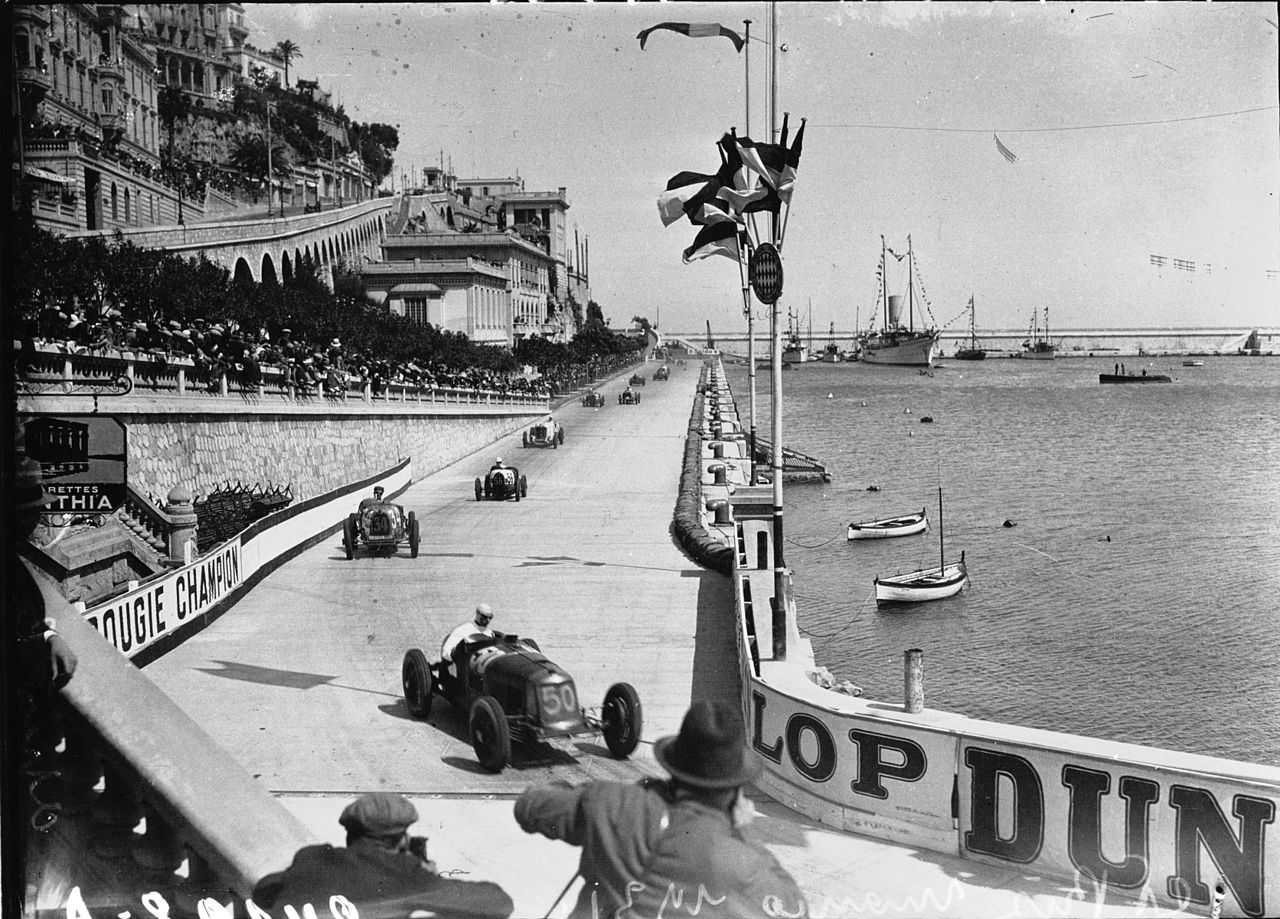
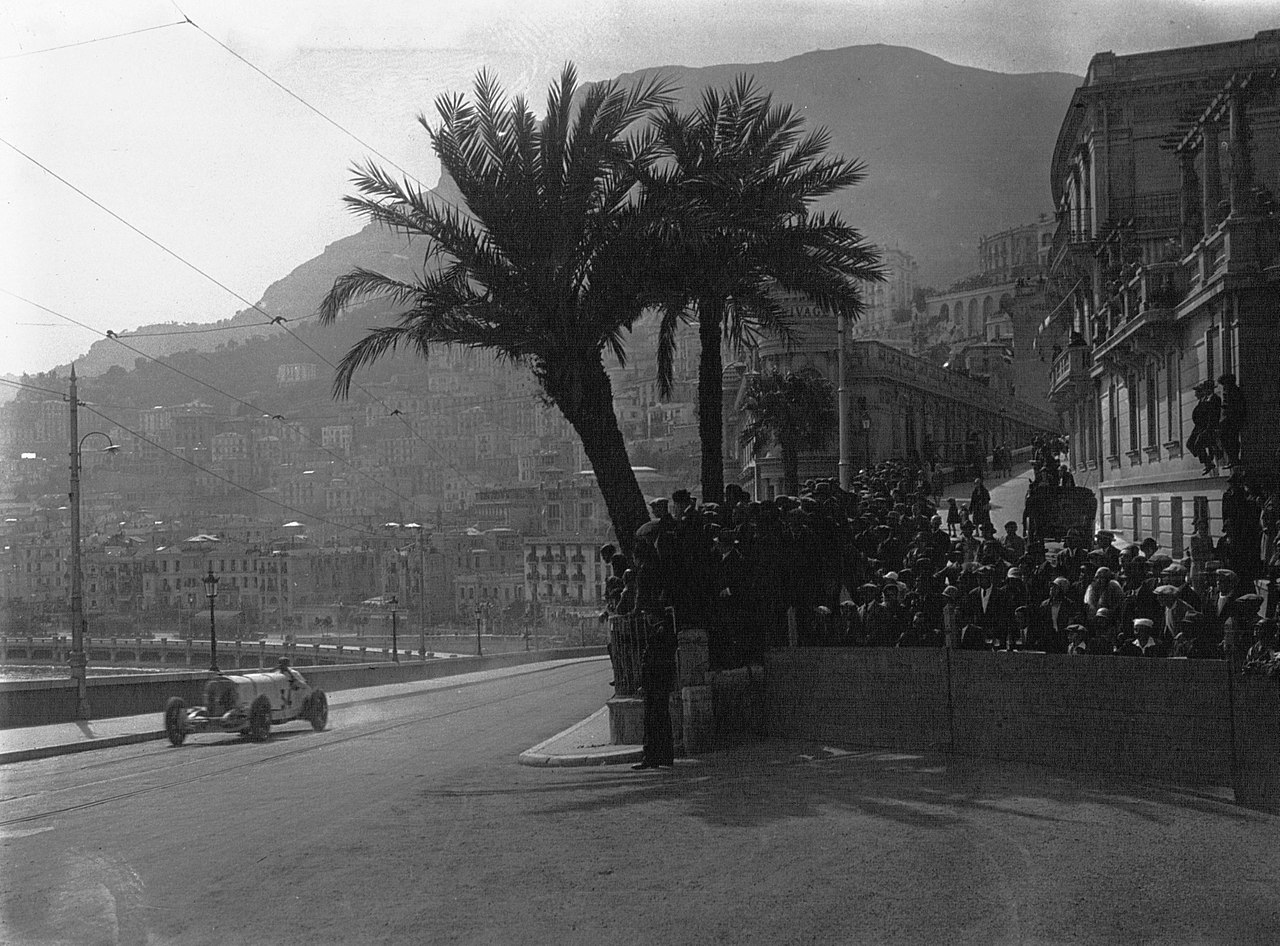


Circuit and characteristics
The Circuit de Monaco is a temporary street circuit that uses public roads closed for race weekend. Its defining features include very narrow track sections, limited run-off, dramatic elevation changes and iconic landmarks beside the harbor and casino. Tight corners and the famous hairpin require low-speed mechanical grip, while the Tunnel and the high-speed run past the pit straight present brief contrasting sections. The track’s layout leaves little room for error: walls and barriers are close, and overtaking opportunities are scarce.
Racecraft, strategy and spectacle
Because passing is difficult, qualifying performance often determines race outcome; a strong grid position is frequently more decisive in Monaco than at many other venues. Teams tailor car setups toward mechanical traction and nimble handling rather than outright top speed. Weather changes can dramatically alter strategy: a wet-to-dry transition or a late-race safety car can produce surprising results. The event also attracts extensive hospitality, celebrity attendance and intense media coverage, reflecting its social as well as sporting importance.
History and notable facts
The Grand Prix has a long history within both pre-war racing and the post-war Formula One era. It was first organized in 1929 and has been associated with the F1 World Championship for much of the championship era. The race has produced memorable moments and legendary performances by drivers who excel in the single-lap precision and concentration demanded by the circuit. For background on the track itself see the official layout at Circuit de Monaco. For context on comparable historic events, see Indianapolis 500 and 24 Hours of Le Mans.
Distinctive challenges and legacy
- Logistics: converting a working city into a racetrack is complex and costly.
- Safety and spectacle: the close barriers create dramatic visuals but limited margins for error.
- Prestige: a Monaco victory is highly prized because it combines driver skill with tactical acumen.
Over decades the Monaco Grand Prix has retained its unique character: a street race where precision, nerve and strategy combine with an enduring sense of glamour and history. It remains one of the most talked-about and widely attended rounds of the Formula One season, continuing to test drivers and thrill fans.
Questions and answers
Q: What is the Monaco Grand Prix?
A: The Monaco Grand Prix is a Formula One race held annually on the Circuit de Monaco.
Q: When did the Monaco Grand Prix begin?
A: The Monaco Grand Prix began in 1929.
Q: Is the Monaco Grand Prix considered an important race?
A: Yes, the Monaco Grand Prix is widely considered to be one of the most important and prestigious automobile races in the world.
Q: What are some other prestigious automobile races in the world?
A: The Indianapolis 500 and the 24 Hours of Le Mans are also considered to be prestigious automobile races.
Q: Where is the Monaco Grand Prix held?
A: The Monaco Grand Prix is held on the Circuit de Monaco.
Q: How long has the Monaco Grand Prix been held?
A: The Monaco Grand Prix has been held since 1929.
Q: Why is the Monaco Grand Prix considered prestigious?
A: The Monaco Grand Prix is considered prestigious because of its long history and the challenging Circuit de Monaco track.
Related articles
Author
AlegsaOnline.com Monaco Grand Prix Leandro Alegsa
URL: https://en.alegsaonline.com/art/65933
Sources
- formula1.com : "1950–Present race results archives"
- acm.mc : "Automobile Club de Monaco: Grand Prix de Monaco: List of Winners"