
Moment of silence
A moment of silence is a brief period of quiet observed to honor or reflect on loss, tragedy, or remembrance; practices vary by culture, occasion and duration.
A moment of silence is a brief, intentional period during which people refrain from speaking and other audible activity to express respect, mourning, or solemn reflection. These observances range from informal pauses at the start of a meeting to formal, widely practiced commemorations after disasters, acts of violence, or on national remembrance dates. The purpose is symbolic: silence can focus attention, allow personal thought, and mark a shared public acknowledgment of loss or significance.
Image gallery
5 Images


Typical characteristics and etiquette
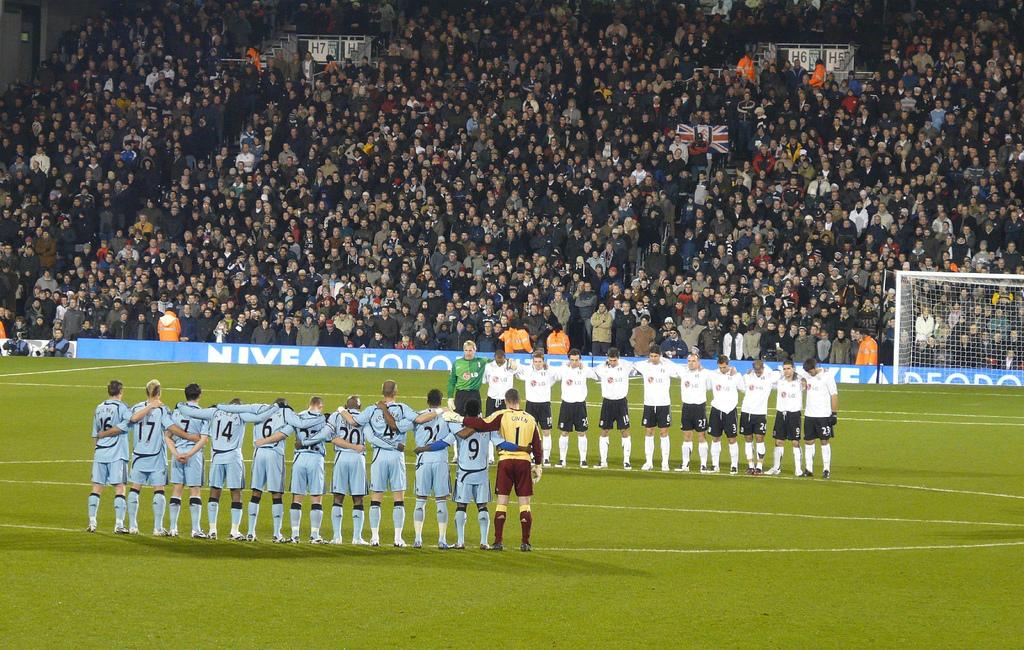
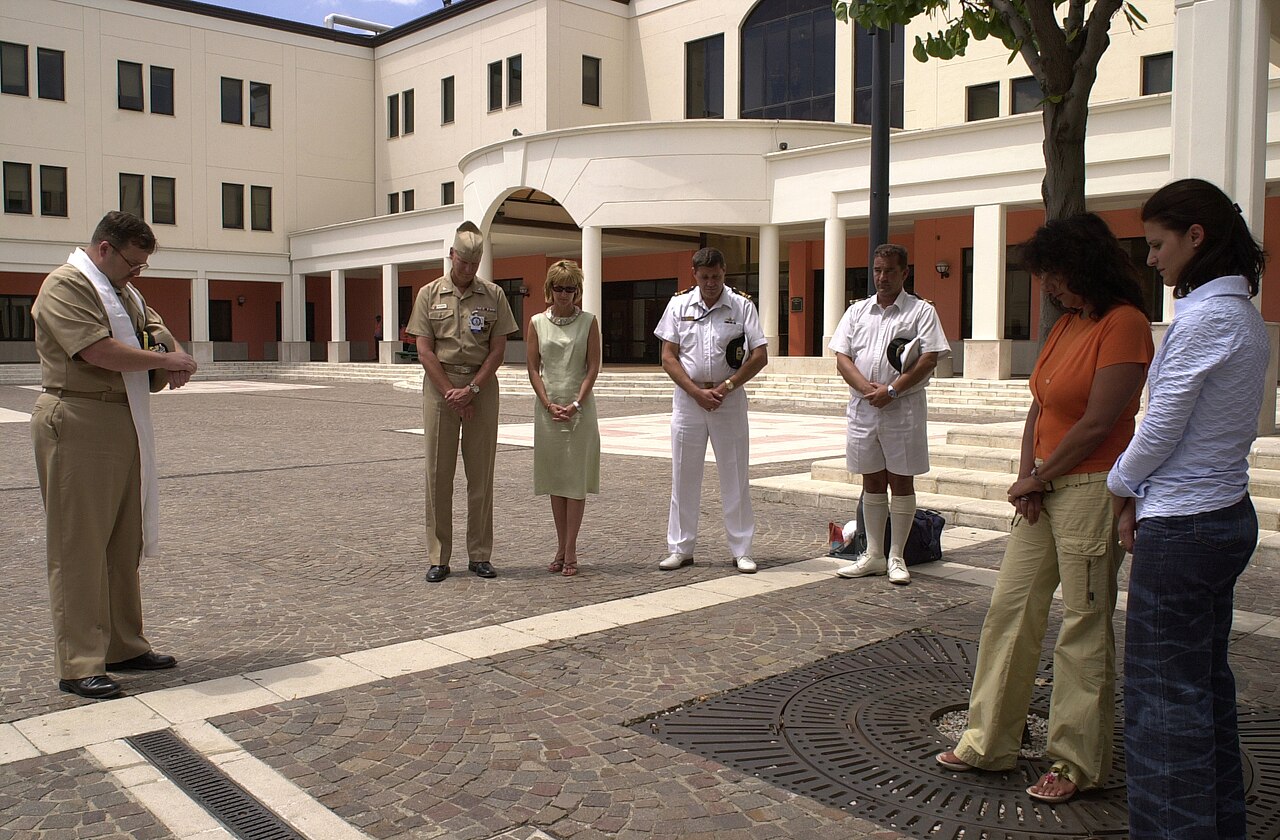
Common forms of etiquette include standing or bowing the head, removing hats, and avoiding movement or conversation for the agreed span of time. In many public settings an organizer or official will announce the start and end. The interval is often one minute but can be shorter or longer depending on custom or the event. During the pause participants are expected to be still and quiet — to remain silent and reflective. The chosen length is sometimes noted in announcements or programs (one minute is typical).
Origins and historical development
A formal, widely observed period of silence in the English-speaking world has strong associations with the aftermath of World War I. A two-minute silence observed on 11 November was instituted in 1919 to mark the first anniversary of the Armistice; it later became an established part of annual Remembrance Day / Armistice Day commemorations in several countries. The date 11 November and the establishment year 1919 are commonly cited in accounts of how the practice entered official ceremonies, and it is now a central element of remembrance services in nations that observe Remembrance Day.
Contexts and examples of use
- National commemorations and memorial services, often linked to military remembrance or major tragedies.
- Ceremonies at religious or civic gatherings where a pause is used for collective reflection.
- Sporting events and concerts, which sometimes incorporate a minute of silence before play resumes.
- Schools and workplaces where a brief period is set aside for reflection after a local bereavement or national crisis.
These occasions may include associated symbolic acts such as people bowing their heads (bowing), ringing bells (bell ringing), the release of doves (doves) or balloons (balloons), or musical signals such as a bugle playing a lament (the Last Post). A moment of silence can precede or follow these actions and is often part of a larger sequence of observances that carry symbolic meaning (symbolic).
Variations, legal considerations and notable facts
Practices differ by culture, institution and law. Some places treat a moment of silence as voluntary reflection; in other contexts, particularly in public schools or government bodies, compulsory observances have raised questions about religious neutrality and individual rights. Consequently, some jurisdictions frame the interval as a secular period of reflection or permit alternative options so participants may opt out. Despite such differences, the central intent remains shared: a collective, respectful pause to honor or remember.
Whether brief or prolonged, private or public, moments of silence function as ritual pauses that convert ordinary time into an occasion for memory, respect and communal focus. They are simple yet powerful devices for acknowledging loss and providing space for personal and collective contemplation.
More on quiet observance • Common durations • Dates of remembrance • Historical origins • Remembrance Day customs • Etiquette • Symbolism • Bell traditions • Dove release • Balloon releases • Bugle calls
Questions and answers
Q: What is a moment of silence?
A: A moment of silence is a short period of time when people do not make noise and show respect for those who have died.
Q: How long does a moment of silence usually last?
A: Generally, moments of silence last one minute, but other amounts of time may be chosen depending on the event.
Q: When did the tradition of observing a two-minute silence start?
A: The tradition started in 1919 exactly one year after the end of World War I. It became an official part of the annual service on Remembrance Day or Armistice Day.
Q: What are some symbolic events that may occur before or after a moment of silence?
A: Examples include ringing bells, releasing doves or balloons, or playing the "Last Post" on a bugle.
Q: Is there any video game related to moments of silence?
A: Yes, there is also a video game called The Moment Of Silence.
Q: What actions are taken during a moment of silence?
A: During the moment, people often bow their heads, remove their hats and remain silent and still until it ends.
Related articles
Author
AlegsaOnline.com Moment of silence Leandro Alegsa
URL: https://en.alegsaonline.com/art/65912