
Mod (video games): user-made modifications, types, history and impact
A mod is a user-created modification to a video game that alters visuals, mechanics, audio, content, or systems. Mods range from small fixes to total conversions and have influenced games, communities, and industry practices.
A video game mod is any user-created modification to a published game that changes or extends its content, mechanics, presentation, or behaviour. The term is short for "modification" and usually refers to work produced outside the original development team. Mods can be simple cosmetic changes, fixes for bugs, or extensive projects that transform a title into a new experience. They are commonly shared on community repositories and workshop platforms, often distributed free of charge by their authors.
Image gallery
2 Images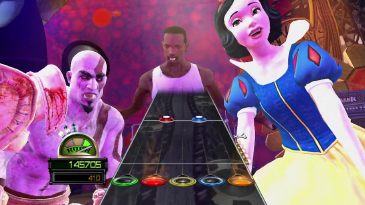

Common types of mods
Mods vary widely in scope and intent. Typical categories include:
- Cosmetic or appearance mods — replace or tweak textures, models, skins, lighting or user interface elements without changing core gameplay.
- Gameplay tweaks — change rules, difficulty, balance, artificial intelligence behaviour, or add new mechanics such as crafting, survival systems, or altered progression.
- New content and levels — additional missions, maps, campaigns, or scenarios often created with official editors or community tools.
- Bug fixes and quality-of-life patches — community-made corrections and conveniences that address issues missed or deprioritised by developers; sometimes described as bug fixes.
- Total conversions — large projects that replace most assets and systems to create a substantially different game; some became highly successful independent titles such as Counter-Strike and Team Fortress.
How mods are made
Mod creation methods depend on the game's architecture and the tools available. Many games ship with software development kits (SDKs), level editors, or scripting interfaces. Creators commonly work with asset files (models, textures, audio), scripting languages embedded by the game (for example Lua or custom engines), and package formats that the game recognises. Reverse engineering, file unpacking, or community-built utilities are sometimes necessary when official tools are not provided.
Distribution and ecosystems
Mods are shared through community sites, workshop services integrated into digital distribution platforms, or independent repositories. Companies such as id Software, Valve Corporation, Mojang AB, and Bethesda Softworks have influenced modding by releasing tools, documentation, or official support, which can broaden participation and improve compatibility. Developer-supported workshops often simplify installation and updates, while third-party mod managers allow more complex load-order control and conflict resolution.
Historical and cultural impact
Modding has had a lasting effect on the games industry and on player communities. Several commercial games began as fan-made mods and later evolved into standalone products or long-running series. Mod communities foster learning in programming, art, level design, and project management, and can serve as talent pools for studios recruiting new developers. Mods also extend the commercial lifespan of a title by keeping players engaged long after official updates end.
Legal, ethical and technical considerations
While mods encourage creativity, they can raise legal and ethical questions. End-user licence agreements (EULAs) and publisher policies determine what content is permitted and whether mods may be sold. Some attempts to monetise mods have sparked controversy and prompted policy reassessment. Mods can also introduce compatibility issues, instability, or security risks if distributed from untrusted sources. Console platforms often restrict or carefully curate mod content due to platform certification and performance constraints.
Best practices for creators and users
Both creators and players can follow practical steps to reduce problems and respect rights:
- Back up save files and original game data before installing mods to prevent data loss.
- Use trusted repositories and check community feedback, installation instructions, and version compatibility.
- Respect intellectual property and avoid using unlicensed assets; follow authors' licences and attribution requests.
- Test new mods in isolation to identify conflicts, and use load-order or mod manager tools when combining many changes.
- Keep a record of installed mods and revert points to aid troubleshooting and updates.
Future and continuing relevance
Modding remains a dynamic area of player-driven innovation. As engines, distribution systems, and development tools evolve, new forms of modification emerge—ranging from small script-driven plugins to large cooperative development projects. Publishers balance encouraging community creativity with protecting their intellectual property and platform integrity. For players and creators alike, modding continues to be a major avenue for extending games, experimenting with design ideas, and building communities around shared creations.
For further reading on terms, practices and community resources see entries and vendor pages referenced above and consult developer documentation and community guides when planning or installing a mod.
Questions and answers
Q: What is a video game mod?
A: A video game mod is a modification made to a video game by fans of the game, that changes any part of it, including the sound, gameplay, visuals or anything else.
Q: Who usually creates mods for video games?
A: Fans of the video game usually create mods, instead of the people who made the original game.
Q: How are mods usually distributed?
A: Mods are usually distributed on the internet for free when they are released.
Q: What are total conversion mods?
A: Total conversion mods are large mods that can change so many things about the game that they become a completely different game from the original. Examples of total conversion mods that became separate video games are Counter-Strike, Team Fortress and Killing Floor.
Q: How can mods help a game become more famous and successful?
A: Good mods can make a game more fun and interesting than the original, which can help a game become more famous and successful.
Q: Which video game companies have given mod creators tools to help them make even more mods?
A: Examples of companies that have given mod creators tools to help them make even more mods include id Software, Valve Corporation, Mojang AB and Bethesda Softworks.
Q: What does the term "vanilla" refer to in the context of video game mods?
A: When a mod of a game becomes just as popular as the original game, or more popular, the term "vanilla" is used to refer to the original game without mods.
Related articles
Author
AlegsaOnline.com Mod (video games): user-made modifications, types, history and impact Leandro Alegsa
URL: https://en.alegsaonline.com/art/65689
Sources
- escapistmagazine.com : "8 Great Mods that Became Retail Games"