
Mixed martial arts (MMA) — sport and combat system
Mixed martial arts (MMA) is a full-contact combat sport and training system that blends striking and grappling disciplines. It evolved into a regulated professional sport promoted worldwide.
Mixed martial arts (MMA) is a full-contact combat discipline and competitive sport that combines techniques from striking and grappling systems. Practitioners train in multiple areas — such as boxing, kickboxing, wrestling and various forms of submission grappling — and apply them in an environment that allows transitions between standing and ground fighting. MMA exists both as a method of personal training and self-defence and as a regulated professional sport.
Image gallery
10 Images




Characteristics and common elements
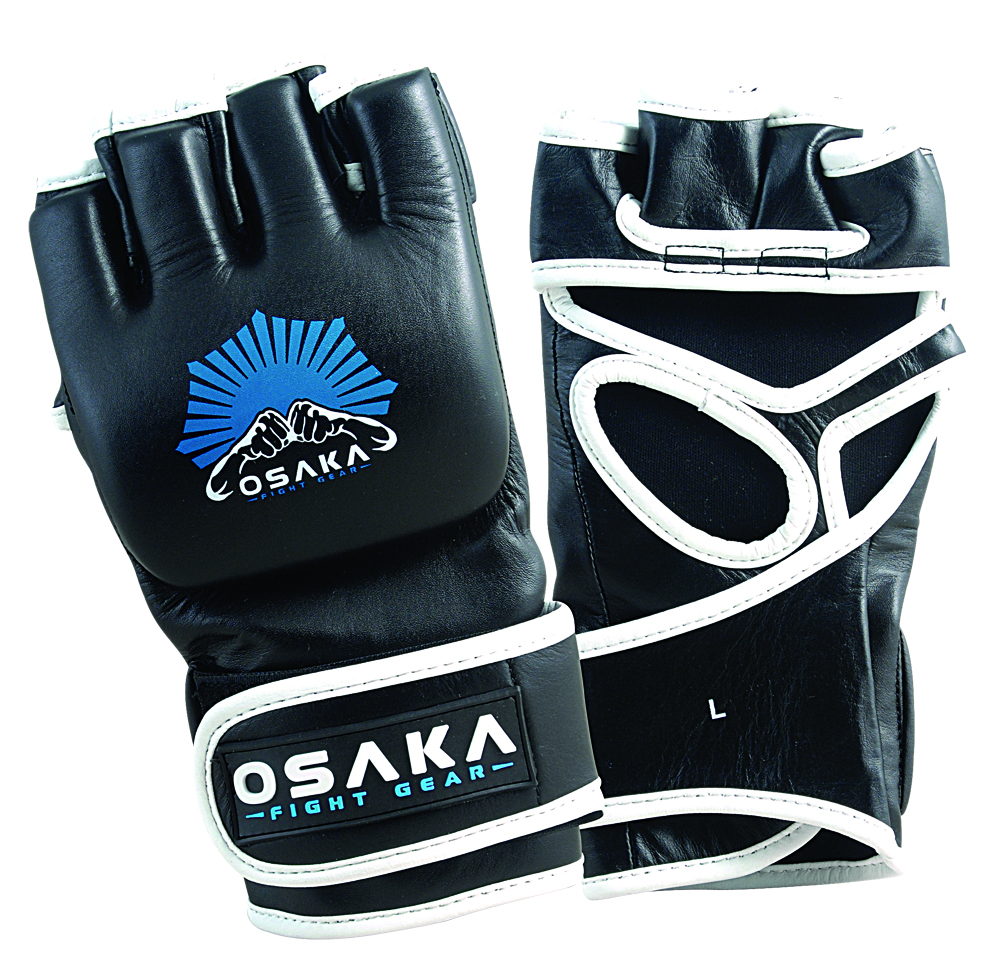
Modern MMA contests take place under a ruleset that defines permitted techniques, weight divisions, round length, protective equipment and fouls. Many jurisdictions and major promotions follow a standardized code that aims to balance athlete safety with competitive freedom. Typical features include timed rounds, gloves with open fingers, judges scoring, and the possibility to win by knockout, technical knockout, submission or decision.
Typical skills and training
Training for MMA emphasizes cross-disciplinary development. Common components include:
- Striking arts — boxing, Muay Thai, kickboxing for punches, kicks, knees and elbows.
- Wrestling and takedowns — to control where the fight takes place and to secure dominant positions.
- Submission grappling — Brazilian jiu-jitsu, sambo and catch wrestling for joint locks and chokes on the ground.
- Conditioning and strategy — aerobic and anaerobic fitness, weight management, and tactics that combine the other elements.
Fighters and coaches plan game plans that exploit strengths across these areas, for example using strikes to set up takedowns, or takedowns to bring the bout to submission range.
History and development
The modern sport traces its roots to mixed-style contests and unarmed fighting events that tested different schools against one another. In the late twentieth century these contests were organized into tournaments and promotions that popularized cross-style competition. Over time the activity evolved from almost no formal regulation into a sport overseen by athletic commissions or standardized rules, with improved medical oversight and professional training structures.
Promotions, popularity and uses
MMA grew into a global spectator sport with professional promotions organizing events and championships, and an expanding base of amateur clubs and gyms. Major organizations that stage professional competitions include well-known regional and international promoters such as Bellator, PFL, Rizin, ONE Championship and the Ultimate Fighting Championship. These organizations sign fighters, set competition rules for their events and develop talent pathways for athletes and coaches. For more information about promotion structures and events, see major MMA organizations.
Beyond professional competition, MMA training is widely pursued for physical fitness, self-defence, and as a pathway to careers in coaching or competitive sport. Its hybrid nature encourages cross-training and technical innovation as styles influence one another.
Safety, criticism and distinctions
MMA has attracted scrutiny over injury risk, concerns about rapid weight cutting and the ethics of full-contact competition. In response, rules have been adjusted, medical screening has increased and many organizations enforce protocols for fighter safety. Distinctive features of MMA include its permissive mixing of techniques (unlike single-discipline sports such as boxing or judo) and the central role of both striking and submissions. Outcomes in MMA can be diverse — ranging from knockouts to technical submissions and judges' decisions — which contributes to its broad spectator appeal.
Questions and answers
Q: What is mixed martial arts (MMA)?
A: Mixed martial arts (MMA) is a type of martial art that combines various combat disciplines or blends of two or more styles, such as boxing and kickboxing.
Q: Which styles of martial arts are integral to mixed martial arts?
A: Boxing and kickboxing are integral fighting styles in mixed martial arts.
Q: What can MMA also mean?
A: MMA can also refer to the sport of mixed martial arts fighting.
Q: Name some companies that promote MMA sport fighting.
A: Bellator, PFL, Rizin, ONE Championship, and UFC are companies that promote MMA sport fighting.
Q: What is the purpose of mixed martial arts fighting?
A: The purpose of mixed martial arts fighting is to defeat your opponent using various fighting techniques from different martial arts.
Q: Can any athlete practice mixed martial arts?
A: Yes, any athlete who is well-trained in martial arts and is committed to practicing MMA can participate in mixed martial arts fighting.
Q: What are the benefits of practicing mixed martial arts?
A: Mixed martial arts can improve fitness, reflexes, flexibility, and mental strength. It can also teach self-defense and discipline.
Related articles
Author
AlegsaOnline.com Mixed martial arts (MMA) — sport and combat system Leandro Alegsa
URL: https://en.alegsaonline.com/art/65607
Sources
- state.nj.us : "Mixed Martial arts Unified Rules of Conduct"
- mmajunkie.com : "The strange story of MMA's most misunderstood illegal elbow strike"