
Mirza: Persian title, name, and historical use
Mirza (Persian میرزا) is a historic Persian title and surname indicating princely, noble, or administrative lineage; used across Iran, Central Asia, the Ottoman world, and South Asia.
Mirza (Persian: میرزا) is a historic title and a common surname of Persian origin. Historically it was used to mark princely, noble or hereditary descent and later became associated with educated or courtly persons in Persianate societies. Over centuries the form and social meaning of Mirza varied across regions and languages, adapting to local naming customs while preserving an association with lineage or rank.
Image gallery
5 Images

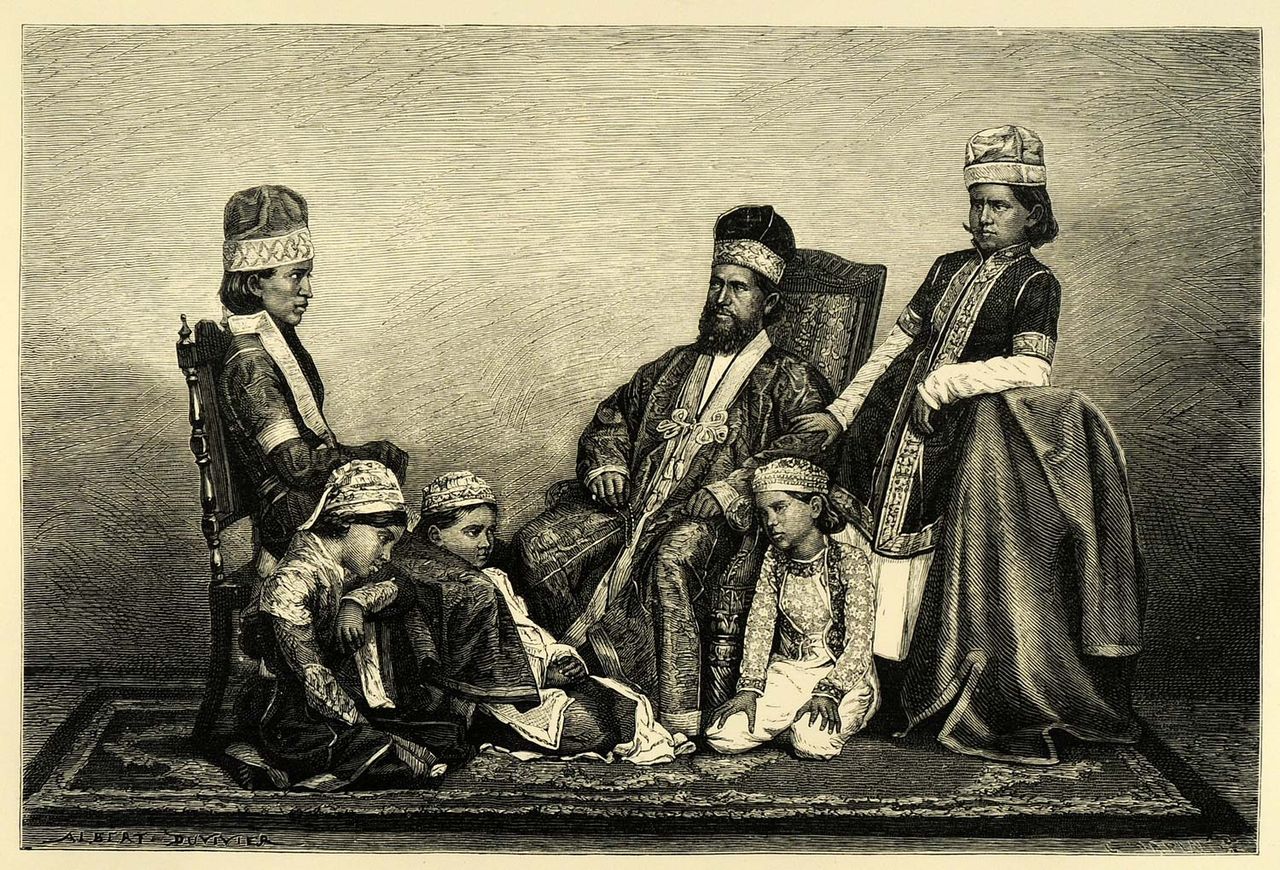

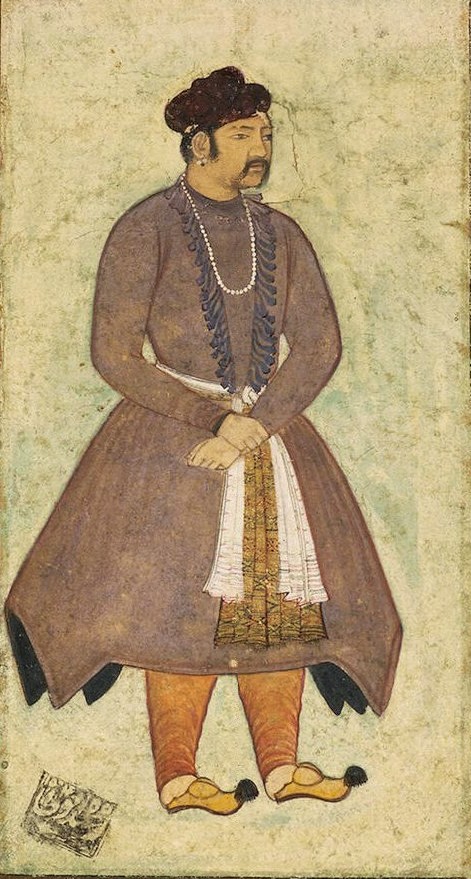
Etymology
The name is commonly derived from a Persian compound related to amir (commander, prince) combined with an element denoting descent, often represented in modern scholarship as coming from Amīrzāde or similar formations. In practice the title could appear as a prefix before a personal name (especially in parts of Iran and South Asia) or as a suffix or family name in later usage. Spelling and pronunciation have varied in different languages: Mirza, Mirzā, Meerza, Mirzo and related forms occur across Persian, Turkic and South Asian contexts.
Historical usage
In medieval and early modern periods Mirza identified members of princely households and aristocratic families in Persianate states. It was borne by lines associated with the Timurids and later the Mughal ruling elites in the Indian subcontinent, and it appeared among nobles and commanders in various Iranian dynasties. The title was not a single fixed office; its implications—ranging from prince of the blood to a high noble or military leader—depended on the polity and era. In some Persian contexts a form of Mirza used after a name also became associated with secretaries, scribes or educated bureaucrats, reflecting the close link between literacy and court service.
Regional spread and adaptation
- Persia and Iranianate courts: original nucleus of usage and many linguistic forms.
- Indian subcontinent: adopted by Mughal families and other Muslim aristocracies, and later frequently inherited as a surname.
- Ottoman and Turkish lands: absorbed into elite and administrative naming practices with local variants.
- Central Asia and the Caucasus: found among Tatars and members of khanates such as Kazan and Astrakhan, and among Caucasian noble families.
Modern use and cultural significance
Today Mirza survives primarily as a family name across Iran, South Asia, Central Asia and parts of the Middle East. For some families it still signals an ancestral connection to former princely houses; for many bearers it is simply an inherited surname without political authority. The name appears frequently in literature and cultural memory: notable historical figures and poets have carried the title, reinforcing its association with both aristocratic lineage and learned culture. One widely known bearer in literary history is the 19th-century Urdu and Persian poet Mirza Ghalib, whose use of the title illustrates its social resonance in South Asia.
Notes and further reading
The precise social role of Mirza changed over time and between regions; it has been studied in works on Persianate aristocracy, Mughal genealogy and Ottoman and Tatar nobility. For different aspects of the topic see regional and linguistic references below.
Further resources: Persian language and onomastics, historical title traditions, princely and noble ranks, Turkish naming practices, Ottoman court titles, Mughal genealogy, Rajput and South Asian titles, Indian subcontinent history, Tatar polities, Khanates of Kazan and Astrakhan.
Questions and answers
Q: What is the origin of the title Mirza?
A: The title Mirza is of Persian origin.
Q: What does Mirza signify?
A: Mirza signifies patriarchal lineage to various Persian Empires, Turkish Ottoman Empire, Shirvanshahs and Circassians of the Caucasus, Mughals/Moguls or Muslim Rajputs of the Indian Subcontinent.
Q: How is Mirza defined in English?
A: In English, it is usually defined as Prince of the Blood.
Q: Was it used as a title by any other group besides Persians?
A: Yes, it was also a title bestowed upon members of the highest aristocracies in Tatar states such as Khanates of Kazan and Astrakhan.
Q: Is there an alternate spelling for Mirza?
A: Yes, it can be spelled either as /ˈmɜːrzə/ or /mɪərˈzɑː/.
Author
AlegsaOnline.com Mirza: Persian title, name, and historical use Leandro Alegsa
URL: https://en.alegsaonline.com/art/65407
Sources
- columbia.edu : "10glossary"