
Mirza Ghalib: Life, Poetry, and Legacy
Overview of Mirza Ghalib (1797–1869), his life, Urdu and Persian poetry, ghazal craft, themes, notable works, and enduring influence on South Asian literature and culture.
Overview
Mirza Asadullah Baig Khan (better known by his pen-name Ghalib; 27 December 1797–15 February 1869) is widely regarded as one of the foremost poets of the Urdu language and an accomplished writer in Persian. Born into a family with Mughal aristocratic ties, he lived through a period of political upheaval that included the decline of the Mughal court and the 1857 uprising in India. Ghalib's work is best known for its mastery of the ghazal form, its philosophical depth, its linguistic subtlety, and its emotional complexity. His poetry continues to be celebrated, recited, translated, and sung across South Asia and beyond.
Image gallery
10 Images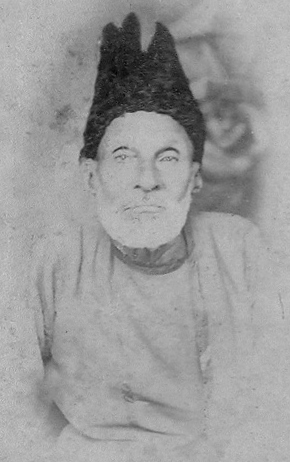
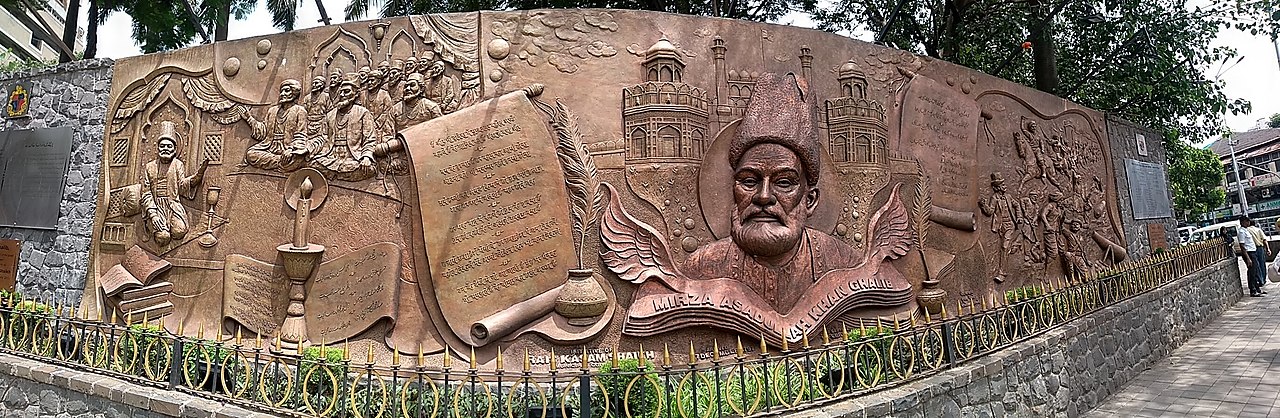

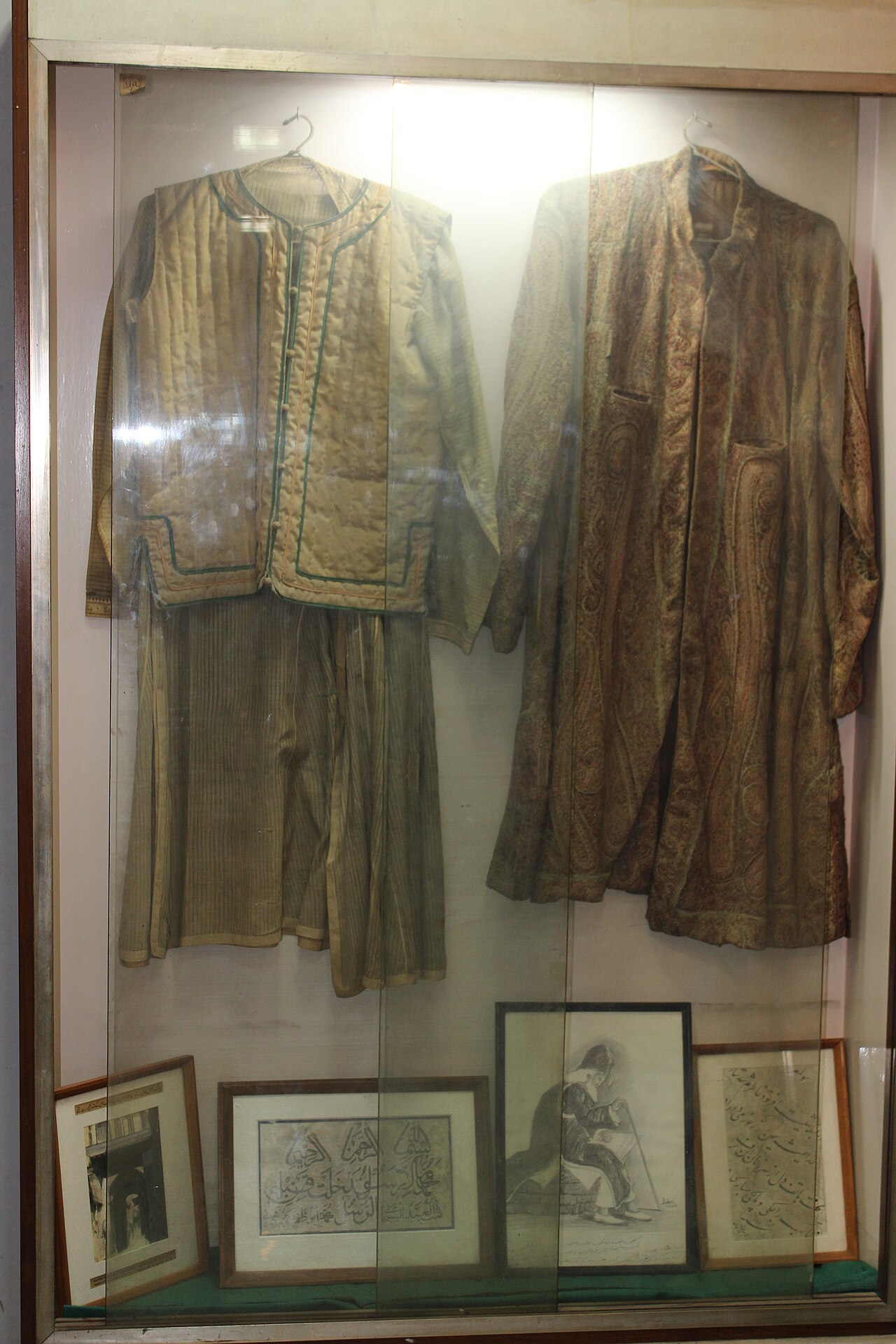


Life and historical context
Ghalib spent much of his life in Delhi, where he moved in literary circles and at times relied on modest patronage. He witnessed the weakening of Mughal authority, the rise of British power, and the social dislocations that followed the Revolt of 1857. These events shaped both the themes and tone of his later work, which often reflects a tension between personal loss and an unflinching intellectual curiosity. Though he wrote many letters and prose pieces, it is his poetry—both Urdu and Persian—that secured his reputation.
Language, form, and style
Ghalib wrote in two literary languages. His Persian compositions align with classical Persian poetic conventions; his Urdu ghazals, however, introduced a distinctive voice to the language. He favored compact expression, irony, paradox, and philosophical reflection, using traditional ghazal meters while stretching their emotional and intellectual range. Scholars and readers note his dexterity with wordplay, metaphors, and an ability to blend romantic, mystical, and sceptical registers within a single couplet.
Themes and recurring motifs
Common themes in Ghalib's poetry include the nature of love and longing, the limits of human knowledge, fate and free will, mortality, and the search for meaning in an uncertain world. Many ghazals alternate between personal lament and broader metaphysical meditation. His lines often address the beloved, God, or the self, creating layered readings that reward repeated study and performance.
Notable works and examples
- Collections of ghazals in Urdu and diwan editions in Persian and Urdu.
- Letters (in Urdu), which are admired for their candid, elegant prose and social observation.
- Selected couplets and ghazals that have been adapted into song, stage recitation, and modern media.
For introductions and texts, see resources on Urdu literature and Persian poetry. Critical essays and translations provide entry points for new readers; audio renditions demonstrate how ghazals change in performance.
Legacy and influence
Ghalib's reputation grew substantially after his death. He is frequently cited as the most influential figure in modern Urdu poetry, and his idiom shaped subsequent generations of poets, critics, and musicians. His works have been translated into many languages and remain central to curricula, cultural festivals, and public memory in South Asia. Modern adaptations include musical recordings, theatrical productions, and cinematic references that introduce his language to wider audiences.
Further reading and resources
Readers seeking contextual biographies and annotated selections may consult specialist studies and collections. For archival material and scholarly notes, consult library catalogues and academic introductions available via collections that specialize in South Asian literary history. Helpful overviews and digitized texts are also indexed in general literary guides and online repositories such as biographical pages, historical timelines at period surveys, and collections of poetry available through cultural archives at literary portals and regional studies. Audio and sung interpretations of ghazals can be found through repositories and recordings linked from cultural institutions listed at music and performance archives.
Questions and answers
Q: Who was Dabeer-ul-Mulk?
A: Dabeer-ul-Mulk was Najm-ud-daulah Mirza Asadullah Beg Khan, a great classical Urdu and Persian poet of the Indian subcontinent.
Q: What is Ghalib's pen name?
A: Ghalib is the pen name of Dabeer-ul-Mulk, which means "dominant" in Urdu.
Q: What other names did he go by?
A: He also went by the name Asad, which means "lion" in Urdu.
Q: When was Dabeer-ul-Mulk born?
A: Dabeer-ul Mulk was born on 27 December 1796.
Q: When did he die?
A: He died on 15 February 1869.
Q: What type of poetry did he write?
A: He wrote several ghazals during his life, which have since been interpreted and sung in many different ways by different people.
Q: Is he considered to be an influential poet?
A Yes, he is considered to be the most popular and influential poet of the Urdu language.
Related articles
Author
AlegsaOnline.com Mirza Ghalib: Life, Poetry, and Legacy Leandro Alegsa
URL: https://en.alegsaonline.com/art/65405