
Minute Waltz (Waltz in D-flat major, Op. 64, No. 1)
Concise encyclopedia entry on Chopin's 'Minute Waltz' (Waltz in D-flat major, Op. 64 No. 1): composition, nickname, musical structure, performance practice, and cultural significance.
Overview
The piece commonly known as the "Minute Waltz" is Frédéric Chopin's Waltz in D-flat major, Op. 64 No. 1. Composed in the late 1840s and published as the first of three waltzes in Trois Valses, Op. 64, it is one of Chopin's most frequently performed salon pieces for the piano. The work's popular nickname suggests brevity, but it is primarily a reference to its compact, lively character rather than an instruction to complete the piece in sixty seconds.
Image gallery
3 Images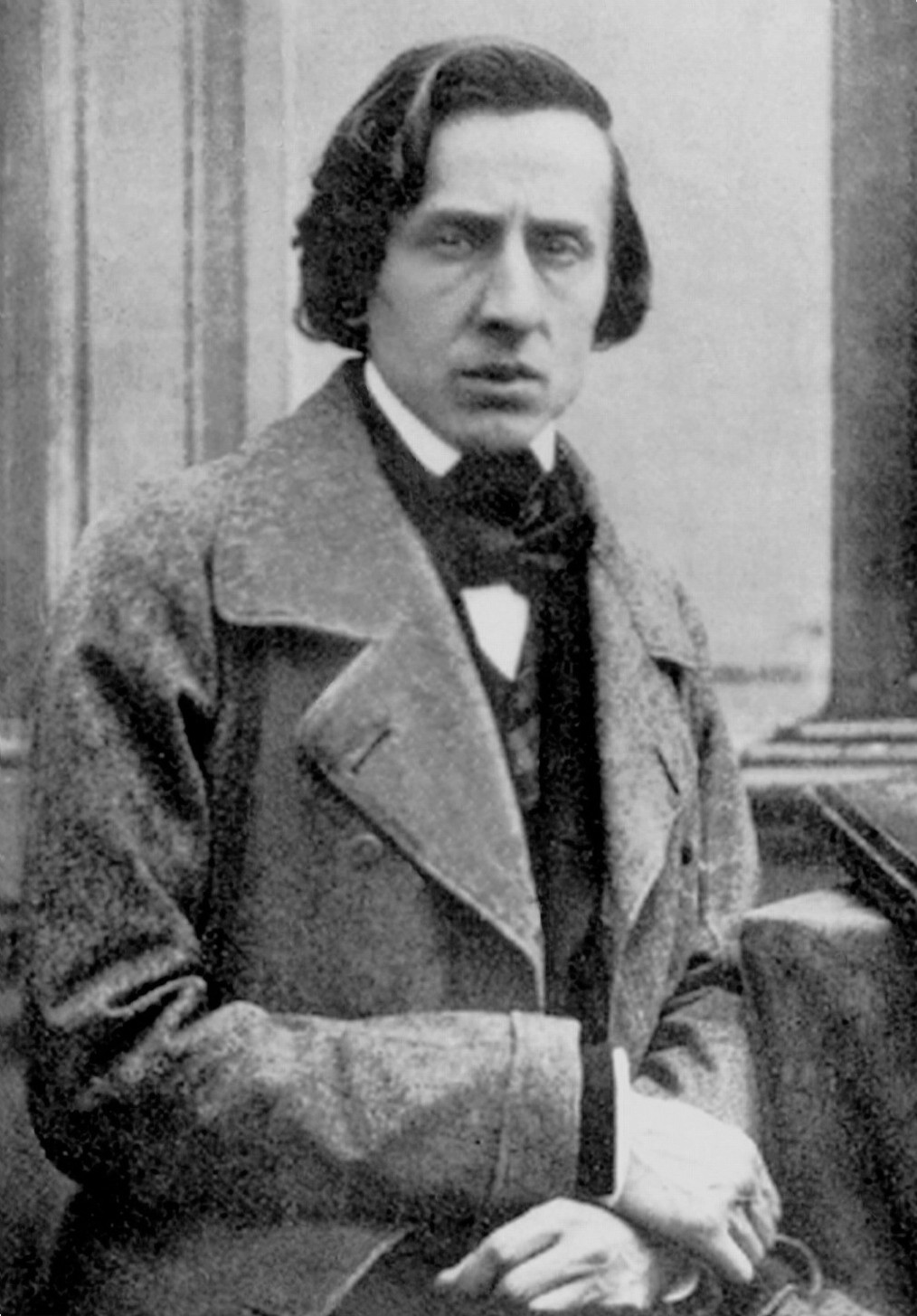


Musical characteristics
The waltz is in D-flat major and written in triple metre, notated in 3/4. Its tempo marking is Molto vivace, which directs a very brisk, energetic performance. In typical accounts of its design, the piece follows a ternary layout: an opening figurative passage, a contrasting middle section, and a return of the opening material. You can therefore describe it as written in ternary (ABA) form. The right hand often carries a rapid, whirling stream of eighth notes and triplet figures while the left hand supplies the characteristic "oom-pah-pah" waltz accompaniment.
Structure and notable features
- Length and repeats: the score contains several repeated passages that balance the miniature feel with formal cohesion.
- Texture: transparent, with a clear melody line supported by steady harmonic pulses in the left hand.
- Middle section: contrasts the opening by simplifying the right-hand movement and emphasizing longer note values and chordal textures.
- Return and ending: the opening figurations reappear, often preceded by an ornamental trill, and the work closes with a descending scale and a decisive final cadence.
Nickname and origin
The familiar sobriquet "Minute" was attached by the publisher and should be understood in the sense of "small" or "petite." Chopin himself reportedly referred to an amusing episode involving a small dog while composing, which led to another informal name, the "Valse du petit chien." That French nickname is sometimes quoted as Valse du petit chien, and anecdotal accounts tie the dog, named Marquis, to Chopin's social circle and to his friend George Sand. The concise dimensions of the piece combined with such domestic anecdotes helped cement its popular identity.
Performance practice and misconceptions
Although the label encourages a perception of extreme brevity, Chopin did not intend performers to rush the work to fit a sixty-second constraint; the belief that the piece should be played in a strict minute is a misconception addressed by many teachers and performers. A careful performance balances speed with clarity of articulation and expressive nuance. The idea that it must be done in one minute is therefore misleading. Instead, most interpretations take between roughly ninety seconds and two-and-a-half minutes, depending on rubato and the repeats observed.
Reception and cultural presence
From the 19th century salon to 20th- and 21st-century recordings, the "Minute Waltz" has been a staple of pianists' recital repertoires and pedagogical collections. Its memorable right-hand figurations and compact form make it attractive to both advanced students and concert artists. The piece also appears frequently in film and television to evoke elegance, whimsy, or romantic nostalgia; examples of its use include placements in contemporary series and media that reference classical music as shorthand for refinement or sentimentality. For listeners seeking scores, recordings, and scholarly notes, editions and commentary remain widely available through standard music publishers and reference sources (see Op. 64).
For further technical study and recommended recordings, consult modern critical editions and performance guides, which discuss fingering, pedal usage, and phrasing appropriate to the piece's dance origins and poetic character.
Related topics: editions of Chopin's waltzes, historical performance approaches to salon repertoire, and the social circles surrounding Chopin and George Sand during the Romantic era.
piano study materials, French nicknames, tempo markings like Molto vivace, and formal descriptions such as ternary form are useful keywords when researching this work. For contextual reading on Chopin's life and correspondence, including mentions of acquaintances and pets, consult biographies that include primary-source letters and contemporary accounts (George Sand and circle).
See also: catalog entries, score facsimiles, and recorded interpretations available through major libraries and music services for deeper comparative listening and analysis (meter and editions).
External resources and recordings are indexed in many public catalogs and music reference compilations; authoritative editions will note the tempo mark, repeat signs, and editorial suggestions for performance practice of this compact Romantic waltz.
Questions and answers
Q: What is the nickname of the Waltz in D flat major, Op. 64, No. 1 by Frederic Chopin?
A: The "Minute Waltz" is the nickname for the Waltz in D flat major, Op. 64, No. 1 by Frederic Chopin.
Q: Who wrote it?
A: It was written in 1847 by Frederic Chopin.
Q: What instrument is it played on?
A: It is a piece of music for the piano.
Q: Why is it sometimes called "The Waltz of the Little Dog"?
A: This is because Chopin was watching a little dog chase its tail when he wrote it and the little dog belonged to his friend George Sand's pet Marquis who had befriended him.
Q: Who published this waltz?
A: It was published by Breitkopf & Härtel as part of a collection of waltzes called Trois Valses, Op. 64.
Q: How long does a typical performance last?
A: A typical performance will last between one and a half to two and a half minutes.
Q: What form does this waltz take?
A: The waltz is written in ternary, or ABA form with an A section characterized by whirling lines of eighth notes and triplets over an om-pah-pah rhythm followed by a B section consisting of consistent half note and quarter note patterns before returning to repeat the A section again before ending with a descending scale
Related articles
Author
AlegsaOnline.com Minute Waltz (Waltz in D-flat major, Op. 64, No. 1) Leandro Alegsa
URL: https://en.alegsaonline.com/art/65318
Sources
- books.google.com : Chopin-Schaum, Bk 1: Based on Events and Episodes of Chopin's Life
- books.google.com : The pianist's dictionary
- books.google.com : Piano works