
Ministries Trial (Wilhelmstrasse Trial) — Nuremberg Military Tribunal IV
The Ministries Trial (United States v. Ernst von Weizsäcker et al.) was the eleventh of the U.S. subsequent Nuremberg trials, prosecuting senior Reich ministry officials for their roles in Nazi policy and crimes.
Overview
The Ministries Trial, officially cited as The United States of America v. Ernst von Weizsäcker, et al., was the eleventh of twelve trials conducted by United States authorities in the occupied zone of Germany after World War II. Held in the same Palace of Justice rooms used by the International Military Tribunal, it addressed the criminal responsibility of senior civil servants and ministry officials who had directed, administered, or implemented policies of the Nazi state. Because many defendants served in the German Foreign Office and other ministries on the Wilhelmstrasse in Berlin, the case is often called the Wilhelmstrasse Trial.
Image gallery
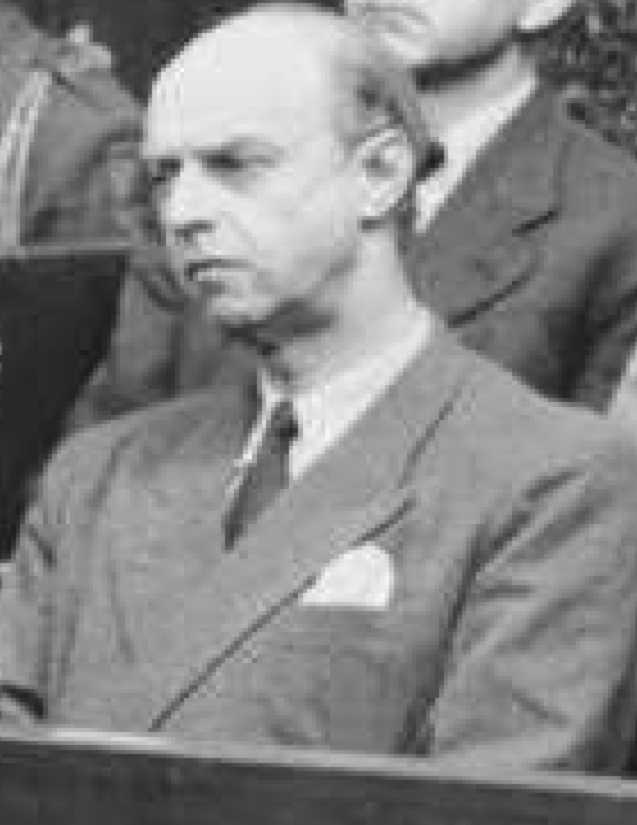
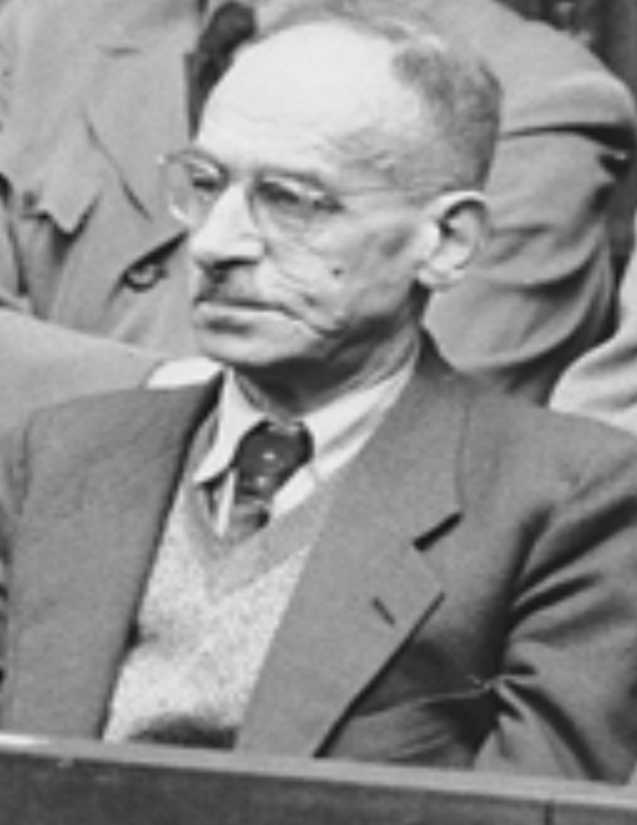
10 Images





Participants and charges
The defendants were members and senior officials of various Reich ministries whose administrative acts affected occupation policy, forced labor, deportations, and wartime collaboration. Prosecutors charged individuals on multiple counts, generally including conspiracy, crimes against peace, war crimes, and crimes against humanity. The trial examined whether bureaucratic acts and policymaking — rather than frontline military conduct — could amount to criminal responsibility under international law.
Tribunal, counsel and personnel
- Tribunal: Military Tribunal IV, Nuremberg.
- Presiding judges: William C. Christianson (presiding), Robert F. Maguire, and Leon W. Powers.
- Chiefs for the prosecution included Telford Taylor with lead prosecuting work by Robert Kempner.
Timeline and disposition
The indictment was filed on November 15, 1947. Hearings began on January 6, 1948, and continued through November 18, 1948, making this the longest of the twelve U.S. subsequent trials in duration. The judges issued an extensive written opinion in April 1949, delivering a detailed judgment after several months of deliberation. Sentences were pronounced on April 13, 1949.
Twenty-one defendants were arraigned. Two were acquitted; the remaining defendants were found guilty on one or more counts and received prison sentences that varied considerably, from relatively short terms (three years, including time already served) to longer terms (up to 25 years).
Significance and legal issues
The Ministries Trial tested how international law could encompass the actions of state administrators and civilian officials. It explored doctrines of collective and individual guilt, the legal weight of orders and regulations, and the distinction between legitimate administrative acts and criminal policies implemented through ordinary government machinery. The proceedings contributed to postwar jurisprudence on crimes against humanity and the responsibilities of non-military officials for policies with criminal consequences.
Historical context and legacy
Conducted amid Allied disagreement about how to try Nazi leaders, the Nuremberg outcomes were part of a larger effort to document and adjudicate wartime atrocities. The Ministries Trial illuminated how ministries such as the Foreign Office, Interior, and others could be implicated in deportations, forced labor, and repressive occupation measures. Although criticisms arose — for instance over the limits of evidence, the breadth of legal theories, and the placement of guilt on career officials — the trial nonetheless reinforced the principle that government service does not absolve responsibility for crimes under international law.
Notable facts and further reading
- Also called the Wilhelmstrasse Trial because many implicated ministries were located on Berlin's Wilhelmstrasse.
- Often cited in discussions about administrative responsibility and transitional justice.
Primary sources and reference links
- Indictment and charges summary
- Nuremberg courtroom and venue information
- Context: World War II aftermath
- Subsequent Nuremberg Trials (general overview)
- History of the German Foreign Office and Wilhelmstrasse
- Roles of Reich ministries during the Nazi period
- Biographical note: Judge William C. Christianson
- Biographical note: Judge Robert F. Maguire
- Biographical note: Judge Leon W. Powers
- Prosecution leaders and documents
The Ministries Trial remains an important example in international criminal law of how legal systems confront the complicity of state institutions and career officials in policies that reach the threshold of international crimes.
Questions and answers
Q: What was the name of the trial?
A: The Ministries Trial, or officially The United States of America vs. Ernst von Weizsäcker, et al.
Q: Who were the judges in this case?
A: The judges in this case were William C. Christianson (presiding judge) from Minnesota, Robert F. Maguire from Oregon, and Leon W. Powers from Iowa.
Q: Who was the Chief of Counsel for the Prosecution?
A: The Chief of Counsel for the Prosecution was Telford Taylor; the chief prosecutor was Robert Kempner.
Q: When did hearings begin and end?
A: Hearings began on January 6th 1948 and ended on November 18th 1948.
Q: How long did it take to compile their judgment?
A: It took five months to compile their 833-page judgment which they presented on April 11th 1949.
Q: When were sentences handed down?
A: Sentences were handed down on April 13th 1949.
Q: How many defendants were arraigned and what happened to them?
A: 21 defendants were arraigned; two were acquitted while others found guilty on at least one count received prison sentences ranging from three years including time served to 25 years' imprisonment
Related articles
Author
AlegsaOnline.com Ministries Trial (Wilhelmstrasse Trial) — Nuremberg Military Tribunal IV Leandro Alegsa
URL: https://en.alegsaonline.com/art/65227
Sources
- commons.wikimedia.org : Ministries trial
- ushmm.org : Description
- ess.uwe.ac.uk : Another description
- annette-wilmes.de : Transcript