
Ascorbic acid (vitamin C): properties, biological role, uses and history
Ascorbic acid (vitamin C) is a water‑soluble antioxidant and essential nutrient. This article covers its chemistry, biological functions, dietary sources, production, uses as a food additive and common safety considerations.
Overview
Ascorbic acid is the common chemical name for one form of vitamin C, a water‑soluble organic acid that occurs as a white to pale yellow crystalline powder. The biologically active form in humans is L‑ascorbic acid; it is often referred to simply as vitamin C. The name derives from a- ("no") and scorbutus, the Latin for scurvy, the deficiency disease prevented by adequate intake.
Image gallery
5 Images


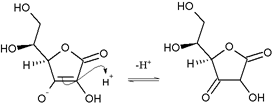
Chemical characteristics
Chemically, ascorbic acid is a six‑carbon lactone related to sugars. It behaves as a reducing agent and antioxidant, readily donating electrons and being oxidized to dehydroascorbic acid. The molecule exists as enantiomers; naturally occurring L‑ascorbic acid is the physiologically active form. It is very soluble in water but sensitive to heat, light, oxygen and alkaline conditions, which accelerate its degradation.
Biological role and deficiency
Ascorbic acid acts as a cofactor for enzymes involved in collagen synthesis and other hydroxylation reactions, and it contributes to iron absorption and immune function. Insufficient intake leads to scurvy, characterized by weakened connective tissue, bleeding gums, poor wound healing and fatigue. Because humans cannot synthesize vitamin C, it must be obtained from the diet or supplements.
Dietary sources, supplementation and uses
Rich dietary sources include citrus fruits, berries, peppers, kiwi and many green vegetables. Cooking and storage can reduce content because the vitamin is water‑soluble and heat‑labile. Ascorbic acid appears in dietary supplements in several forms (pure ascorbic acid, sodium or calcium ascorbate, and as part of multivitamin preparations) and is used to fortify foods. It is commonly employed in the food industry as an antioxidant and preservative (often labeled E300) to protect color, flavor and nutrient value.
Production, history and industrial applications
The compound was isolated and identified in research that linked it to the prevention of scurvy. Early chemical synthesis and large‑scale production methods were developed in the 20th century; modern manufacture uses chemical and fermentation steps to produce the crystalline acid for food and pharmaceutical markets. Beyond nutrition, ascorbic acid is used in cosmetics for topical antioxidant effects and in certain chemical and laboratory applications as a mild reducing agent.
Common uses and notable facts
- Dietary supplement to prevent or treat deficiency.
- Food additive and preservative (antioxidant, E300).
- Topical ingredient in skincare for antioxidant and brightening claims.
- Laboratory reagent and mild reducing agent.
Safety and distinctions: Ascorbic acid and its salt forms (ascorbates) are generally well tolerated; excess intake is excreted in urine but very high doses may cause gastrointestinal upset in some people. The L‑form is biologically active, while the D‑enantiomer is not. Because it oxidizes readily, storage in cool, dark, dry conditions preserves potency.
Questions and answers
Q: What is ascorbic acid?
A: Ascorbic acid is a sugar acid that is also one form of vitamin C.
Q: What is the color of ascorbic acid?
A: Ascorbic acid is white to light-yellow in color.
Q: In what form does ascorbic acid come in?
A: Ascorbic acid comes in the form of crystals or powder.
Q: Is ascorbic acid water-soluble?
A: Yes, ascorbic acid is water-soluble.
Q: What was ascorbic acid historically the first chemical compound to be synthesized and identified as?
A: Ascorbic acid was historically the first chemical compound to be synthesized and identified as vitamin C.
Q: What is the derivation of the name "ascorbic acid"?
A: The name "ascorbic acid" is derived from "a-" (meaning "no") and "scorbutus" (scurvy), the disease caused by a deficiency of vitamin C.
Q: What is scurvy?
A: Scurvy is the disease caused by a deficiency of vitamin C.
Related articles
Author
AlegsaOnline.com Ascorbic acid (vitamin C): properties, biological role, uses and history Leandro Alegsa
URL: https://en.alegsaonline.com/art/6502