
Millbrook, New York (Hudson Valley village)
Millbrook is a small, affluent village in Dutchess County, New York, located in the Hudson Valley about 90 miles north of New York City. It is known for country estates, equestrian life, and local shops.
Overview
Millbrook is a village in the Town of Washington in Dutchess County, in the Hudson Valley of New York State. Situated roughly 90 miles north of New York City, it occupies a rural-suburban niche characterized by rolling landscapes, historic houses and a comparatively small population (1,452 at the 2010 U.S. Census). Millbrook is often described as a quiet, country counterpart to coastal resort areas and is widely regarded as one of the more affluent villages in the state.
Image gallery
4 Images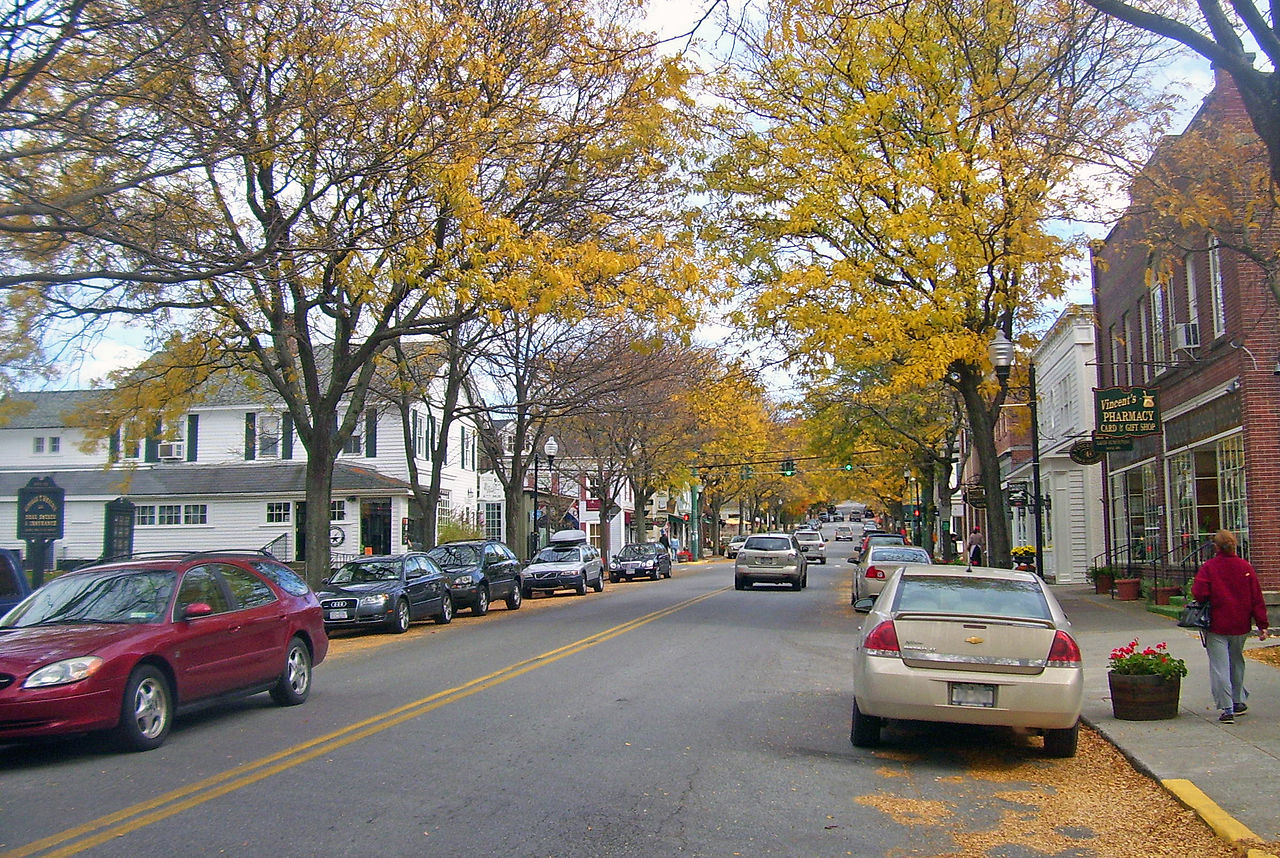


Geography and demographics
The village lies on the east side of the Hudson River valley, within a larger region commonly known as the Hudson Valley. Its location near the center of the Town of Washington gives it a hub function for surrounding rural communities. Millbrook is part of the Poughkeepsie–Newburgh–Middletown metropolitan area and is also included in the broader New York–Newark–Bridgeport combined statistical area, reflecting commuter and economic ties to nearby cities such as Poughkeepsie, Newark and Bridgeport.
History and development
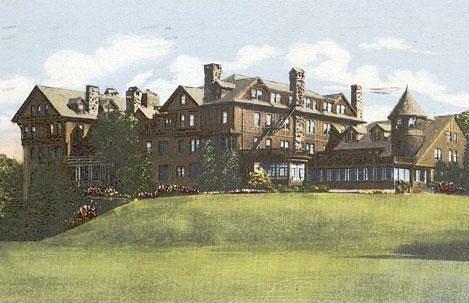
The village grew from small agricultural and milling roots into a residential and cultural center for wealthy families seeking country estates. Over the 19th and 20th centuries, Millbrook acquired a reputation for equestrianism, fox hunting and landscaped properties, which shaped its architecture and land use. Private schools and estate developments in the 20th century reinforced its identity as a residential enclave.
Economy, culture and uses
Local life blends small-town commerce—boutiques, restaurants, galleries—with recreational activities that emphasize the rural setting: horseback riding, hiking and seasonal events. The presence of private educational institutions, cultural organizations and well-preserved historic buildings contributes to a stable local economy centered on services, tourism and residential amenities.
Notable facts and distinctions
- Millbrook is frequently compared to more famous resort areas for its concentration of country estates and leisure amenities.
- Its small population and preserved landscapes make it attractive to those seeking a quieter alternative to urban life.
- It is administratively and economically linked to the wider Hudson Valley and nearby metropolitan areas via regional roadways and commuter patterns.
Related links
Questions and answers
Q: Where is Millbrook located?
A: Millbrook is located in Dutchess County, New York, on the east side of the Hudson River.
Q: How far is Millbrook from New York City?
A: Millbrook is located 90 miles (140 km) north of New York City.
Q: What is the population of Millbrook?
A: According to the 2010 Census, Millbrook's population was 1,452.
Q: What is the Town of Washington?
A: The Town of Washington is the center of Millbrook.
Q: What is Millbrook's economic status?
A: Millbrook is one of the most affluent villages in New York.
Q: What is the area that Millbrook is part of?
A: Millbrook is part of the Poughkeepsie-Newburgh-Middletown Metropolitan Statistical Area as well as the larger New York-Newark-Bridgeport Combined Statistical Area.
Q: How is Millbrook often referred to?
A: Millbrook is often referred to as a low-key version of the Hamptons.
Related articles
Author
AlegsaOnline.com Millbrook, New York (Hudson Valley village) Leandro Alegsa
URL: https://en.alegsaonline.com/art/65013
Sources
- villageofmillbrookny.com : "Village of Millbrook, NY - Official Village Website"