
Mikoyan-Gurevich MiG-25 (Foxbat) high-speed interceptor and reconnaissance aircraft
Soviet-era MiG-25 'Foxbat' is a high-speed, high-altitude interceptor and reconnaissance aircraft by Mikoyan, noted for extreme speed, heat-resistant construction and the 1976 defection that revealed its design.
The MiG-25 (NATO reporting name "Foxbat") is a high-speed, high-altitude interceptor and reconnaissance aircraft developed by the Mikoyan design bureau. First flown in the mid-1960s and introduced into service around 1970, it was built to meet perceived threats from high-flying reconnaissance aircraft and bombers. The design emphasized raw speed and altitude performance, trading weight and complexity for robustness and thermal resistance.
Image gallery
10 Images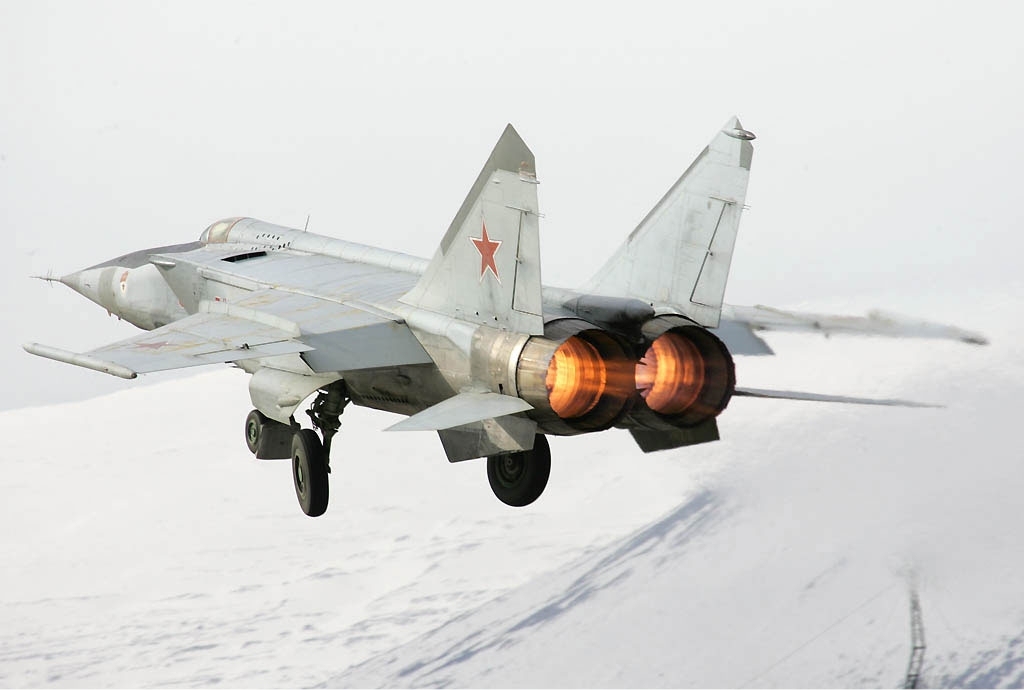





Design and materials
To operate at very high Mach numbers the MiG-25 used large, powerful turbojet engines and an airframe constructed largely from stainless steel and other heat-tolerant materials. This choice reduced problems from aerodynamic heating at extreme speeds but resulted in a heavier airframe than contemporary fighters. The aircraft featured a twin-engine layout, broad air intakes and a simple, rugged structure intended for rapid production and ease of maintenance.
Propulsion and performance
The type was powered by two high-thrust turbojet engines in early production examples, enabling exceptional dash speeds. Publicly reported top speeds reach above Mach 3 in short bursts, though operational limits were set lower to avoid risking engine damage. The MiG-25 was also capable of operating at very high altitudes, making it suitable for intercepting high-flying reconnaissance aircraft and for photographic and electronic intelligence missions.
Avionics and armament
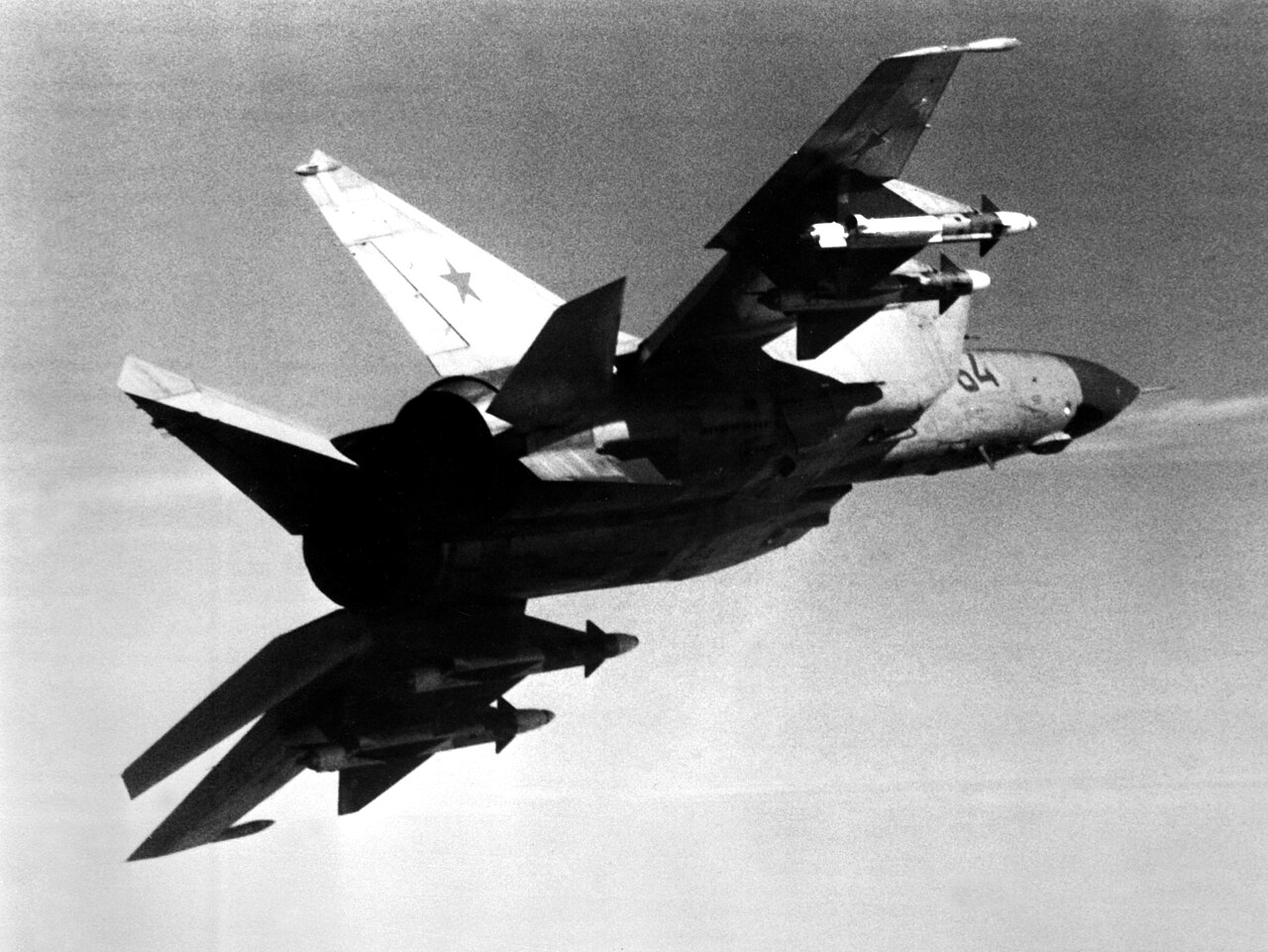
Interceptor variants carried a powerful search radar and long-range air-to-air missiles to engage strategic targets at distance. Typical loadouts allowed for a mix of radar-guided and infrared-guided missiles. Reconnaissance versions replaced armament with camera installations, mapping equipment and signals-collection systems. Avionics were functional and mission-focused rather than designed for extensive multi-role flexibility.
Operational history and the 1976 defection
The MiG-25 entered service with the Soviet Air Forces and was exported to several countries. It gained international attention when a Soviet pilot defected to Japan in 1976, flying a MiG-25 to Hakodate; that incident allowed Western experts to inspect the aircraft closely and revise earlier assessments of its capabilities. Accounts of the event and related technical evaluations remain important parts of Cold War aviation history and are described in technical summaries and historical accounts (Hakodate incident, Soviet aircraft resources).
Variants and roles
- Interceptor versions focused on long-range engagement of high-altitude targets with radar and heavy missiles.
- Reconnaissance versions carried cameras and electronic sensors for strategic surveillance missions.
- Some later adaptations and upgrades improved avionics and extended service life, while others specialized in photographic or electronic intelligence.
Operators and legacy
Beyond the Soviet Union, the MiG-25 served with a number of foreign air forces, notably in Asia, the Middle East and Africa. Over time it was superseded in the high-speed interceptor role by more modern types such as the MiG-31, which incorporated more advanced avionics, longer-term serviceability and enhanced all-weather capabilities. The MiG-25 remains notable for demonstrating the trade-offs involved in achieving extreme speed and altitude—simple, strong construction and powerful engines at the expense of weight, fuel consumption and some operational limits.
Further information
Contemporary descriptions and manufacturer material provide detailed technical and historical context; see general type overviews and manufacturer pages for summaries and production histories (MiG-25 overview, manufacturer, Mikoyan-Gurevich). For historical analyses and archival records consult published studies of Cold War aviation and authoritative compilations on Soviet aircraft. These sources help explain both the capabilities and the limitations that characterized the MiG-25 during its operational career.
Questions and answers
Q: What is the MiG-25 Foxbat?
A: The MiG-25 Foxbat is a fast fighter plane made by Russian airplane company Mikoyan.
Q: What is its primary goal?
A: Its primary goal is to attack enemies at high speed and altitude.
Q: When did it first fly?
A: It first flew in 1964 and was introduced in 1970.
Q: How fast can the MiG-25 go?
A: It can go Mach 3.2 (3.2 times the speed of sound).
Q: What happens if it goes too fast?
A: The engines could be destroyed if the plane is flown this fast.
Q: How many missiles can it carry?
A: It can carry 4 radar guided missiles and 4 heat seeking missiles.
Q: Is it still being used today?
A: It is now being replaced by the MiG-31 Foxhound, but is used a little in other countries.
Related articles
Author
AlegsaOnline.com Mikoyan-Gurevich MiG-25 (Foxbat) high-speed interceptor and reconnaissance aircraft Leandro Alegsa
URL: https://en.alegsaonline.com/art/64897