
Midi-Pyrénées — former region of southern France
Former administrative region of southern France centered on Toulouse; notable for the Pyrenees, varied landscapes, Occitan heritage, aerospace industry and agricultural traditions; now part of Occitanie.
Overview
Midi-Pyrénées was a territorial region in southern France whose name reflected its location and principal mountain range: Midi (meaning "the south") and the Pyrenees. In local speech the region is known in Occitan as Miègjorn-Pirenèus or Mieidia-Pirenèus. It served as an administrative region until the 2016 territorial reorganisation, when it was merged with Languedoc-Roussillon to form the larger region of Occitanie. The historical and cultural identity of the area, however, remains closely tied to the Occitan language and traditions.
Image gallery
10 Images




Geography and landscape
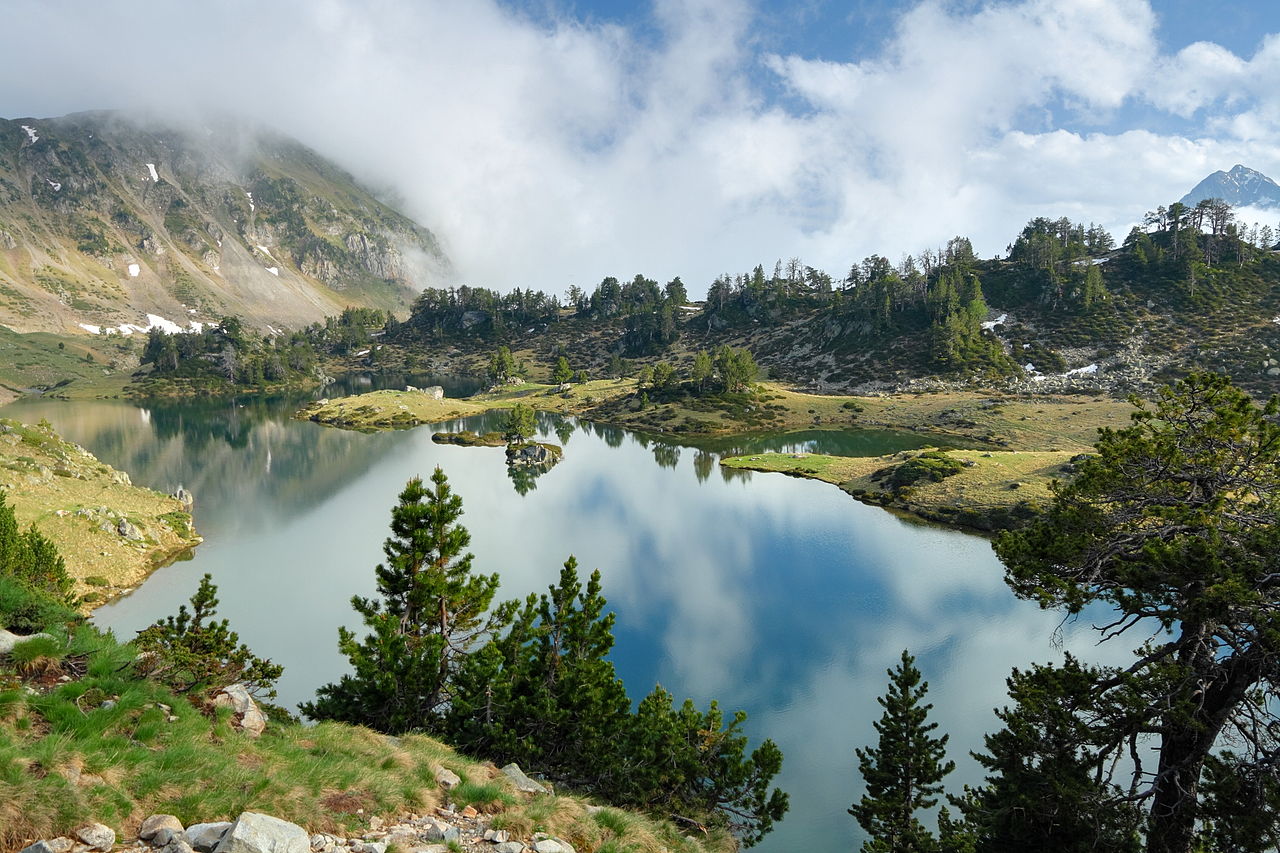
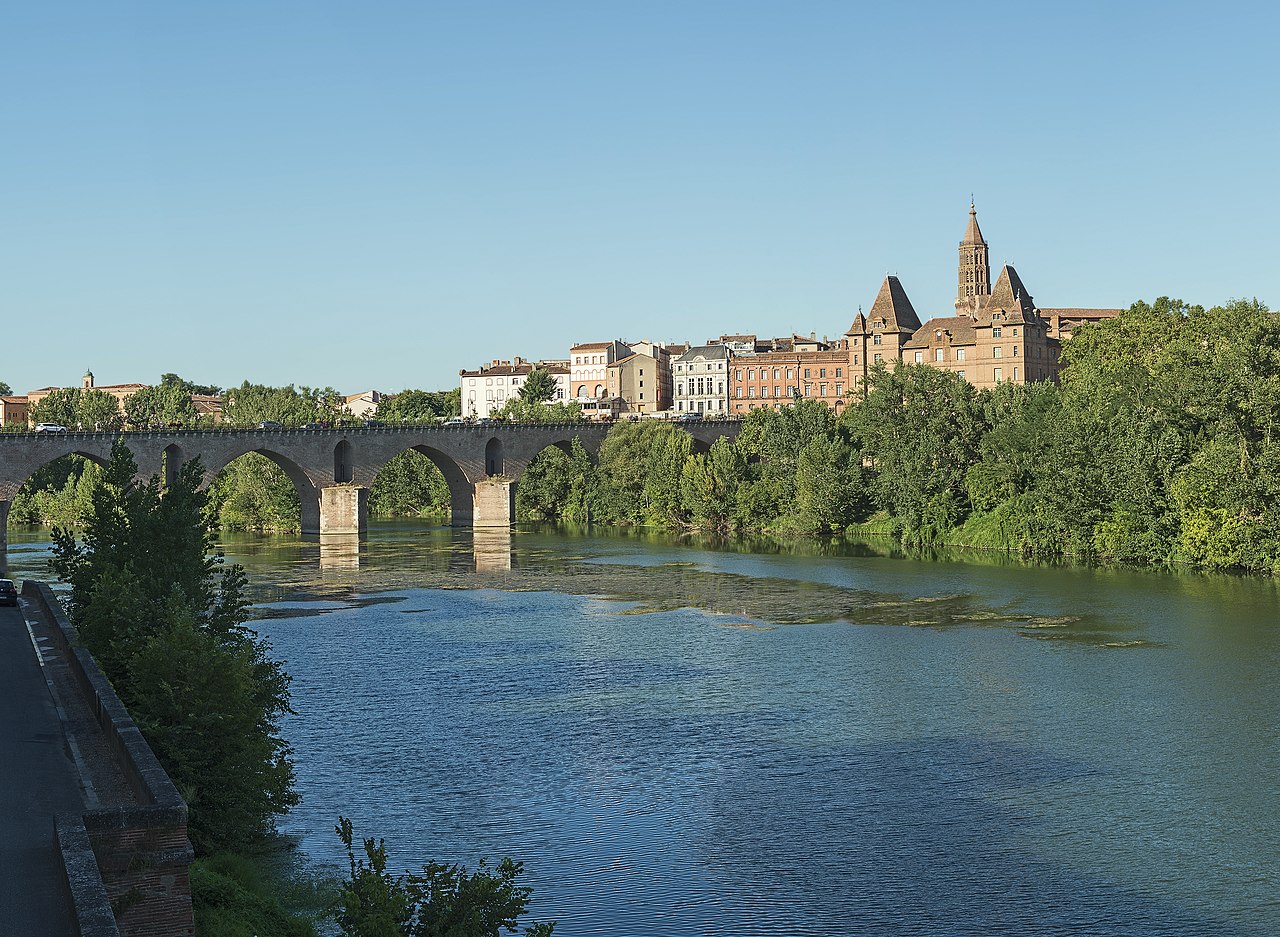
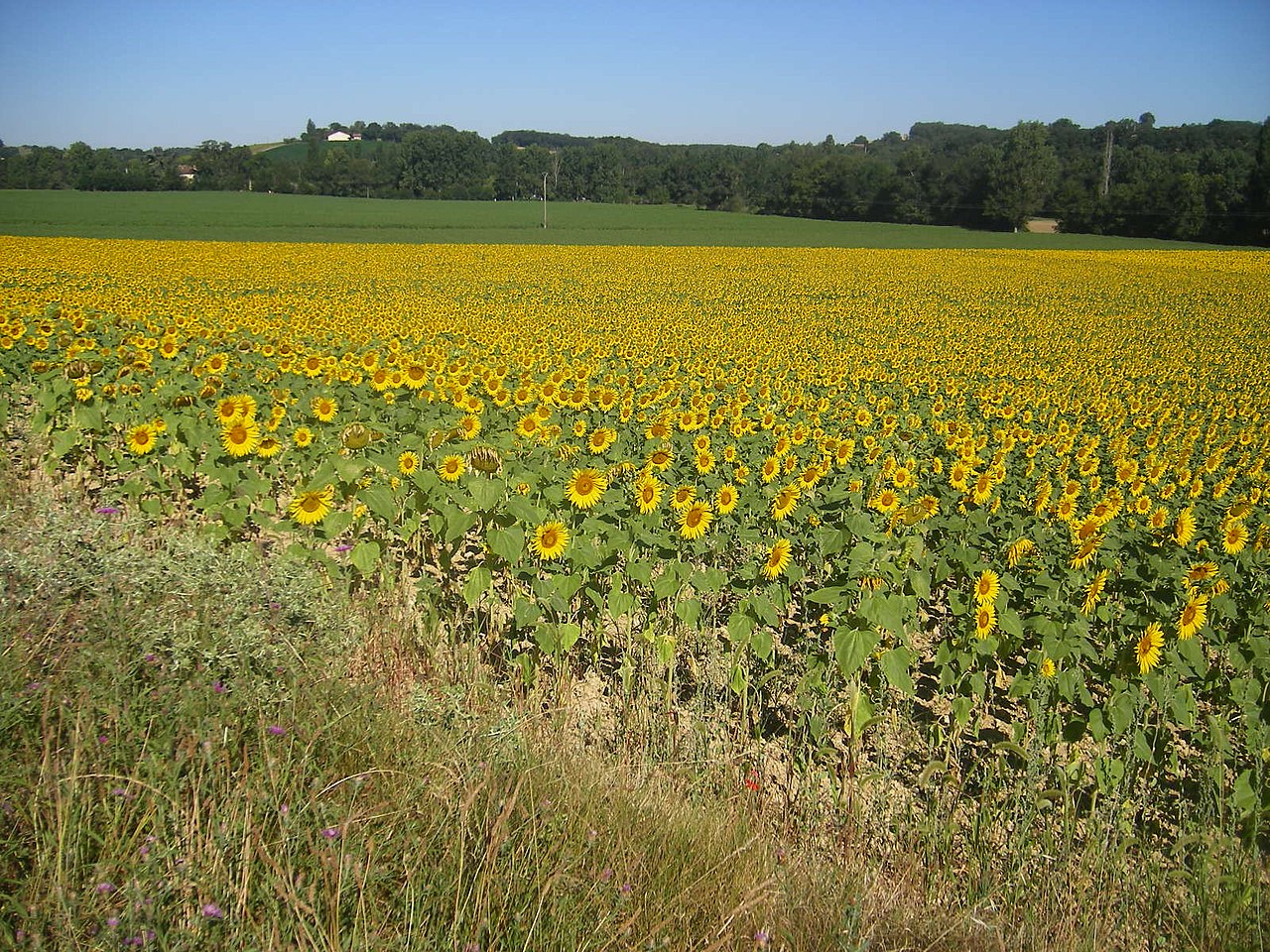
The territory extended from high mountain chains to river valleys and plateaus, a diversity captured by the region's name and geography. The southern border is dominated by the Pyrenees, while fertile lowlands and river plains follow the Garonne and its tributaries. Landscapes include the rugged peaks and ski valleys of the south, limestone plateaus (causses) and deep river gorges in the north, and rolling farmland and vineyards across the central plains. Climate varies from alpine in the mountains to temperate and sunlit in the plains.
Departments and administration
As an administrative region Midi-Pyrénées comprised eight departments, each with its own local councils and prefectures. These were:
- Ariège
- Aveyron
- Haute-Garonne (regional capital: Toulouse)
- Gers
- Lot
- Hautes-Pyrénées
- Tarn
- Tarn-et-Garonne
Economy and culture
Midi-Pyrénées combined traditional rural economies with advanced industry. Agriculture remains important — cereals, maize, livestock, vineyards and regional products such as cheeses and Armagnac-like brandies — while cities and suburbs are centres for manufacturing and services. The city of Toulouse is a major European aerospace hub and the focal point for high-technology research. Cultural life reflects Occitan heritage and the predominance of the French language, with festivals, historic cathar and medieval sites, and strong gastronomic traditions rooted in local produce.
History and identity
Although the name Midi-Pyrénées was a modern administrative construct, the area lies within the wider historical region known as Occitania, where the Occitan language and medieval cultural traditions developed. Over centuries the zone saw Roman settlement, medieval religious and political changes, and modern economic transformation. The 2016 administrative merger did not erase local identities; many towns and communities continue to celebrate regional history and language, and heritage sites attract national and international visitors.
Transport, tourism and notable facts
Transport links are anchored on Toulouse, which combines an international airport, rail connections (including high-speed services) and major road arteries. Tourist attractions range from pilgrimage sites and fortified towns to alpine resorts and natural parks. Notable places include pilgrimage Lourdes in the Hautes-Pyrénées, medieval Albi and Cahors in the Lot, Roquefort-area sheep farming in Aveyron, and rural landscapes of Gers. The region illustrates how mountainous terrain, river corridors and a strong cultural identity have shaped local life and economic patterns.
Questions and answers
Q: What is Midi-Pyrénées?
A: Midi-Pyrénées is a former administrative region of France, which is now part of the administrative region of Occitanie.
Q: Is Midi-Pyrénées part of the historical region of Occitania?
A: Yes, it is part of the historical region of Occitania.
Q: What is the meaning of "Midi" in Midi-Pyrénées?
A: "Midi" means "southern France" in Midi-Pyrénées.
Q: What are the Pyrenees?
A: The Pyrenees are the highest mountains in Midi-Pyrénées.
Q: What is the French adjective and name of the people living in Midi-Pyrénées?
A: The French adjective and name of the people living in Midi-Pyrénées is Midi-Pyrénéen.
Q: What were the departments in Midi-Pyrénées?
A: The departments in Midi-Pyrénées were Ariège, Aveyron, Haute-Garonne, Gers, Lot, Hautes-Pyrénées, Tarn, and Tarn-et-Garonne.
Q: What was the capital of Midi-Pyrénées?
A: The capital of Midi-Pyrénées was Toulouse.
Related articles
Author
AlegsaOnline.com Midi-Pyrénées — former region of southern France Leandro Alegsa
URL: https://en.alegsaonline.com/art/64728
Sources
- insee.fr : "Produits intérieurs bruts régionaux et valeurs ajoutées régionales de 1990 à 2012"
- midipyrenees.fr : "Grands repères"
- peakbagger.com : "Pic Vignemale, France/Spain"
- services.sandre.eaufrance.fr : "La Garonne (O---0000))"
- services.sandre.eaufrance.fr : "L'Adour (Q---0000)"
- insee.fr : "Populations légales 2012 des départements et des collectivités d'outre-mer"
- insee.fr : "Populations légales 2012 des régions"