
Middle Passage: the transatlantic voyage of enslaved Africans
The Middle Passage was the transoceanic leg of the Atlantic slave trade in which millions of Africans were transported to the Americas under brutal conditions. This article summarizes its practice, scale, and legacy.
Overview
The term Middle Passage refers to the central sea voyage in the transatlantic slave trade, when captured and enslaved African people were carried across the Atlantic Ocean to the Americas. It was part of a larger commercial system often called the Atlantic slave trade, linking European markets, African ports of embarkation, and plantation economies in the Caribbean, North America, and South America. The name emphasizes the passage between African and American shores and the distinctive cruelty of that voyage.
Image gallery
10 Images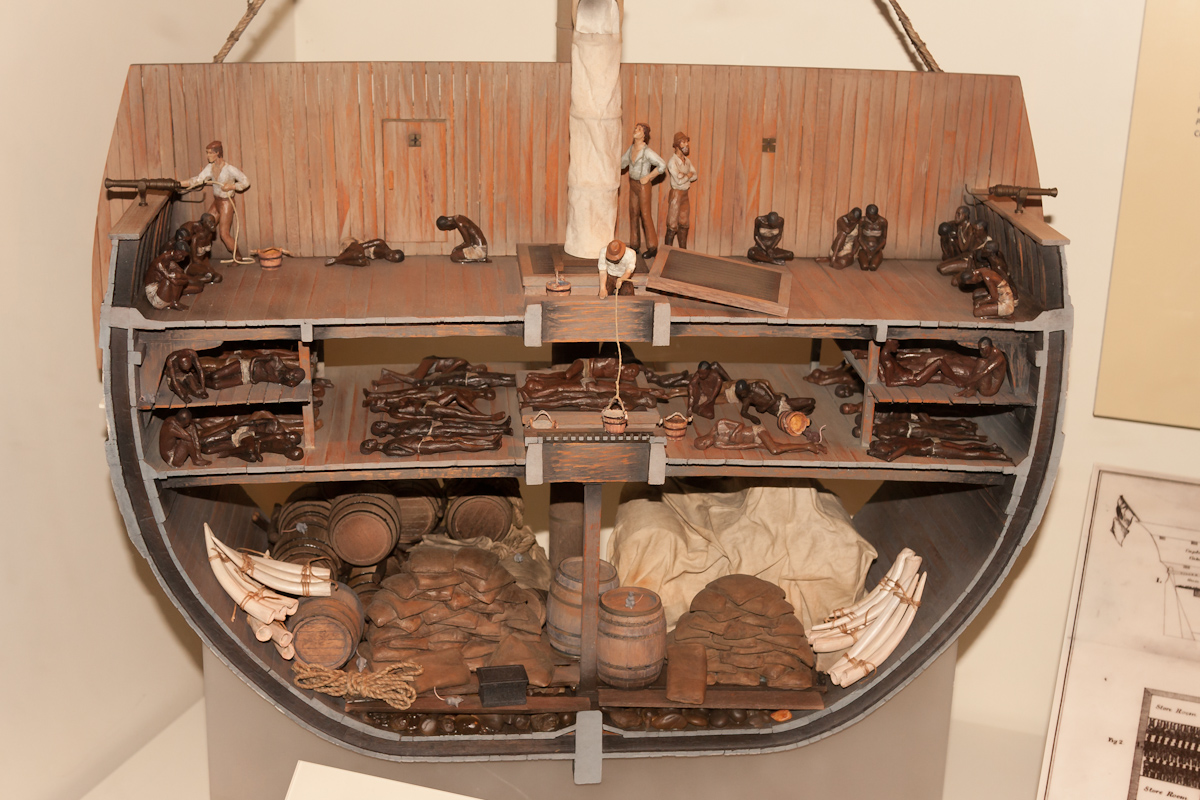






Characteristics of the voyage
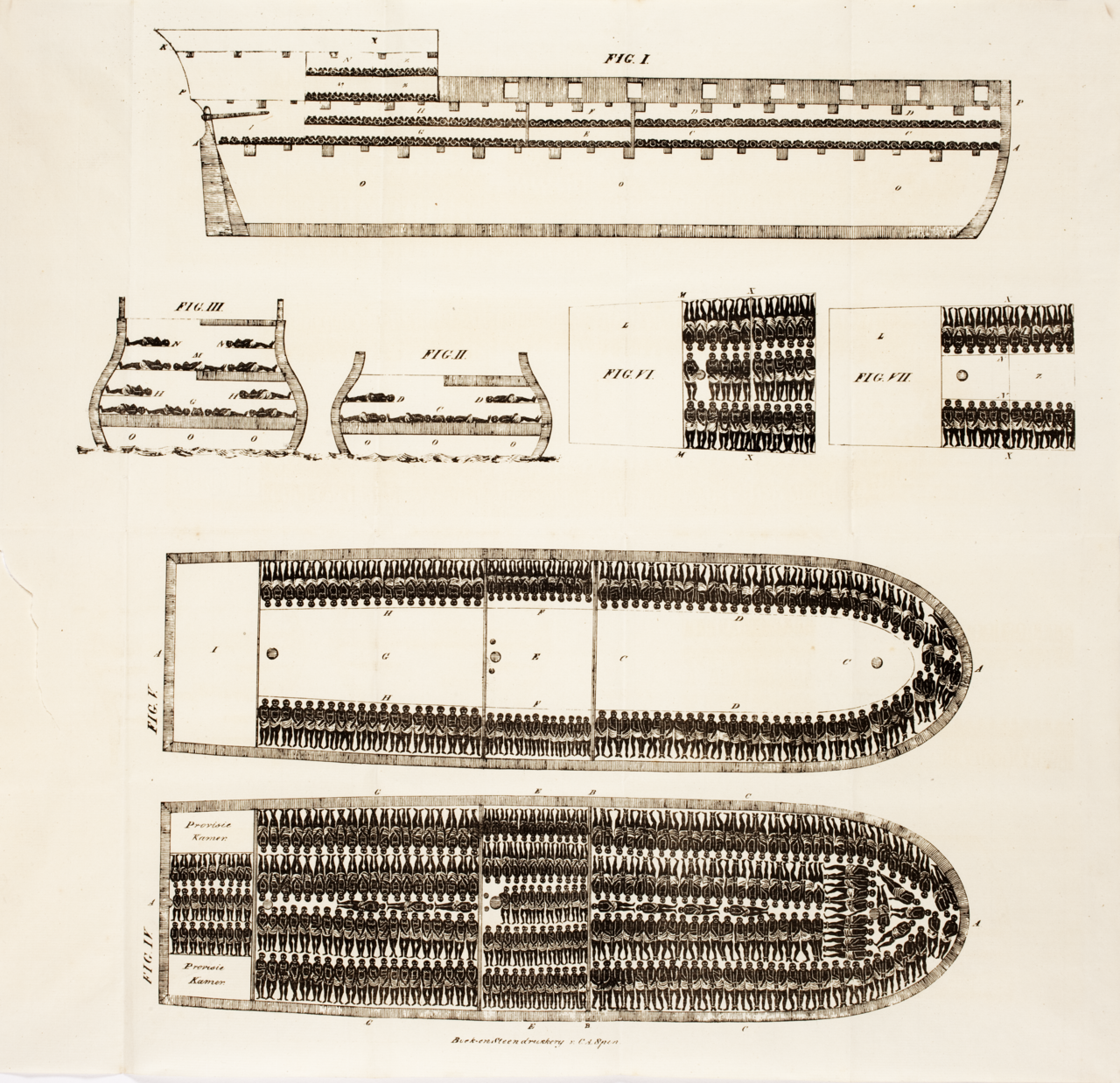
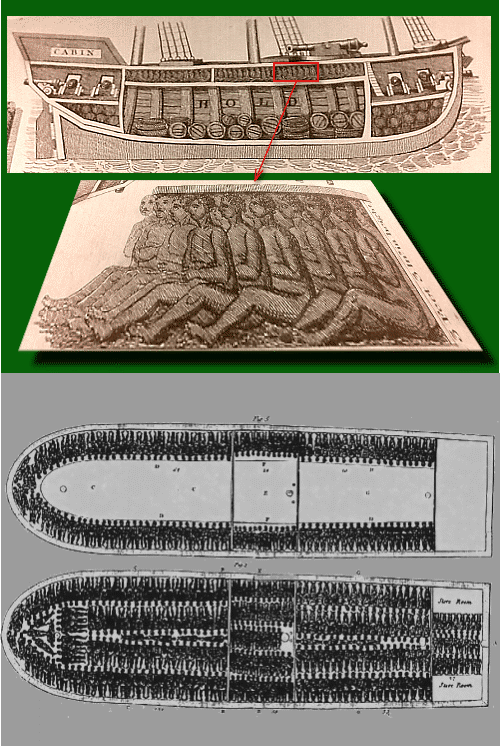
Slave ships—sometimes described as slave ships in historical accounts—varied in size and outfit, but common features included tightly packed holds, chains and shackles, and minimal provisions for long voyages. Captains and owners organized voyages to maximize the number of people carried and the profit returned to European markets. Embarkation often followed local or regional capture by slave traders, who supplied coastal forts and holding pens before loading captives onto ships.
Life and conditions on board
Conditions during the Middle Passage were harsh and dehumanizing. Typical hardships included:
- Severe overcrowding and little room to move.
- Poor ventilation, sanitation, and limited access to clean water.
- High exposure to contagious disease and malnutrition.
- Physical violence, shackling, and punishments; suicide and resistance attempts were frequent.
Many captives resisted through revolt, refusal to eat, or escape attempts. In many instances people were kidnapped or coercively seized on the African coast—acts sometimes described simply as kidnap—long before embarking.
Scale, mortality, and estimates
Scholars estimate that millions of Africans were forced across the Middle Passage between the 16th and 19th centuries. Exact figures vary by study and methodology; commonly cited estimates place the number of people embarked and transported in the range of several million, with somewhere between roughly nine and twelve million arriving in the Americas. Mortality rates during the sea voyage itself are also debated; many historians and researchers estimate that a significant minority—often cited between about 10 and 20 percent on some voyages—died en route from disease, abuse, and starvation. Additional deaths occurred during capture, forced marches to the coast, and in holding facilities. Modern researchers and historians continue to refine these estimates using shipping records, port registers, and archival evidence, as summarized by numerous historians.
Historical impact, abolition, and legacy
The Middle Passage profoundly shaped demographics, economies, and cultures in Africa and the Americas. Enslaved labor underpinned large-scale plantation agriculture and generated wealth for European empires, while the forced migration disrupted African societies. Opposition to the trade and to slavery grew during the 18th and 19th centuries, producing abolition movements, legal bans in different countries, and eventual declines in the trade. The memory of the Middle Passage remains central to discussions of race, human rights, and historical justice. Sites of embarkation, burial grounds, museums, literature, and public memorials commemorate the victims and educate about this history.
Notable distinctions and facts
- The Middle Passage is one leg in a triangular trade system that connected three regions economically and politically.
- Conditions and experiences varied by time, route, ship, and destination; not every voyage had the same mortality or resistance patterns.
- Research continues to refine numbers and narratives; estimates should be understood as approximate and subject to scholarly debate.
Questions and answers
Q: What is the Middle Passage?
A: The Middle Passage was the part of the Atlantic slave trade where African slaves were brought to the Americas on slave ships.
Q: How many African people were shipped to the Americas over the Middle Passage?
A: Millions of African people were shipped to the Americas over the Middle Passage.
Q: What happened to enslaved people during their journey on slave ships?
A: Enslaved people were treated so badly on the slave ships that about 15% of them died during the Middle Passage. Even more were killed before they left Africa, when slave traders were trying to kidnap them and force them onto the slave ships.
Q: How many African people are estimated to have died during this journey?
A: Historians think that up to two million African people died during the Middle Passage.
Q: How many African people survived and arrived in America as slaves?
A: Somewhere between 9.4 million and 12 million African people survived and arrived in America as slaves.
Q: What happened before leaving Africa for those who did not survive?
A: Before leaving Africa, some enslaved individuals were killed by slave traders while being kidnapped and forced onto slave ships.
Related articles
Author
AlegsaOnline.com Middle Passage: the transatlantic voyage of enslaved Africans Leandro Alegsa
URL: https://en.alegsaonline.com/art/64685
Sources
- unesco.org : "Transatlantic Slave Trade"
- washingtonpost.com : "The Ghosts of the Henrietta Marie"
- liverpoolmuseums.org.uk : "Life on board slave ships"
- gresham.ac.uk : The Great Days of Sail: Slavery, Ships and Sickness
- africanhistory.about.com : "The Trans-Atlantic Slave Trade"
- cbsnews.com : "The Slave Ship"